
Why Waylon Jennings' Warning Song Still Bites
A breakup threat dressed as a honky-tonk lecture
The meaning of High Time (You Quit Your Lowdown Ways) Waylon Jennings starts with a simple idea: the singer has reached the end of their patience. This is not a sad plea for love to return. It is a warning. The narrator wakes up worn down, fed up, and ready to change the rules of the relationship.
"High Time (You Quit Your Lowdown Ways)" - Waylon Jennings
As of today there's gonna be some changes made
Well you might as well keep your feet on the ground
Loading lyrics...
Unable to load lyrics
We're unable to display the lyrics at this time. Please try again later.
The opening makes that mood plain with sick and tired
. That phrase does more than describe a bad morning. It tells listeners that this trouble has been building for a while. By the time the song begins, the speaker is already past frustration and moving toward action.
In plain terms, the song is about confronting a partner whose behavior has become humiliating and impossible to ignore. The title phrase, high time
, sounds almost casual, but in context it means the deadline has arrived. The singer is not negotiating anymore.
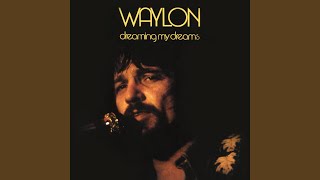
Watch the official High Time (You Quit Your Lowdown Ways)
music video
The heart of the conflict: pride, gossip, and betrayal
A big part of the song's sting comes from public embarrassment. The narrator is not only upset about what the partner may be doing; they are also hearing about it around town. When they mention talk I hear
, the point is that private trouble has turned into community gossip.
That matters in classic country storytelling. In many country songs, cheating or flirting hurts twice: once in the relationship and again in public, where reputation carries real weight. Here, the partner's behavior makes the narrator feel disrespected in front of everyone.
Interpretation: The song is not just about romance gone wrong. It is also about control slipping away. The narrator cannot stop the rumors, but they can draw a line. That is why the chorus lands so hard. The repeated warning becomes a way to reclaim dignity.
How the verses build the case against her
The lyric moves in steps, each verse adding a new reason for the ultimatum.
- First, the singer says they are done feeling drained.
- Next, they point to rumors and restless behavior.
- Then, they suggest this pattern follows the partner everywhere.
- Finally, they use a farm story to explain what happens when freedom goes too far.
One of the sharpest details is the image of the woman as the belle of the ball
. On the surface, that sounds flattering. But the song uses it sarcastically. She is pictured as someone who enjoys attention wherever she goes, and that constant chasing of admiration becomes part of the problem.
The result is a portrait of a partner who is socially magnetic but emotionally unreliable. Whether every rumor is true matters less than the narrator's belief that trust is gone.
The farmyard image is the song's boldest symbol
The most memorable verse reaches back to childhood and country life. The singer remembers a hen that would not stay home, then compares that bird's behavior to the relationship problem at hand.
she wouldn't stay home
clipped her little ol' wings
This is the song's strongest symbolic passage. In paraphrase, the father solves the problem by limiting the hen's ability to roam. The narrator then folds that lesson into the romantic dispute.
Interpretation: This image reveals the song's toughest edge. It suggests that the speaker admires order, loyalty, and boundaries more than freedom. To modern listeners, that can sound controlling, even harsh. But within older honky-tonk and hard-country traditions, this kind of exaggerated comparison often works as blunt comic storytelling as much as a literal threat.
Waylon's style keeps the song from sounding polite
Waylon Jennings was one of country music's defining outlaw voices, known for rejecting polished Nashville formulas and leaning into a rougher, more independent sound, as noted by the Encyclopaedia Britannica. That matters here because a smoother singer might make this lyric sound playful. Waylon makes it sound final.
Even when they sang traditional material, Jennings often carried a sense of resistance in his phrasing. Their voice could turn a simple line into a challenge. In this song, the steady beat, direct melody, and no-frills country backing all serve the message: enough is enough.
The production likely feels sparse to modern ears, but that sparseness helps. There is little to distract from the accusation. Guitar, rhythm section, and vocal delivery push the listener toward the central confrontation. The arrangement acts like a barroom stare-down.
What the chorus really means
The chorus is catchy because it boils the whole dispute into one sentence: quit the behavior or face the consequences. The key phrase lowdown ways
does a lot of work. It does not describe one single act. It bundles flirtation, dishonesty, restlessness, and disrespect into a single moral judgment.
That broad phrase is important because it lets the song operate as both specific story and general warning. Listeners do not need every detail. They understand the emotional shape right away.
Interpretation: The chorus also shows the narrator trying to simplify a messy situation. When relationships become painful, people often reduce the problem to one repeated label. Here, that label is the song's hook.
Why the song still lands today
Part of the lasting appeal of the meaning of High Time (You Quit Your Lowdown Ways) Waylon Jennings is its honesty about anger. Many breakup songs focus on heartbreak or longing. This one focuses on limits. It captures the moment when love stops sounding tender and starts sounding tired.
It also preserves an older country worldview: loyalty matters, public shame hurts, and plain speech beats polite avoidance. Some listeners may hear it as funny, some as severe, and some as a snapshot of gender attitudes from another era. All three reactions are fair.
For context on Jennings' career and recordings, the AllMusic biography is helpful in placing songs like this within his broader hard-country image.
Final takeaway from Waylon's ultimatum
At its core, this song is about a narrator who feels pushed too far and decides to answer embarrassment with an ultimatum. Its language is sharp, its humor is dark, and its country imagery turns private hurt into a public warning.
That is why the song still bites: it does not ask for sympathy first. It demands a change.
Disclaimer: This interpretation is based on the song's lyrics, performance style, and available artist context. Like many country songs, it can support more than one reading.







