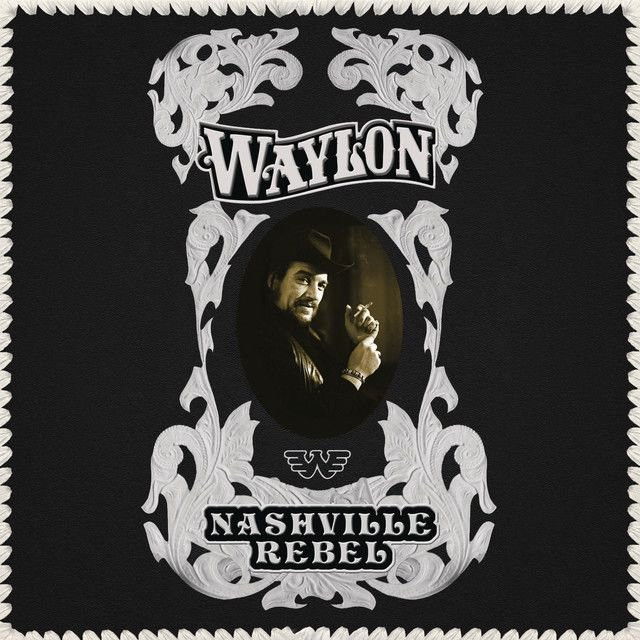
Why “Wrong” by Waylon Jennings Still Hits
The meaning of Wrong Waylon Jennings comes down to a hard lesson: confidence in love can be the very thing that blinds a person to what is really happening. The song tells a simple story, but its emotional power comes from how quickly certainty turns into embarrassment, heartbreak, and self-knowledge.
"Wrong" - Waylon Jennings
We had the whole world at our feet
Everyone thought we were heading
Loading lyrics...
Unable to load lyrics
We're unable to display the lyrics at this time. Please try again later.
Waylon Jennings recorded songs that often sounded tough, plainspoken, and human. That matters here. Instead of dressing up regret in poetic mystery, “Wrong” delivers its point with direct language and a country setup many listeners recognize: a dream relationship, a future that seems secure, and then a sudden collapse.
A Love Story That Opens Like a Fairytale
The first verse builds a polished image of romance. The wedding is presented as ideal, and the couple seems to have life mapped out. Details like the country house and the picket fence point to a classic American picture of stability.
That is the song’s first key move. It does not begin in chaos. It begins in belief. The narrator is not warning anyone at first; they are remembering how convincing the fantasy looked.
This is why the later punch of Wrong
lands so hard. The chorus is not just correcting one bad guess. It wipes out an entire future that once seemed guaranteed.
Watch the official Wrong
music video
The Chorus Turns Optimism Into Irony
At the center of the song is a brutal joke played by memory. The narrator looks back and realizes that every sign they trusted now feels foolish. When the song says I should have known
, it expresses regret, but also a common human habit: rewriting the past after pain arrives.
That line is important because it shows how heartbreak changes perspective. Once the relationship fails, the narrator acts as if the truth was always visible. Interpretation: the song is not really proving they missed obvious warnings. It is showing how people try to make sense of disappointment by imagining they could have prevented it.
The most biting line in the chorus is the idea that if the future looks too bright
, it must be safe. The song clearly means the opposite. It mocks easy certainty. In “Wrong,” optimism itself becomes suspicious because the narrator has been burned by it more than once.
Not One Failed Romance, but a Pattern
What deepens the meaning of Wrong by Waylon Jennings is the second verse. The song does not stop with one broken relationship. After the first heartbreak fades, the narrator finds someone new and promises not to repeat old mistakes.
That detail changes the song from a breakup song into a song about patterns. The problem is not only one partner leaving. The problem is the narrator’s repeated faith that this time they understand love.
When they insist they had it all figured out, listeners can hear the setup for the next fall. The song becomes almost circular. Hope leads to certainty, certainty leads to collapse, and collapse leads to a new version of hope.
A Short Timeline of the Story
- A marriage begins with high expectations.
- The dream future seems socially approved and emotionally secure.
- The relationship ends and leaves the narrator devastated.
- Time passes, and they trust love again.
- That confidence proves
all come true
only in appearance, not reality.
That structure is why the repeated chorus works. Each return to Wrong
sounds less like surprise and more like a verdict on the narrator’s own thinking.
The Symbols Are Familiar on Purpose
The song uses plain country images rather than abstract ones. A wedding, the house in the country, and the picket fence are not random props. They symbolize respectability, permanence, and the dream of a settled life.
Because those images are so familiar, the song can overturn them quickly. It suggests that social signs of success do not guarantee emotional truth. A relationship can look perfect from the outside and still fail.
Interpretation: this may be why the lyric feels relatable across generations. It is not only about romance. It is about any moment when a person confuses a good-looking plan with a good foundation.
How Waylon’s Style Strengthens the Message
Jennings is widely recognized as a central figure in the outlaw country movement, known for a rougher, less polished style than mainstream Nashville. That background helps explain why “Wrong” works best when sung plainly. A smoother delivery might make the song sentimental. Jennings’ style gives it a lived-in honesty.
In country music, this kind of lyric usually benefits from steady rhythm, uncluttered arrangement, and strong emphasis on the chorus hook. Even without an elaborate production concept, the title word does the heavy lifting. Each repetition feels percussive, almost like a gavel coming down.
The song’s credited writers, Steve Seskin and Andre Pessis, are known for clear, story-first songwriting, and that matches the design here. Their focus is not verbal complexity but emotional timing: set the dream, break the dream, repeat the lesson. Jennings’ legacy as an interpreter of direct, sturdy songs makes him a strong fit for that material.
Why the Song Still Connects
Part of the appeal is that the narrator never sounds grand or dramatic. They sound human. They believed what many people want to believe: that love can be read clearly, managed wisely, and secured by good intentions.
The song says otherwise. It argues that people are often most vulnerable when they feel most certain. That is the real emotional sting of sky was always blue
. It captures a mindset where doubt disappears just before reality changes.
The Lasting Takeaway
The meaning of Wrong Waylon Jennings is not simply that love fails. It is that confidence can fail first, and that failure can hurt just as much. The song turns a one-word chorus into a sharp reflection on romance, memory, and self-deception.
For listeners, that is what makes “Wrong” memorable. It is brief, plain, and unsparing about how easily people can mistake a beautiful picture for a lasting truth.
Disclaimer: This interpretation is based on the lyrics, credited writers, and Waylon Jennings’ recording context. As with any song, listeners may hear meanings that differ from this reading.








