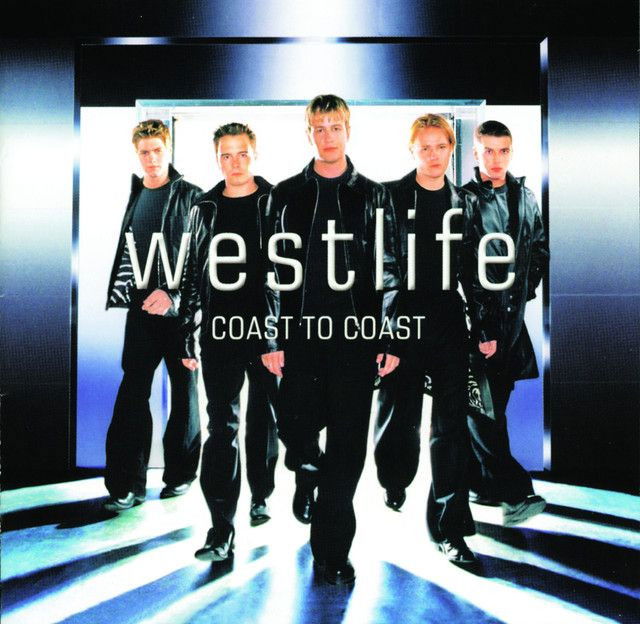
Soledad by Westlife
A single word—Soledad—does the heavy lifting. It means solitude, and it frames a singer speaking to someone who’s gone. The meaning of Soledad Westlife fans most often hear is simple and universal: love lingers after loss, and memory keeps calling. The ballad renders that ache in plain images and a soaring chorus.
"Soledad" - Westlife
In the world you left behind
If only you could heal my heart
Loading lyrics...
Unable to load lyrics
We're unable to display the lyrics at this time. Please try again later.
Heartache Named and Faced
The opening pictures grief as a shared world of hurt, hinting at tears in the world you left
. Right away, the singer accepts that absence can feel bigger than one person. They are not just sad; they are stuck in a space the other person used to fill.
Across the verses, a detail like image of your face
shows how memory intrudes even with eyes closed. That line matters because it turns emotion into something visual and persistent. The song’s power comes from this mix of simple language and precise sensation.

Watch the official Soledad
music video
Who’s Speaking, and to Whom?
The narrator uses first person, addressing a “you” who is no longer present. They confess the pain outright, calling it a loss I can't replace
. This is not a fight or a plea to stay together; it’s a monologue to a void, where the other person cannot answer. Listeners can read that “you” as a partner after a breakup, or as someone who has died. The ambiguity is part of why the song resonates.
A Walk Through Memory: Simple Story Beats
- Scene 1: They describe the shock of separation and the images that won’t fade.
- Scene 2: They retrace old paths—those
streets of Nothingville
—showing how places lose color when love leaves. - Scene 3: They imagine giving anything to rewind time, but the voice inside keeps saying the name.
- Scene 4: They reach for hope, believing love can reconnect what was split.
Each beat moves from raw sorrow toward a fragile sense of faith.
The Chorus as a Cry for Connection
The refrain circles a single question—Why did you leave me
—that never gets an answer. Interpretation: the question is less about facts and more about needing closure. Naming “Soledad” gives loneliness a person-like presence, as if the singer is arguing with the condition itself. The repetition makes the ache feel endless, which is exactly the point.
Symbols and Motifs That Do the Work
- Faces and images: Memory as film that won’t stop playing.
- Streets and towns: Geography emptied by grief; “Nothingville” is a map of absence.
- Time: The belief that time can’t erase what was said or felt.
- Names and calling: Speaking the name becomes a ritual to keep love alive.
These motifs link private pain to shared, recognizable signs. They also keep the language clear and grounded.
How the Sound Deepens the Feeling
“Soledad” is a classic Westlife ballad: gentle piano and strings under layered harmonies, building toward a key change. That arrangement mirrors the lyric arc—from quiet reflection to full-bodied plea. The harmonies let multiple voices carry a single emotion, which amplifies the sense that many people have known this kind of loss.
The melody favors long, held notes on the chorus, stretching time the way grief stretches days. Subtle percussion keeps the song moving, so the mood is sad but not static. It’s polished pop, designed to make the ache singable.
Title, Language, and Cultural Touch
Choosing a Spanish title, Soledad, adds texture. It nudges the song beyond standard English phrasing and gives the emotion a distinct color. The name reads like a character, the way some poems give abstract ideas a face. That stylistic choice is small but memorable.
Alternate Readings That Fit
- Interpretation: Breakup lament. The you is an ex who left suddenly; the narrator clings to words once spoken and hopes for reconciliation.
- Interpretation: Bereavement. The you is gone for good; love becomes a bridge between worlds.
Both readings align with the hopeful line Love will bring us back
. The first holds space for reunion in life; the second treats love as a way to honor and feel close after death.
Context and Credits That Inform the Sound
Released on Westlife’s 2000 album Coast to Coast, the track bears the hallmarks of late–’90s/early–2000s pop ballad craft. Songwriters Andreas Carlsson, Karl Cameron (K.C.) Porter, and Rami Yacoub brought melodic clarity and emotional directness, traits associated with the era’s Scandinavian and Latin-pop-influenced studios. Hearing that lineage helps explain why the song feels both sleek and sincere.
Takeaway Listeners Can Hold
The meaning of Soledad Westlife communicates is that love does not vanish when someone leaves. Memory can be heavy, but it can also be the thread that keeps a person close. The song doesn’t resolve the question “why.” It shows how people live inside it—and still choose hope.
Disclaimer: Song interpretations are subjective; this analysis reflects one informed reading of the music and lyrics.








