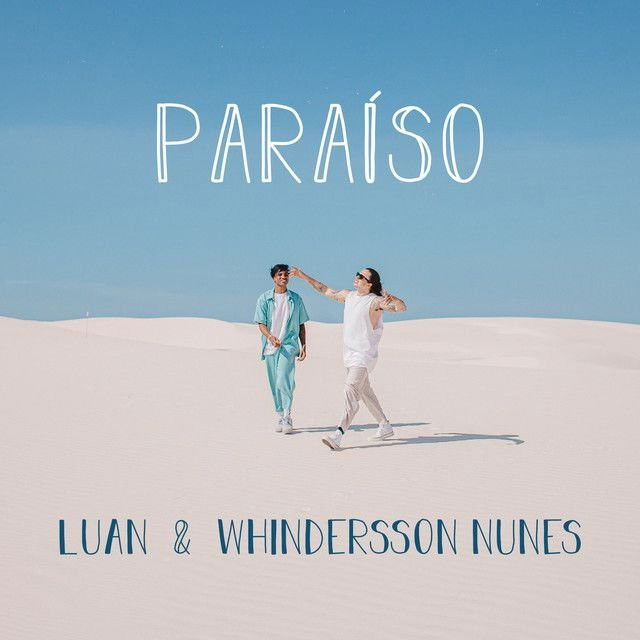
Why 'Paraíso' Feels Like an Escape Plan
The meaning of Paraíso Whindersson Nunes, Luan starts with a simple feeling: everyday life has become too heavy, and being with one specific person feels like the fastest way back to joy. The lyrics do not build a complex plot. Instead, they repeat a craving—for closeness, movement, music, and a night that can briefly suspend normal life.
"Paraíso" - Whindersson Nunes ft. Luan
Voce é a luz que me guia nesse mundão sombrio
Quando você não 'tá presente o quarto fica frio
Loading lyrics...
Unable to load lyrics
We're unable to display the lyrics at this time. Please try again later.
That is why the song lands so easily. It turns romance into relief. “Paradise” is not presented as a far-off heaven. It feels like a shared moment they can reach together before morning.
A Love Song About More Than Love
At the most direct level, the song is about desire. The narrator cannot stop thinking about someone who has become central to their inner life. Early lines describe that person as a guide and source of warmth, using ideas like light and cold to show the difference between presence and absence.
When the lyrics say the room feels cold and the other person is a light, the contrast is clear: this relationship changes the emotional climate. In other words, the beloved is not just attractive. They bring meaning.
Interpretation: This is where the song moves beyond a basic crush track. The speaker does not only want company. They want rescue from numbness.

Watch the official Paraíso
music video
From Burnout to a Night Out
One of the strongest parts of the song is how ordinary its problem is. The narrator admits there is too much to do and too much to solve, but none of that matters tonight. They want to leave the grind behind and go somewhere with this person.
That tension gives the song shape:
- They feel mentally consumed by someone.
- Daily life feels exhausting and repetitive.
- They want to meet, go out, and disconnect.
- That escape begins to feel like
paraíso
.
The line about being tired of merely living captures the emotional center. The song suggests that routine without connection becomes empty. The answer is not grand philosophy. It is intimacy, music, and motion.
What the Chorus Really Means
The chorus sharpens the fantasy. They want to see the other person dance, enjoy the night with them, and go all the way until morning. That image turns romance into experience. This is not about distant admiration; it is about shared time in the body—dancing, staying out, singing, feeling alive.
Short phrases like ver você dançar
and até de manhã
matter because they keep the dream concrete. Paradise is not abstract. It looks like a night with no pressure and no clock.
Interpretation: When the song says there are no rules and no hour to return, it is not arguing against responsibility in a literal sense. It is expressing a temporary freedom from the demands that have made life feel mechanical.
The Key Symbols: Light, Cold, House, Morning
The lyrics use very accessible images, which is part of their charm.
Light and cold
The loved person is linked to brightness, while their absence makes the room feel cold. That is a classic romantic contrast, but it works because it is immediate. Anyone can understand how a person changes a space.
The house invitation
When the narrator wants to go to the other person’s place, the song moves from fantasy to action. Home stands for closeness, privacy, and emotional safety.
Morning as payoff
Getting to paradise até de manhã
suggests a full-night escape. Morning becomes the edge of reality—the point where the dream may end, but not before they have truly lived inside it.
Why “I Want to Sing” Matters
One detail gives the song extra depth: the repeated wish to sing. The narrator does not only want romance. They also want expression. In the middle of stress and routine, singing becomes a sign of freedom.
The phrase eu quero é cantar
reframes the whole track. Love is not just comforting them; it is unlocking a more vivid self. Being with this person seems to make art, pleasure, and release feel possible again.
Interpretation: This can be read as the song’s hidden thesis. Paradise is the state where affection and self-expression meet.
How the Sound Likely Supports the Message
Based on the lyric structure alone, “Paraíso” appears built for repetition, melodic lift, and an easy sing-along hook. The recurring chorus, simple vocabulary, and emphasis on dancing suggest a light pop or pop-leaning romantic production rather than something dense or dark.
That matters for meaning. A song about escaping routine works best when the music itself feels open and immediate. Repetition can mirror obsession, but it also creates comfort. Each return to the hook makes the imagined night feel closer and more real.
The credited writers in the provided context are Whindersson Nunes Batista and Luan Lourenço Neto. Beyond that, publicly verified release and production details are not clearly established from the supplied information, so those points should be treated cautiously.
Two Plausible Readings of “Paraíso”
There are at least two solid ways to hear the song.
Reading one: romantic escape
This is the clearest reading. They miss someone, need to see them, and want one carefree night together. The final repeated need to meet them reinforces urgency and longing.
Reading two: healing through connection
The song can also be heard as a response to emotional fatigue. In that reading, the other person represents more than romance. They represent a path out of detachment, toward pleasure, creativity, and presence.
Both readings fit the lyrics, and the song’s simplicity is what allows both to live side by side.
Why the Song Connects
The meaning of Paraíso Whindersson Nunes, Luan is powerful because it uses plain language for a very common need: they want to stop surviving and start feeling. The beloved becomes warmth, the night becomes freedom, and paradise becomes a moment two people can make together.
That is why the track feels inviting rather than distant. It does not promise a perfect life. It promises a real, human pause from the noise.
Disclaimer: This interpretation is based on the lyrics provided and publicly available writing credits. Meaning in music can be subjective, and listeners may reasonably hear the song differently.







