Why Whitney's Ballad Still Hits So Hard
The meaning of Didn't We Almost Have It All Whitney Houston comes down to one powerful idea: some relationships feel complete even when they do not last. Whitney Houston's 1987 ballad does not just mourn a breakup. It argues that the love mattered, and that memory itself becomes evidence.
"Didn't We Almost Have It All" - Whitney Houston
The night we almost lost it
Once again we can take the night into tomorrow
Loading lyrics...
Unable to load lyrics
We're unable to display the lyrics at this time. Please try again later.
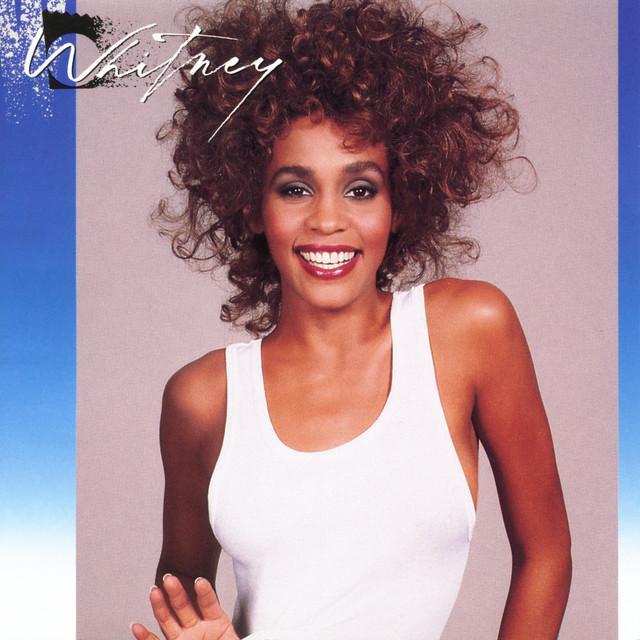
Released as the second single from Whitney in July 1987, the song was written by Michael Masser and Will Jennings, produced by Masser, and vocally arranged by Houston. It became Houston's fifth straight No. 1 on the Billboard Hot 100, a major career milestone documented by Wikipedia. That chart success fits the song's scale: this is heartbreak presented like a grand emotional event.
A Love Song About What Nearly Lasted
At its core, the song looks backward. The speaker remembers a romance that felt real, generous, and life-changing, then asks whether that should count for something even now.
Will Jennings explained the premise clearly, calling it a song about wishing for reunion and making that case by remembering past good times, as cited by Songfacts. That quote matters because it keeps the interpretation grounded: this is not only grief. It is also persuasion.
The title phrase, Didn't we almost have it all
, is both a lament and a challenge. The speaker is not denying loss. They are saying the relationship came close to becoming everything.

Watch the official Didn't We Almost Have It All
music video
The Lyrics Turn Memory Into Proof
Several images show how the song works. Early on, the memory of being held on in the rain
suggests a hard moment survived together. Rain often signals struggle, but here it also points to closeness.
Later, phrases like living on feelings
and a moment in the soul
push the song beyond physical romance. The relationship is remembered as emotional shelter and deep recognition. Even a brief connection can leave a permanent mark.
One short passage captures that mix of nostalgia and longing:
Didn't we have the best of times
When love was young and new?
These lines do not simply ask what happened. They frame the past as vivid, almost sacred. Interpretation: the speaker is trying to rescue the relationship from being reduced to a failure. If the love changed them, then it still has value.
Why the Chorus Feels So Devastating
The chorus is memorable because it holds two opposite truths at once. On one side, there is loss. On the other, there is gratitude.
When the song says worth giving
and calls the emotional journey worth the fall
, it refuses the easy idea that heartbreak cancels meaning. The romance may have ended, but the experience still mattered.
That is why the song remains relatable. Many people do not only grieve the person they lost. They grieve the future that almost happened. This ballad gives that exact feeling a voice.
Sound, Scale, and Whitney's Delivery
Part of the song's meaning comes from its arrangement. According to Wikipedia, it sits in orchestral pop, R&B, and soul, with a slow tempo around 60 BPM. The musicians included Robbie Buchanan on piano and Rhodes, Nathan East on bass, Paul Jackson Jr. on guitar, and John Robinson on drums.
Those details matter because the production moves like memory: slow, steady, and swelling. The piano gives the song intimacy at first, while the fuller arrangement adds grandeur as the emotion grows.
Houston's performance is what turns the composition into something unforgettable. She starts with restraint, then expands into a huge, open-throated climax. Critics did not always agree on the song itself, but many agreed on her vocal force. About.com, quoted on Wikipedia, called it a big emotional production, and even harsher reviews often conceded her power.
Artist Context Makes the Song Even Bigger
By 1987, Houston was already a star, but this single helped define her as a singer who could carry enormous ballads. It was nominated for Song of the Year at the 30th Grammy Awards, according to Wikipedia.
Its live life also shaped its legacy. A 1987 Saratoga performance became the official video version shown on MTV, VH1, and BET, helping listeners connect the song with Houston's dramatic stage command, as noted by Wikipedia.
Interpretation: because Houston sang it with such conviction, the song feels larger than one breakup. It becomes a statement about how love can remain meaningful even after it slips away.
A Final Reading of the Song's Message
So what is the meaning of Didn't We Almost Have It All Whitney Houston? It is a song about near-fulfillment: a love that did not survive, but still felt complete in the moments that mattered.
Its emotional strength comes from refusing cynicism. The speaker does not say the relationship was pointless. They insist it was life-giving, unforgettable, and possibly worth the pain.
That is why the ballad still lands. It understands that almost can hurt like failure, but it can also sound a lot like truth.
Disclaimer: This interpretation is based on the released lyrics, documented writer comments, and the song's musical context. As with most art, listeners may hear meanings that differ from this reading.








