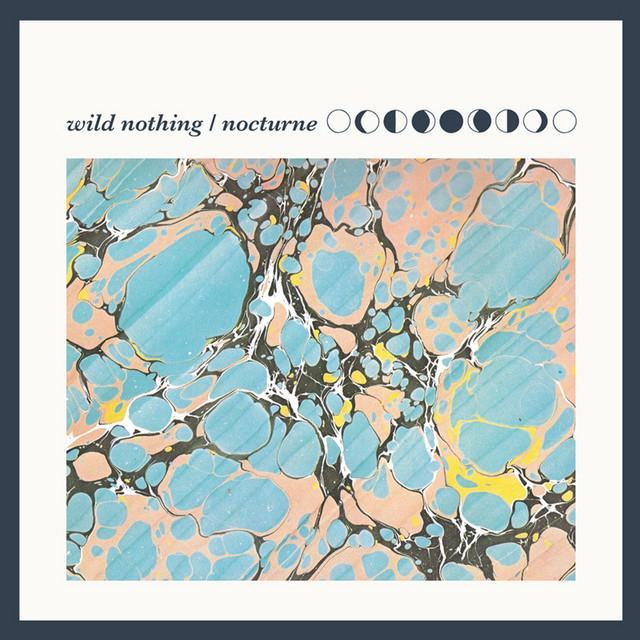
Nocturne by Wild Nothing
Why This Song Feels So Close Yet So Far
The meaning of Nocturne Wild Nothing comes down to a tension between intimacy and mystery. The song sounds like a confession made late at night, but it never becomes fully clear or secure. Instead, Wild Nothing builds a mood where desire, loneliness, and emotional surrender all blur together.
"Nocturne" - Wild Nothing
What's to know
Do I amuse you
Loading lyrics...
Unable to load lyrics
We're unable to display the lyrics at this time. Please try again later.
Factually, “Nocturne” appears on Nocturne, Wild Nothing’s second studio album, released on August 28, 2012, by Captured Tracks. The album was made with producer Nicolas Vernhes at Rare Book Room, a step up in studio scale from the more homemade feel of Gemini.[1][2]
That context matters. The song is not just about romance; it is also about how dream-pop turns uncertainty into beauty.
Watch the official Nocturne
music video
The Core Meaning of “Nocturne”
At its center, the song seems to describe a relationship where one person is deeply drawn to another but cannot fully reach them. The speaker wants connection, yet the other person remains hard to read, emotionally tired, or somehow unavailable.
Early on, the song opens with a challenge: You wanna know me
. Right away, that line undercuts itself. The speaker is being addressed, but instead of opening up, they question whether there is anything real to know. That creates the song’s emotional world: closeness is offered, but self-knowledge still feels slippery.
Interpretation: This suggests that the relationship is built as much on projection as on truth. Each person may be using the other to fill a quiet, nighttime emptiness.
A Speaker Caught Between Want and Weariness
The verses give small clues about both people. The other person seems restless and haunted, with the song asking whether their eyelids ever close
. That image points to insomnia, anxiety, or a mind that never settles.
The speaker, meanwhile, sounds fascinated but also worn down. When they say my tongue's decayed
, the phrase suggests emotional exhaustion. They may want to say something honest, loving, or healing, but the words feel damaged before they come out.
This is one reason the song hits hard. It is not a clean love song. It is a song about being drawn into someone else’s sadness while carrying their own.
How the Chorus Changes the Story
The emotional center is the repeated line you can have me all
. On the surface, it sounds generous and romantic. The speaker gives themselves completely.
But repetition changes its meaning. Because the line comes back again and again, it starts to feel less like joy and more like surrender. The song does not present that surrender as healthy or unhealthy in a direct way. It simply lets the listener hear how absolute it sounds.
Interpretation: The chorus can be read in two ways:
- as a pure statement of devotion
- as a loss of boundaries in a relationship that already feels unstable
That ambiguity is a big part of the song’s power.
Night, Emptiness, and the Dream-Pop Spell
The title “Nocturne” points listeners toward the night. Traditionally, a nocturne is a piece shaped by evening mood, calm, longing, or melancholy. Wild Nothing uses that idea well here.
The song keeps returning to darkness, slowness, and emotional exposure. Even a phrase like when the night is slow
makes the setting feel suspended in time. This is not daytime clarity. It is the hour when thoughts loop and feelings get larger.
Pitchfork’s Ian Cohen argued that Wild Nothing’s music is tied to dream-pop’s sense of yearning and “wish fulfillment,” praising Nocturne for giving those feelings a voice.[2] That description fits this track. Its romance feels real, but also softened by fantasy.
How the Sound Supports the Lyrics
The production helps explain the meaning of Nocturne Wild Nothing just as much as the words do. Compared with Gemini, Nocturne has fuller fidelity and more careful studio detail.[2] Tatum himself said that working with a producer and better equipment did not mean chasing a completely different sound; it meant refining ideas with more support.[1]
On this song, that refinement matters. The arrangement floats instead of pushes. The drums, guitars, and vocal layers create a soft-focus atmosphere where nothing lands too harshly. That makes the emotional uncertainty feel natural, almost seductive.
Rather than sounding dramatic, the song drifts. That drift mirrors the speaker’s state of mind: they know where this person goes, they keep returning, and they still cannot quite break the cycle.
Artist Context Makes the Distance Make Sense
Wild Nothing is the project of Jack Tatum, whose writing often favors mood, longing, and a slight emotional remove over blunt confession.[2] Critics often note that this distance is part of the appeal. It lets the songs feel private without becoming diary entries.
That helps explain why “Nocturne” remains open-ended. The song does not tell listeners exactly what happened in this relationship. It gives fragments: attraction, sadness, repetition, and a willingness to give too much.
That style also matches the album’s reception. Nocturne received generally favorable reviews and holds a 75/100 score on Metacritic, with praise often focused on songwriting and improved production.[3]
A Final Reading of “Nocturne”
The best way to hear “Nocturne” is as a portrait of nighttime devotion that may be beautiful and dangerous at once. It captures the moment when one person sees another’s damage, feels their own, and still says yes.
In that sense, the song is less about a stable romance than about emotional gravity. Two people keep circling each other in the dark, and the music makes that orbit sound gorgeous.
Interpretation disclaimer: This reading is one informed interpretation based on the lyrics, production, and available artist context. Like many dream-pop songs, “Nocturne” leaves room for listeners to hear their own story in it.
Sources
[1] Wikipedia, “Nocturne (Wild Nothing album)”
[2] Pitchfork, Ian Cohen, “Wild Nothing: Nocturne Album Review”
[3] Metacritic data summarized in the album’s reference coverage








