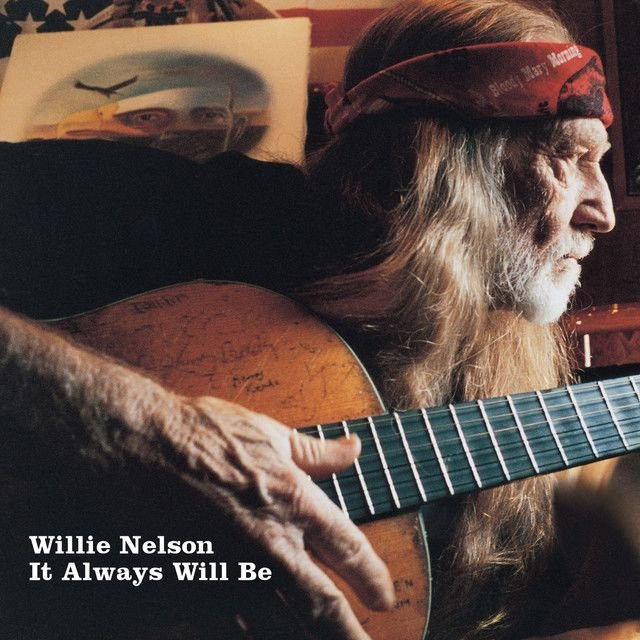
I Didn't Come Here (And I Ain't Leavin') by Willie Nelson
A barroom standoff, a punchline, and a chest-thumping grin—that’s the energy that powers Willie Nelson’s “I Didn’t Come Here (And I Ain’t Leavin’).” For listeners asking about the meaning of I Didn't Come Here (And I Ain't Leavin') Willie Nelson, the heart of the song is simple: a rowdy narrator refuses to be thrown out, turning conflict into comedy.
"I Didn't Come Here (And I Ain't Leavin')" - Willie Nelson
I winked at every pretty girl comin' in and out the door
Yellin', 'Hey bartender, how 'bout two more''
Loading lyrics...
Unable to load lyrics
We're unable to display the lyrics at this time. Please try again later.
A Barroom Stand-Off With a Wink — Core Meaning
At its core, the track is about stubborn joy. The narrator’s been told the party’s over, but they plant their boots and answer with a smile. The chorus distills the message into a two-line dare:
I didn't come here and I ain't leavin' I've been thrown into better places than this
Interpretation: It’s not just drunken bravado. It’s an outlaw-country version of resilience—refusing to let gatekeepers decide when the fun ends.
Watch the official I Didn't Come Here (And I Ain't Leavin')
music video
Who’s Talking, and Who’s Getting Told Off?
The voice is first-person and proudly unruly. In verse one, they order another round—how 'bout two more
—and work the room with mischief. Soon, they admit they’re not quite myself
, a funny way to say the night’s gotten loose.
The target is the bartender or bouncer. When told to scram, the narrator fires back with a taunt—pucker up
—and digs in. Interpretation: The line isn’t only crude humor; it’s also a way of flipping power, making the rule enforcer the butt of the joke.
What Actually Happens — Beat by Beat
- They make a mess of
peanut shells
on a sawdust floor and flirt with everyone walking in. - Drink by drink, they’re “clearing off that shelf,” feeling bolder as the room pushes back.
- The bar tries to end it. The narrator repeats the chorus, doubling down on not leaving.
- They admit the money’s gone and quip,
call me a taxi
. Interpretation: It’s self-aware; the character knows they’re in trouble and leans into the bit.
The repeating hook keeps the stakes comic, not tragic. It’s an anti-hero’s toast, not a cautionary public-service message.
Symbols of the Honky-Tonk, Decoded
- Peanut shells and sawdust: classic honky-tonk scenery—cheap, loud, and friendly to spills.
- The bar shelf: clearing it “bottle by bottle” shows escalation and a mock-epic tone.
- The unpaid tab: a nod to consequences, but played for laughs rather than shame.
- The kiss-off:
pucker up
is a barroom insult, sharpening the swagger of the hook.
Interpretation: These props sketch a working-class playground where rules exist, but the music and the moment can outrank them.
The Sound of Outlaw Humor
Musically, this is bar-band country: a mid-tempo shuffle with twanging guitars, sturdy bass, and crisp drums. Willie sings just behind the beat, letting syllables swing. That relaxed phrasing sells the joke—he sounds unbothered, like he’s telling a story at the end of the bar.
On the album It Always Will Be (2004), producer James Stroud surrounds Willie with A-list Nashville players. Harmonica and pedal steel add sparkle in the corners, while Willie’s nylon-string solos slide in like sly asides. The track clocks around three minutes—short, punchy, and built for a grin and a two-step.
Where It Sits in Nelson’s Catalog
The song appears on It Always Will Be, released on Lost Highway Records in 2004. It’s one of the album’s lighter, rowdier moments—set between introspective cuts and high-profile duets—showing how Nelson balances sentiment with mischief.
It wasn’t written by Nelson. The credit goes to Scotty Emerick and Michael Smotherman, both veteran Nashville writers. That outside-pen meets inside-voice effect is the point: Nelson takes a sharp, barroom lyric and delivers it with weathered charm, making the character feel like an old friend.
Why the Hook Lands Every Time
The chorus turns refusal into identity. Saying “I ain’t leavin’” isn’t just about staying in a bar—it’s a stand against being managed. Interpretation: For longtime fans, it echoes Nelson’s wider outlaw mythos, the sense that he’ll do things his way, at his pace, no matter who’s checking the clock.
Alternate Readings Worth Considering
- Interpretation: A comic mask over midlife grit. The speaker could be an aging rebel fending off irrelevance—still here, still loud.
- Interpretation: A touring-warrior joke. Swap the bar for the stage, and the line becomes a vow to keep playing until the house lights come on.
Both readings fit because the performance is playful, not bitter. The joke keeps the door open to bigger truths.
Final Takeaway for Listeners
The meaning of I Didn't Come Here (And I Ain't Leavin') Willie Nelson comes down to this: joy is worth defending, and a little cheek can outlast a scolding. It’s a honky-tonk snapshot that doubles as a life stance—stand your ground, laugh while you do it, and let the band play one more.
Disclaimer: Song meanings are subjective. This article offers one informed interpretation based on the recording, credited writers, and album context.