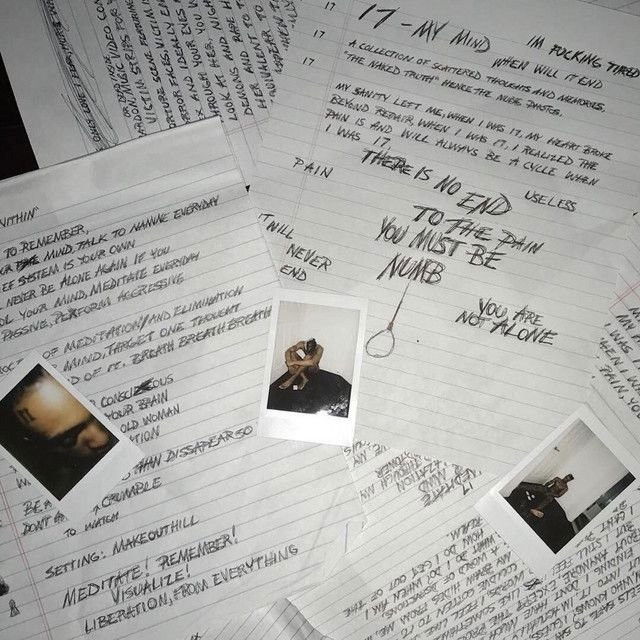
The Meaning of ‘Revenge’ by XXXTentacion
They call it “Revenge,” but the song is really about grief and guilt. Listeners searching for the meaning of Revenge XXXTENTACION will find a narrator who weighs revenge fantasies against the reality of heartbreak and self-blame.
"Revenge" - XXXTENTACION
Found a way to forgive myself
From mistakes I made in the past
Loading lyrics...
Unable to load lyrics
We're unable to display the lyrics at this time. Please try again later.
I’ve dug two graves for us, my dear
If I could act on my revenge, would I?
Grief Wearing the Mask of Payback
The opening confession frames the song as self-forgiveness after past mistakes. Then the imagery turns dark: graves, bones, and rot. Those symbols point to emotional death rather than action. When they sing about two graves
, it suggests that striking back would destroy both people.
Interpretation: “Revenge” isn’t a plan—it’s a lens. The narrator sees pain everywhere and wonders if retaliation would help. The refrain questions that impulse, pulling them back to regret. That tug-of-war is the heart of the track.
Watch the official Revenge
music video
Who’s Speaking, and How Close They Feel
The voice is first-person and confessional, almost whispered. They tell someone they can’t let it go
, and that fixation feeds the revenge fantasy. But the same voice admits fault and fear, which softens the threat.
Lines about broken hearts break bones
make heartbreak feel physical. The narrator connects emotional damage to real-world harm, then refuses relief, saying they’ll stay in my grave, I’ll rot
. Interpretation: the “grave” is a depressive mindset—punishment they choose for themselves.
From Tribute to Mission
Fact: The track was written and produced by Jahseh D. Onfroy (XXXTentacion) and released May 18, 2017 as the lead single from his debut album 17, through Bad Vibes Forever and Empire. It was first previewed in early May 2017, then retitled and dedicated to Jocelyn Flores after her death. The SoundCloud description also referenced his friend Garette and a vow to “have [his] revenge upon the world.”
This context matters. Interpretation: “revenge upon the world” reads less like violence and more like a promise to turn private pain into public testimony. By carrying friends’ names and grief into the music, he finds purpose inside loss.
What the Chorus Really Says
The hook frames revenge as a hypothetical, not a conclusion. The rhetorical question pulls back from action and lands on consequences. The repeated imagery of graves suggests that acting on revenge would be mutually destructive—hence two graves
.
Symbols and Motifs You Can’t Shake
- Graves: finality, self-burial, and the cost of payback.
- Bones: fragility made visible—
broken hearts break bones
connects emotion to injury. - Rot: stagnation and chosen suffering—
in my grave, I’ll rot
signals resignation. - The world: a broader target for anger; grief expands beyond one person.
- Moral erosion:
some kill, some steal
sketches a fallen landscape that tempts the narrator to join it.
Interpretation: These images replace specific plot with universal feeling. Even if listeners don’t know the backstory, they recognize the weight of remorse and the fantasy of striking back.
How the Sound Carries the Weight
“Revenge” blends alternative rock and folk-pop textures: spare acoustic guitar, a lo-fi sheen, and soft, close-mic vocals. At just two minutes, it moves like a diary entry—short, unvarnished, and unresolved. The restrained singing keeps the focus on words and mood rather than spectacle.
Interpretation: The minimal production functions like negative space; it lets the stark symbols ring out. Because the arrangement never explodes, the threat of revenge stays imagined. The sadness leads.
Where Reality and Fantasy Meet
The bridge chants are key. The question is my pain your freedom?
flips the narrative: if the other person feels free while the narrator suffers, revenge would only trap the narrator further. That line reframes power as emotional release rather than payback.
Interpretation: The song argues, quietly, that forgiveness begins with refusing to be owned by anger. The narrator can’t get there yet, but they know revenge won’t do it.
Alternate Readings That Still Fit
- Romantic heartbreak: A breakup triggers the imagery; the graves mark the end of “us.”
- Self-directed anger: The enemy is the narrator’s own mistakes, not another person.
- Collective grief: After losing friends, “the world” becomes the object of blame.
Each reading keeps the same arc: temptation toward revenge, a step back, and a descent into sorrow.
Takeaway
For anyone asking about the meaning of Revenge XXXTENTACION, the answer sits between confession and caution. It’s a song about wanting payback but realizing the real battle is inside—grief, guilt, and the hard work of letting go.
Disclaimer: Lyric interpretations are subjective and reflect one informed reading, not definitive author intent.








