Why "Leave It" by Yes Still Feels So Modern
The meaning of Leave It Yes becomes clearer the more they sit with its tension. On the surface, it is a sleek 1980s rock song with a huge hook. Under that surface, it sounds like a song about pressure, confusion, and the hard choice to stop holding on.
"Leave It" - Yes
No illusions as we take
Refuge in young man's pleasure
Loading lyrics...
Unable to load lyrics
We're unable to display the lyrics at this time. Please try again later.
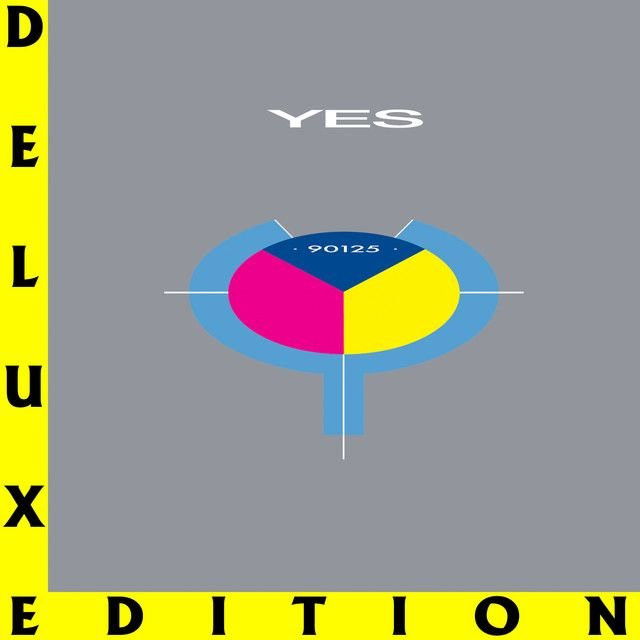
Released on 90125, the track arrived during a major reset for Yes, a band that had shifted from their 1970s progressive style into a sharper pop-rock sound. The song is credited to Chris Squire, Trevor Horn, and Trevor Rabin, and it became one of the album’s standout singles. Those facts matter because the song itself feels like reinvention: controlled, modern, and built on the idea of moving forward.
The Core Message Hiding in Plain Sound
At the center of the song is a repeated command: leave it
. In plain terms, that phrase suggests letting go. It may mean leaving behind a bad relationship, an unhealthy obsession, or the emotional mess that keeps someone stuck.
Interpretation: The song does not name one single problem because it wants the feeling to stay broad. That lets the listener apply it to many situations. The title phrase works like advice someone gives when things become too tangled to fix.
The opening lines add to that stress. When the singer says no sense of measure
, they seem to describe imbalance. Life no longer feels stable or easy to judge. Then the song moves into pleasure, dreams, travel, and disappearance, all in quick flashes, as if the speaker is trying to make sense of a life that is moving too fast.

Watch the official Leave It
music video
Fragments of a Story, Not a Straight Plot
One reason the meaning of Leave It Yes keeps listeners talking is that the lyrics are fragmented. Instead of telling one clean story, they give snapshots.
The road, the crowd, the missing person
The line one down, one to go
feels like counting through a routine. Paired with another town and another show, it hints at touring life. There is motion, repetition, and emotional numbness.
Then comes a striking detail: someone is present one moment and gone the next. The lyric about how she never came back
introduces loss without explaining it. That missing explanation is important. The song is less interested in facts than in the emotional aftershock.
Distance makes everything feel unreal
Later, the song says No phone can take your place
. That short phrase sharpens the emotional core. Technology can bridge distance, but it cannot replace real presence.
Interpretation: This could point to a romantic separation, but it also fits a larger theme of modern disconnection. Even in a busy, connected world, the speaker feels alone.
What the Chorus Changes
The chorus is not detailed, but that is exactly why it works. After the verses pile up pressure and uncertainty, the hook cuts through all of it. It does not solve the mystery; it gives a response.
That response becomes even clearer in the contrasting phrases about saying goodbye to what is bad and hello to something better. The song never gets overly poetic there. Instead, it sounds like emotional triage: reject what harms, move toward what heals.
Goodbye goodbye goodbye bad
Hello hello heaven
Those lines are simple, almost chant-like. Their power comes from repetition. They turn emotional confusion into a blunt act of choice.
Sound as Meaning: Why the Track Feels So Bold
The song’s production does a huge amount of interpretive work. 90125 marked a new era for Yes, and Trevor Horn’s studio style helped define that shift. Rather than leaning on long-form prog structures, the band built a tighter, radio-ready track with layered voices, punchy rhythm, and a glossy finish.
The vocal arrangement is especially important. The stacked harmonies make the song feel both human and machine-like at once. That tension fits the lyric content: warm emotion trapped inside a highly controlled system.
The beat also matters. It keeps pushing ahead even when the lyrics seem disoriented. That creates a useful contrast. The words suggest imbalance, but the music sounds disciplined. Together, they imply resilience: even if the speaker feels overwhelmed, the song itself refuses to fall apart.
Two Strong Ways to Read the Song
There is more than one reasonable way to hear this track.
Interpretation 1: A breakup and the need to let go
This is the most direct reading. The vanished person, the distance, and the repeated title all point toward emotional separation. In this reading, the song is about refusing to stay trapped in grief or longing.
Interpretation 2: A portrait of modern life in motion
Another reading sees the song as a snapshot of touring, fame, and urban speed. The references to towns, shows, and public spaces suggest constant movement. Here, leave it
means abandoning illusion and surviving a world that never slows down.
Both readings can be true at once. The song’s strength is that it turns private pain into a wider statement about life under pressure.
Why the Song Still Connects
Part of the lasting appeal of the meaning of Leave It Yes is that it never overexplains itself. They leave room for the listener. The song captures a familiar modern feeling: too much movement, too many signals, not enough clarity.
Yet it does not end in despair. Its central gesture is release. Stop chasing the missing answer. Stop clinging to what already slipped away. Leave it.
Final Thought
“Leave It” endures because it sounds polished but feels unsettled. That mix gives the song its emotional charge. It is danceable, catchy, and a little anxious all at once.
That is why the track still feels fresh: it understands that sometimes the only way through confusion is not explanation, but decision.
Disclaimer: This article offers interpretation based on the lyrics, musical context, and known credits. Song meaning can remain open, and listeners may hear it differently.








