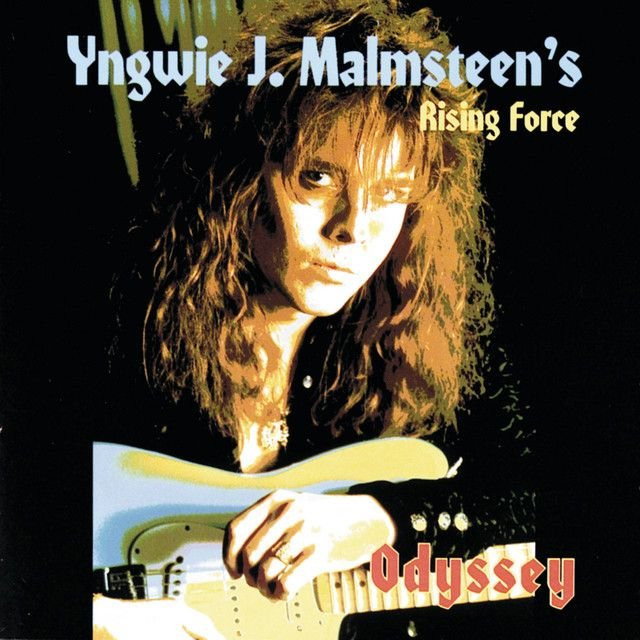
Rising Force by Yngwie Malmsteen
A Storm Song About Inner Power
The meaning of Rising Force Yngwie Malmsteen centers on awakening. The song turns thunder, fire, Heaven, and Hell into signs of a person changing from within. Rather than telling a detailed story with characters, it presents a dramatic inner experience. The singer feels called, tested, and then transformed by a force that seems bigger than ordinary life.
"Rising Force" - Yngwie Malmsteen
Riding the wings of a song
The fury is screaming and Heaven is falling
Loading lyrics...
Unable to load lyrics
We're unable to display the lyrics at this time. Please try again later.
At its core, the track is about power discovered in darkness. The opening image, with voices calling out of the darkness
, suggests a moment when inspiration or destiny arrives suddenly. The song does not sound calm or reflective. It sounds urgent, almost mythic, as if change is crashing down like a storm.
Interpretation: They can hear this as a song about artistic breakthrough, personal rebirth, or even spiritual struggle. The lyrics support all three readings because they mix emotional language with fantasy-like images.

Watch the official Rising Force
music video
How the Lyrics Build a Transformation Arc
The verses move in a clear pattern. First, something unseen calls to the speaker. Next, nature explodes around them with lightning and thunder. Then the singer looks inward and decides to take control. By the end, the force is no longer outside them. It is now part of them.
That is why the repeated storm images matter. When the song describes lightning strikes
and the heart of the dark
, it is not just painting a heavy metal scene. It is showing the shock of becoming someone new. The speaker even admits they are not the same anymore
, which is the song’s clearest statement of change.
This gives the chorus-like refrain real weight. A “rising force” is not just noise or aggression. It is the feeling of hidden strength moving upward until it cannot be ignored.
Heaven, Hell, and the Language of Struggle
One of the most striking parts of the lyric is how it pulls from both sacred and infernal imagery. The speaker moves symbolically between Heaven and Hell, suggesting a battle that includes temptation, suffering, glory, and willpower. In simple terms, the song says that growth is not gentle. It can feel dangerous and overwhelming.
From the gates of Heaven
to the altars of Hell
The power is at my command.
This brief passage captures the song’s dramatic worldview. The speaker stands between extremes and claims agency. They are no longer a passive observer of the storm. They are starting to direct it.
Interpretation: This can be read as self-mastery. The references to Heaven and Hell do not have to be strictly religious. They may represent opposite emotional states: hope and fear, purity and temptation, discipline and chaos.
Why the Song Feels So Triumphant
The final verse turns pain into victory. The speaker is burned by the glory
, but that burning does not destroy them. It purifies them. Then the song says the force shines and rises higher, leaving demons behind. That idea makes the ending feel less like a battle cry and more like a release.
This matters because many metal songs celebrate force for its own sake. “Rising Force” is a little different. Its power has direction. It climbs. It sheds fear. It leaves darkness, even though darkness was the place where the awakening began.
In that sense, the song is not only about intensity. It is about transcendence through intensity. The speaker does not escape struggle by avoiding it. They pass through it.
Yngwie Context: Virtuosity as Meaning
Artist context helps explain why this song feels so grand. Yngwie Malmsteen became famous for blending hard rock and heavy metal with classical-style technique, especially on the debut album Rising Force. His fast runs, dramatic phrasing, and neo-classical style made him sound less like a bar-band guitarist and more like a musical storm.
That matters for meaning. Even though this version of “Rising Force” has lyrics by Joe Lynn Turner and Yngwie Malmsteen, the title itself already carries Yngwie’s artistic identity. “Rising Force” was not just a song name. It became part of his larger brand and mythos, tied to speed, precision, and ambition.
Factual context: Malmsteen’s style is widely described as neo-classical metal, shaped by composers such as Paganini and Bach, as noted by the Rock & Roll Hall of Fame in its broader discussion of his later bandmates and scene connections. That classical influence helps explain the song’s epic, almost operatic language.
How the Music Carries the Message
The production sells the meaning as much as the lyrics do. The guitars move with speed and control, giving the “rising force” a sonic form. Fast picking and bright, cutting leads create the feeling of energy pushing upward. The drums and rhythm section keep everything driving forward instead of drifting into atmosphere.
Joe Lynn Turner’s vocal style also matters. He sings with authority, not confusion. Even when the words describe chaos, the performance sounds confident. That contrast is important: the song is about entering the storm and coming out stronger, so the voice cannot sound defeated.
In musical terms, the track feels like a victory already underway. The arrangement does not merely describe power; it performs it.
The Best Way to Read the Song Today
For many listeners, the meaning of Rising Force Yngwie Malmsteen is simple but effective: hidden strength wakes up under pressure. The song turns that idea into fantasy-scale imagery so it feels larger than one person’s problems. That is why it still works. Its message is basic enough to connect, but dramatic enough to feel unforgettable.
A listener can hear it as a song about finding courage, claiming artistic identity, or surviving inner conflict. All of those readings fit the text. The central point stays the same: real change feels violent before it feels liberating.
Final Take
“Rising Force” presents transformation as a storm that becomes a source of control. Its lightning, sacred fire, and dark-night imagery all point toward one message: power is discovered when fear is faced directly.
That reading is an interpretation, not a confirmed statement from the artists. But based on the lyrics, performance, and Yngwie Malmsteen’s larger musical style, it is a strong and useful one.







