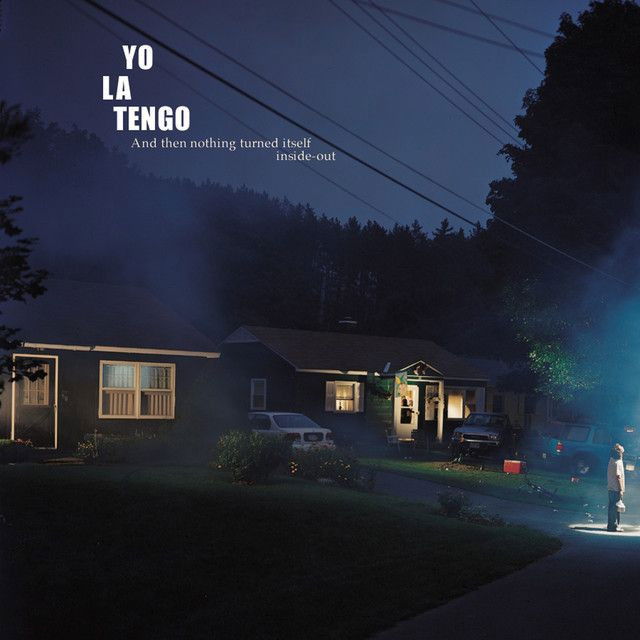
Madeline by Yo La Tengo
A Portrait Drawn in Longing
The meaning of Madeline Yo La Tengo centers on absence. The song sounds gentle, but its emotions are uneasy. It describes a person who feels vivid in memory and hard to hold in real life. Madeline is seen in flashes: a face, a voice, a photo, a doorway. She is close enough to picture, but never fully present.
"Madeline" - Yo La Tengo
With the voice as soft as satin
Madeline, you'll surely find
Loading lyrics...
Unable to load lyrics
We're unable to display the lyrics at this time. Please try again later.
That tension gives the song its power. The narrator does not describe a stable relationship. Instead, they circle around someone elusive, beautiful, and a little unknowable. Even the warm details carry distance. Madeline has hair in your eyes
and a voice that seems soft and comforting, but she also brings hesitation, delay, and uncertainty.

Watch the official Madeline
music video
The Emotional Story Beneath the Surface
On the most basic level, the song is about waiting for someone who may never fully return. The repeated plea to come back and see me
turns the song into a quiet appeal rather than a confrontation. The narrator is not angry first. They are patient, hopeful, and deeply attached.
But the patience is not endless. Early on, they admit they were kept waiting and somehow accepted it. Later, that feeling changes. The final pass suggests time is running thin. That shift is important because it moves the song from dreamy remembrance into something sadder: love or attachment meeting the limits of time.
A Relationship Made of Fragments
The lyrics do not tell a straight story. Instead, they offer snapshots:
- Madeline appears as a graceful, almost cinematic figure.
- The narrator remembers being kept in suspense.
- A photo in a drawer suggests the past has become an object.
- A strange moment about whether
we were sisters
introduces identity confusion. - The closing lines return to waiting, but with less certainty.
This fragment-based writing fits Yo La Tengo well. Across their catalog, they often favor mood, texture, and emotional suggestion over direct explanation, a quality noted in coverage of the band by AllMusic.
Why Madeline Feels So Elusive
One of the song’s most striking details is the line about being asked if they were related and Madeline not seeming sure. Paraphrased, it suggests blurred identity, mixed roles, or emotional closeness that does not fit a simple label. Interpretation: this could mean the narrator and Madeline mirror each other so strongly that the bond feels familial, or it could show how distant Madeline has become, as if even shared history now feels uncertain.
The song keeps building that uncertainty through objects and weather. A found photograph means memory has been stored away. A doorway suggests a brief appearance, almost ghostlike. Fog and wind imply forces outside anyone’s control. Madeline is not just a person here; she becomes a moving figure inside memory.
If the fog should ever lift,
Come back and see me, Madeline
Those lines summarize the song’s emotional world. The narrator is waiting for clarity itself, not just for a visit. If the haze clears, maybe the relationship can become real again.
Sound and Production as Meaning
The arrangement matters a lot to the meaning of Madeline Yo La Tengo. The band is known for balancing noise, hush, and emotional understatement, and this song leans into the hush. Georgia Hubley’s lead vocal gives Madeline a soft-focus quality. Rather than sounding dramatic, the performance sounds intimate and restrained, which makes the ache feel more believable.
The instrumentation supports that mood. The track moves with a light, floating pulse rather than a heavy one. Its softness leaves room for silence and thought. Instead of pushing the listener toward a big payoff, the music lets uncertainty hang in the air.
That approach matches the band’s broader style, heard across releases documented on Matador Records. In Yo La Tengo’s hands, understatement is rarely emptiness. It is a way of making emotion feel private and real.
Two Strong Readings of the Song
Interpretation 1: A Song About Romantic Distance
The clearest reading is that Madeline is a loved person who drifts in and out of reach. The narrator remembers her vividly, excuses her absences, and hopes she returns before too much time passes. In this reading, lines about sails, wind, and fog point to a person carried away by circumstance or temperament.
Interpretation 2: A Song About Memory Itself
Another strong reading is that Madeline may stand for a memory, an older self, or a half-lost bond from another era. The phrase from another time
pushes the song toward nostalgia. The photo in the drawer makes Madeline feel preserved rather than active. In this version, the narrator is not only missing a person. They are trying to recover a feeling that can no longer fully come back.
Both readings can work at once. That is part of the song’s beauty.
The Key Themes That Hold It Together
Several themes shape the song:
- Longing: The emotional engine is desire for reunion.
- Memory: Images arrive like saved snapshots, not present action.
- Ambiguity: Madeline is clear in detail but unclear in role.
- Time: The ending raises the pressure of lost chances.
- Identity: The song hints that closeness can blur who people are to each other.
The repeated image of wind catching a sail is especially telling. Paraphrased, it suggests motion that feels natural but uncontrollable. Madeline does not simply choose distance; she seems carried by it.
Why the Song Still Lingers
What makes this song memorable is its balance of warmth and uncertainty. It is tender without becoming sentimental. It is mysterious without becoming cold. The listener gets enough detail to care, but not enough to solve the puzzle completely.
That is why the meaning of Madeline Yo La Tengo feels larger than one plot summary. It captures the strange pain of caring for someone who lives partly in the present and partly in memory. They are loved, remembered, and still somehow unreachable.
Final Thought
Interpretation: in the end, “Madeline” is less about explaining a relationship than about preserving its emotional weather. It lets longing remain unresolved. That unresolved feeling is likely the point.
Disclaimer: This interpretation is based on the lyrics, recording, and available artist context. As with many Yo La Tengo songs, ambiguity is part of the design, so other readings are possible.







