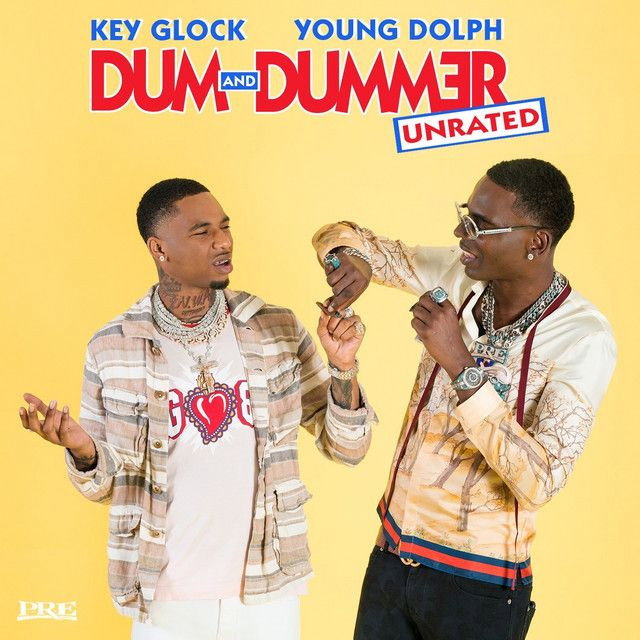
Why 'Baby Joker' Feels Like a Victory Lap
The meaning of Baby Joker Young Dolph, Key Glock starts with a simple idea: success means little without loyalty, control, and the power to protect what was earned. The song is full of flashy images, but it is not only about cars, cash, or designer clothes. Under that surface, it is also about trust, reputation, and the kind of confidence that comes from surviving real pressure.
"Baby Joker" - Young Dolph, Key Glock
Whole lot of camouflage shit in the driveway
Plug look like Baby Joker on Next Friday
Loading lyrics...
Unable to load lyrics
We're unable to display the lyrics at this time. Please try again later.
Young Dolph and Key Glock often made music that sounded like a family business turned into a movement. Their work under Paper Route Empire helped define that chemistry, with Dolph as the seasoned boss and Glock as the hungry star beside him. In “Baby Joker,” they lean into that dynamic and turn the song into a statement of status.
More Than a Flex Track
On first listen, the record can sound like pure stunt rap. The hook stacks image after image: a driveway full of camouflage vehicles, a wild car ride, and money everywhere. Phrases like camouflage shit
and Blue racks on me
build a world where success is visible before they even say how they got it.
But the song keeps returning to one deeper value: loyalty. When Dolph says he would cut someone off for dishonesty, the message is clear. In their world, betrayal is worse than envy. The quick spoken line about trust sharpens that point and gives the song a code to live by.
“Trust is everything, make sure we keep that”
That short moment matters because it breaks the flow of flexing and explains the rules behind it.
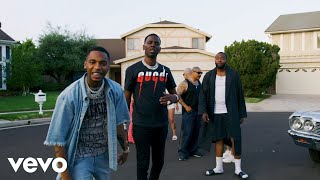
Watch the official Baby Joker
music video
The Hook Turns Hustle Into Myth
The title image is one of the song’s smartest details. The line Baby Joker
references a character from Next Friday, giving the song a comic, street-movie feel. Instead of describing the plug in plain terms, they turn him into a vivid pop-culture figure.
Interpretation: This image does two things at once. It makes the world of the song feel local and specific, but it also makes it larger than life. That is a key part of Dolph and Glock’s style: real details told with the swagger of legend.
The rest of the hook adds movement. References to a Demon going sideways and an 18-wheeler coming off the highway connect luxury with logistics. They are not just spending money; they are showing where money comes from. The song keeps one foot in the trap and one foot in high-end success.
Young Dolph’s Verse: Boss Energy With Boundaries
Dolph’s verse gives the song its emotional center. He talks about spending on his people because they are his team, not because he needs approval. That idea fits the public image he built as an independent-minded rapper and businessman through Paper Route Empire and his catalog of self-made anthems.
He also contrasts his own experience with people who only pretend to know struggle. The repeated “you ain’t never” structure works like a challenge. He is not just bragging; he is testing authenticity.
Phrases such as them my niggas
and another seven digit wire
show both sides of his identity: loyal friend and successful mogul. He presents wealth as proof of survival, not random luck.
Key Glock’s Verse: Fast-Talking Momentum
Key Glock enters with a sharper, younger burst of energy. If Dolph sounds settled in his authority, Glock sounds thrilled by acceleration. He talks about getting paid, needing a bigger safe, and choosing between luxury options like they are everyday decisions.
His verse also keeps the danger close. When he says Glocks don't jam
, the point is not subtle. In this song, money and violence live side by side. That tension is part of the record’s meaning: success did not remove risk, so they carry both pride and paranoia.
Two Voices, One Message
Together, they create a full picture of Paper Route confidence:
- Dolph represents earned status and loyalty.
- Glock represents momentum and hunger.
- Both treat trust as non-negotiable.
That balance is why the track feels so complete.
How the Production Sells the Message
The beat, credited to BandPlay, opens with the producer tag Let the band play
, which signals the cinematic, Memphis-rooted style many fans connect with their collaborations. The instrumental is spacious and heavy, giving each rapper room to sound relaxed rather than rushed.
That matters because the song’s confidence comes from control. Nothing in the production sounds frantic. The low-end rolls, the drums hit cleanly, and the beat moves like a slow parade of expensive cars. It supports the lyrics by making power sound effortless.
Interpretation: The production turns the song into more than a list of possessions. It creates the feeling of command, which is the real prize they are celebrating.
Why the Song Still Lands
Part of the meaning of Baby Joker Young Dolph, Key Glock is how naturally it mixes humor, menace, and pride. The Next Friday reference is playful. The warnings about lies are serious. The cars and cash are glamorous. None of those pieces cancel each other out.
Instead, they build a worldview: they made it, they know what it cost, and they do not plan to loosen their grip. For listeners, that is what makes the song memorable. It is a flex track, yes, but it is also a code-of-honor track.
Final Take
“Baby Joker” is really about earned status guarded by loyalty. Young Dolph and Key Glock use vivid street images, business-minded flexes, and a cool, hard beat to show that wealth only means something if the circle around it stays solid.
This article offers an interpretation based on the lyrics, performance, and artist context. Different listeners may hear different shades of meaning.







