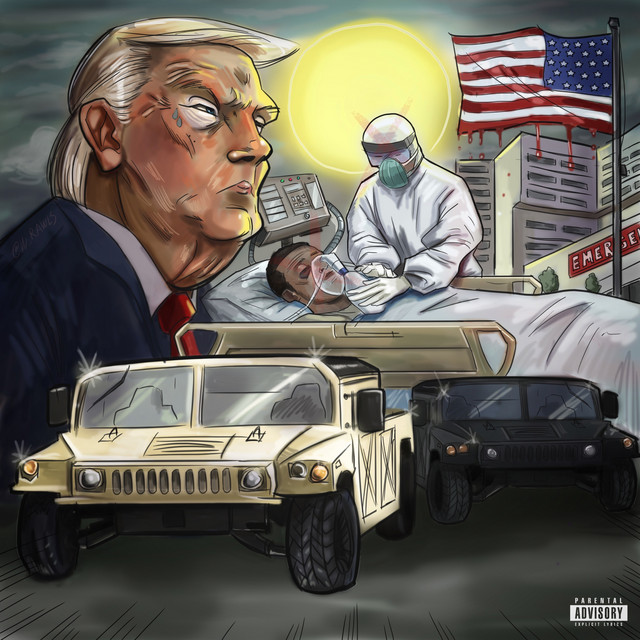
Why Young Dolph’s “Sunshine” Hits Hard
In a year filled with fear and isolation, Young Dolph turned a lockdown diary into a song about pressure, family, and hope.
"Sunshine" - Young Dolph
Provided by LyricFindMan, them kids loud as hell downstairs
This shit crazy as hell, what's goin' on on the news
Ayy, bae, pass me that phoneLoading...Loading lyrics...
Unable to load lyrics
We're unable to display the lyrics at this time. Please try again later.
The Heart of the Meaning
The meaning of Sunshine Young Dolph comes down to this: they use a chaotic moment to show what really matters when normal life stops. The song is set inside pandemic lockdown, but it is not only a time capsule. It is also a statement about self-reliance, protecting loved ones, and waiting for peace after a storm.
Young Dolph, born Adolph Thornton Jr., was known for championing independence in business and music, a point widely noted in coverage of his career after his death in 2021 by outlets like Billboard and The New York Times. In “Sunshine,” that independent streak becomes part of the song’s message. When the world feels unstable, they do not frame survival as luck alone. They frame it as planning, ownership, and staying ready.

Watch the official Sunshine
music video
A Quarantine Snapshot With Bigger Stakes
On the surface, “Sunshine” sounds almost casual at first. The opening plays like a conversation at home: noisy kids, TV news, a phone call, and daily habits. That grounded setup matters because it makes the song feel lived-in rather than staged.
From there, the track moves through several layers at once:
- life inside quarantine
- concern about national crisis
- pride in financial independence
- affection for family
- hope for better days
That blend is why the song works. It never becomes a pure political statement, a pure flex record, or a pure family song. It stays in between all three.
What the Verses Reveal About Dolph
Home life changes the perspective
One of the clearest ideas in the song is that being forced to stay home changed his routine and maybe his priorities. He describes daily contact with relatives and the joy his children feel when he is around more often. Later, he admits he spent years working so hard that family got less of his time.
That confession gives the song weight. A line like daddy been home every day
is simple, but it carries the surprise of someone who is not usually able to say that. The song suggests success brought comfort, but not always presence.
Money talk is not random bragging
Dolph also talks about stocks, expensive cars, and never signing a deal. In another song, those details might read as standard rap status symbols. Here, they serve a different purpose.
In context, the money language supports a survival theme. When he says invest in yourself
, the point is bigger than personal pride. He is arguing that ownership creates security in a crisis. That fits the public image he built through Paper Route Empire and his long-running emphasis on staying independent, covered by sources like Complex and Rolling Stone.
The Chorus Turns Fear Into Hope
The emotional center of “Sunshine” sits in the hook. After references to war, stress, and frontline workers, he offers a prayer and then reaches for a brighter image.
watch over the nurses and doctors
til the clouds gone
we get sunshine
This is the song’s most important turn. Before that point, the verses are full of coping mechanisms: smoking, drinking, buying, joking, preparing. In the chorus, they stop performing toughness for a moment and say what they really want. They want protection for vulnerable people and relief for everyone else.
Interpretation: “Sunshine” works as a symbol for more than nice weather. It stands for emotional release, public recovery, and the end of constant bad news.
Toughness and Vulnerability Live Together
A big reason the song feels honest is that it does not pretend one mood cancels the other. Dolph can sound amused, paranoid, grateful, flashy, and sincere all in the same track.
They joke about being prepared for the worst, but they also pray. They boast about wealth, but they also apologize to family. They enjoy the downtime, yet they make clear that the wider situation is dangerous.
That mix reflects real pandemic life in 2020. Many people felt bored, lucky, scared, and restless at once. “Sunshine” captures that emotional overlap better than songs that tried to make the era sound neat or inspirational.
How the Sound Supports the Message
Minimal but steady production
The beat gives the lyrics room to feel conversational. It leans on a clean Southern rap pulse, with drums that stay firm while the rest of the track leaves open space around Dolph’s voice. That space matters because the song is built around observation more than complex storytelling.
At one point he even calls for keep the drum line
, which cleverly points listeners back to rhythm and momentum. The production does not drown the message in drama. Instead, it keeps moving forward, like someone talking through a strange day and refusing to freeze.
Vocal delivery adds realism
Dolph’s delivery helps sell the song’s meaning. He sounds relaxed, but not carefree. There is humor in the performance, yet there is also tension under it. That balance makes the track feel like a real-time response to events rather than a polished speech after the fact.
A Useful Way to Read the Song Today
The meaning of Sunshine Young Dolph is not just “things will get better.” That would be too simple. The song is really about what people do while waiting for things to get better.
They check on family. They think about money. They notice their own habits. They try to stay ready. And they still hope the clouds clear.
Interpretation: The song’s lasting power comes from that tension between control and helplessness. Dolph cannot fix the world in the track, but he can protect his circle, speak honestly, and imagine relief.
Final Take
“Sunshine” stands out because it treats lockdown life as both personal and historical. Young Dolph turns headlines into household detail, then turns household detail into a broader message about survival, gratitude, and self-made stability.
That is why the song still lands: beneath the flexes and jokes, it is a record about waiting for light without pretending the darkness is not real.
Disclaimer: This interpretation is based on the released lyrics, the song’s performance, and publicly available artist context. As with any song, listeners may hear different meanings in it.








