The Meaning of 'Shame' by Young Fathers: Reckoning Rhythms
Young Fathers’ Shame is a street-corner sermon delivered as a stampede. Across racing percussion and raw chants, they wrestle with lies, status, and responsibility. For readers searching for the meaning of Shame Young Fathers, the song frames a public call-out—and then turns the light back on the callers.
"Shame" - Young Fathers
Is all you cunts can hold on to
I suggest you downgrade fast
Loading lyrics...
Unable to load lyrics
We're unable to display the lyrics at this time. Please try again later.
A Bullhorn Against Lies—and a Mirror
The first blows land on dishonesty. The narrator sneers at a barefaced lie
, making deceit feel obvious and shameless. But the accusation isn’t tidy hero-versus-villain.
They keep returning to shame on you
, like a verdict shouted in a town square. Yet the power of the track is how that verdict splashes back. When they admit I ain't right
, the song shifts from finger-pointing to shared guilt. Interpretation: Shame isn’t just aimed at a faceless enemy; it’s about complicity, the ways we all bend truth to feel clean or in control.

Watch the official Shame
music video
Who’s the “You,” Really?
The “you” feels slippery by design. It could be a corrupt partner, an industry that sells identity, or a culture hooked on image. The threat to downgrade fast
sounds like a warning to drop the pose before the crash comes. Interpretation: The group draws a circle around anyone who stakes their worth on status and spin—including themselves.
A Quick Walkthrough of the Story Beats
- A blunt charge: deception is out in the open—no subtlety, no shame.
- A warning: step down, strip back,
downgrade fast
before the fall. - The temptation: the glitter of
diamonds and the gold
stands for clout and comfort. - The reckoning: “it ain’t right” becomes a drumbeat of conscience.
- The self-check: confessions like
I ain't right
muddy the line between accuser and accused. - The craving loop: the question
What you do to feel better?
points to the cycle of quick fixes.
The Hook’s Double Edge
The chorus functions as both anthem and warning. It’s catchy, but it stings. Consider how one cluster of lines stacks accusation, urgency, and ethics:
Nothing but a barefaced lie I suggest you downgrade fast Before it's a shame on you It ain't right
Interpretation: This is a countdown. Lie—strip back—face consequences—admit the moral wrong. It’s simple language arranged like flashing signs.
Symbols Hiding in Plain Sight
Diamonds and the gold
: Easy wealth and social rank. They glitter, but they also trap people in comparisons.Shame on you
: Public verdict and mob chant. In repetition, it becomes a test—are the shouters clean?Downgrade fast
: A demand to abandon the façade, not just the luxury. It’s moral minimalism.What you do to feel better?
: The coping carousel—money, attention, substances, or denial.
How the Sound Carries the Message
Shame roars like a DIY alarm. The drums feel clattering and near, the bass is scruffed up, and the vocals push-then-pull like a crowd yelling in waves. Their trademark blend—alternative hip-hop with post-punk thrust and soulful shouts—turns judgment into movement.
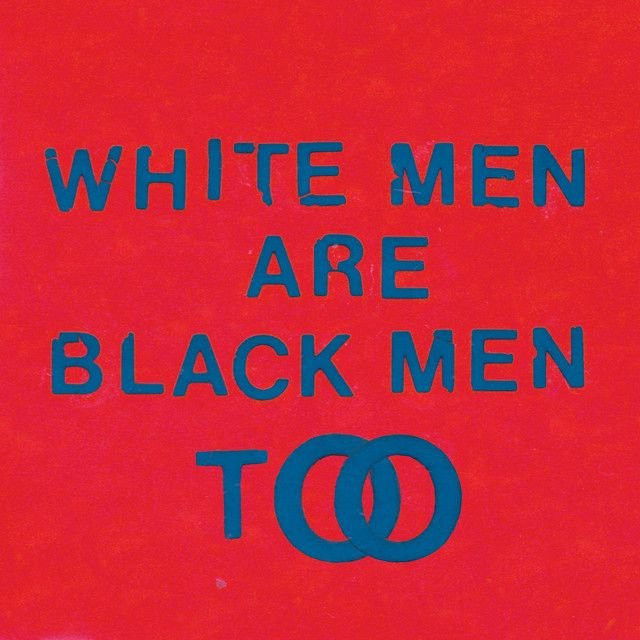
On 2015’s White Men Are Black Men Too, Young Fathers built songs that confront identity and power with stark hooks and rough textures. Shame sits in that lane: the mix is unpolished by choice, so the moral scrape is audible. Group vocals make the accusations communal; you hear the “we” and the “you” colliding in the same room. Production-wise, longtime collaborator Tim Brinkhurst joins the trio in sculpting something tense and urgent—like a siren set to a beat.
Alternate Readings That Fit the Evidence
- Interpretation—Industry Mirror: The “you” could be the music machine trading authenticity for shine.
Diamonds and the gold
reads as clout, anddowngrade fast
as “cut the branding.” - Interpretation—Toxic Relationship: The narrator calls out a partner’s lies, then admits their own part with
I ain't right
. - Interpretation—Social Critique: It’s a society-wide chant against corruption and consumer worship, with the chorus as a public square of judgment that risks becoming a pile-on.
Why It Still Lands
Shame matters because it frames ethics as a bodily jolt. The beat hammers, the chant swarms, and the truth hurts out loud. When they confess alongside the call-out, the track refuses easy purity. That’s why the meaning of Shame Young Fathers lingers: it asks listeners to hear the verdict—and check the mirror.
Final Word
Shame is less a lecture than a charged ritual. They name the lie, strip the gloss, and accept their own shadow. That honesty is the song’s real gold.
Disclaimer: Song meanings are interpretations based on lyrics, sound, and available context. Artists may intend or reveal different meanings over time.








