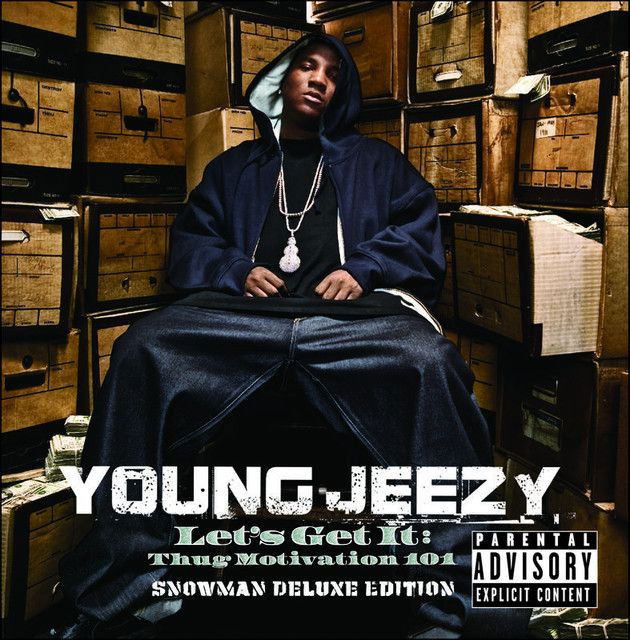
Gangsta Music by Jeezy
Why This Track Hits So Hard
The meaning of Gangsta Music Jeezy starts with identity. This is not a reflective song about regret or escape. It is a declaration of status. Jeezy presents themself as someone who has survived the street economy, risen above doubters, and now speaks directly to people who see hustle as both a lifestyle and a code.
"Gangsta Music" - Jeezy
Yeah, all you hatin' ass niggas
With your sneak dissin' nigga (sneak dissin' nigga)
Loading lyrics...
Unable to load lyrics
We're unable to display the lyrics at this time. Please try again later.
Released during the run-up to Let’s Get It: Thug Motivation 101, Jeezy was becoming one of the defining voices of Southern trap. Their 2005 major-label debut arrived after buzz from mixtapes and helped push trap into the mainstream, as noted by PopMatters in its review of the album. In that context, “Gangsta Music” works like a mission statement: it tells listeners who this music is for and why Jeezy thinks their voice matters.
Watch the official Gangsta Music
music video
The Core Message Beneath the Bragging
On the surface, the song is full of threats, boasts, and insults. But the deeper point is simpler. Jeezy is drawing a line between real experience and fake performance. Early lines make that divide clear with phrases like I'm here now
and you old news
. They are claiming authority, not asking for it.
The hook explains the song’s purpose better than the verses do. When Jeezy says people will ride to this
, grind to this
, and shine to this
, they are turning the track into a soundtrack for ambition. That matters because the song is not only about violence or intimidation. It is also about motivation inside a harsh system. In Jeezy’s world, success means money, respect, and staying powerful enough to avoid being erased.
Interpretation: The song treats “gangsta” less as a strict criminal label and more as a posture of hardness. It stands for discipline, fearlessness, and refusing weakness.
A Street Persona, Not a Diary Page
Jeezy’s lyrics in this period often blur reality, mythmaking, and performance. Gangsta rap as a subgenre has long been debated this way: critics hear glorification, while defenders hear depiction or stylized truth. That tension is central to “Gangsta Music.” The song uses violent imagery and drug references, but it also follows the genre’s tradition of building a larger-than-life speaker.
That is why the track feels so absolute. Jeezy does not leave much room for doubt, apology, or nuance. They speak as if every challenge must be answered with force. A short line like I'm strapped
is not just literal. It helps create a character who must always appear ready, because vulnerability would break the image.
All the gangstas they gon' ride to this
They gon' grind to this
They gon' shine to this
This is gangsta music
That short chorus is the key to the whole song. It moves from movement, to work, to reward. Ride. Grind. Shine. The progression suggests a worldview where struggle leads to status, and music becomes fuel for that climb.
How the Verses Build the Theme
Each verse adds a layer to Jeezy’s self-portrait:
- Verse one establishes dominance. They mock rivals, dismiss weak rappers, and tie credibility to money and street ties.
- Verse two raises the stakes. The imagery becomes more militarized, showing a world where survival depends on preparation and force.
- Verse three links street success to rap success. Jeezy suggests they are now taking market share in music the same way a hustler takes territory.
That last idea is especially important. “Gangsta Music” is partly about career takeover. Jeezy is not only talking to enemies in the street. They are talking to competitors in rap. When they sneer at other MCs, the song becomes a statement about authenticity as commercial advantage.
The Sound Makes the Meaning Bigger
Production is a huge part of why the song lands. Jeezy’s breakout era was built on dark, stripped-down beats that left room for their rasp to dominate. PopMatters described that voice as almost an instrument in itself, and that fits here. Jeezy’s ad-libs, growls, and rough tone make the performance feel physical.
The beat is blunt and repetitive on purpose. It does not distract with melodic complexity. Instead, it pounds forward like a warning siren. That minimalism supports the message: the song wants to feel direct, intimidating, and usable. It is built less for close harmony than for car speakers, clubs, and public spaces where attitude matters first.
Interpretation: The production turns the song into a chant of self-belief. Even listeners who reject the lyrics can hear why the record feels energizing. Its rhythm sells certainty.
Artist Context Matters Here
Jeezy’s larger catalog often frames hustling as both pride and trap. In the same album cycle, critics noted that their songs used the language of the drug economy with unusual focus. Jeezy also reportedly argued that the material did not simply promote dealing, but described a system people were trying to survive and rise out of.
That context sharpens the meaning of Gangsta Music Jeezy. This track is not a balanced social essay, but it does come from an artist who built a career on translating street economics into motivational rap. The song’s repeated claim that this is “music” for people who grind suggests a bridge between two worlds: illegal hustle and music industry hustle.
Why It Still Connects
Part of the song’s staying power is that it works on two levels at once. For some listeners, it is pure adrenaline and bravado. For others, it is a snapshot of how gangsta rap and early trap turned harsh realities into anthems of confidence.
Either way, “Gangsta Music” succeeds because it sounds convinced. Jeezy does not merely describe power; they perform it so forcefully that the track becomes its own argument.
Final Take on the Meaning
The best way to read “Gangsta Music” is as a declaration of identity, credibility, and motivation through hardness. It frames toughness as currency and music as fuel for people who believe survival requires force, hustle, and nerve.
That interpretation may not be the only one. Like much gangsta rap, the song can be heard as performance, reflection, provocation, or all three at once. This article offers an informed reading, but song meaning always leaves room for listener interpretation.








