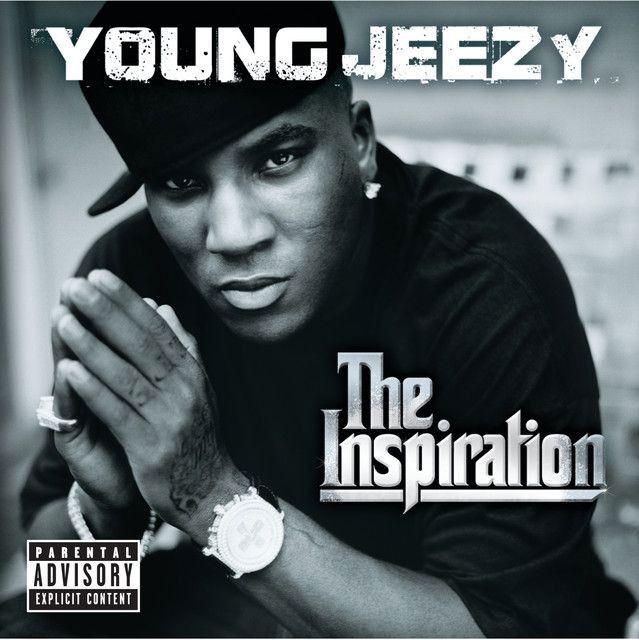
J.E.E.Z.Y. by Jeezy
Why This Song Feels Bigger Than a Brag
The meaning of J.E.E.Z.Y. Jeezy starts with image, but it does not end there. On the surface, the song is a blunt self-portrait: Jeezy presents himself as a hustler, a star, and a man whose street past still defines his present. But the track also shows how that identity is built, repeated, and protected.
"J.E.E.Z.Y." - Jeezy
All's well that ends well
Outside watering their lawn and shit
Loading lyrics...
Unable to load lyrics
We're unable to display the lyrics at this time. Please try again later.
They frame the song like a declaration of ownership. The opening paints a neat neighborhood scene, then quickly undercuts it with tension and territory. When Jeezy says, in effect, this may be someone else's hood but not his, the song turns into a map of power. It is less about beauty than control.
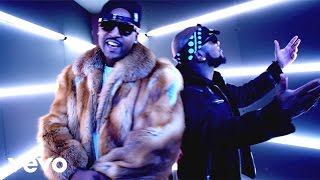
Watch the official J.E.E.Z.Y.
music video
A Character Sketch Disguised as a Trap Anthem
Rather than tell one clean story, Jeezy stacks details until a persona appears. The hook is key. Lines like Jeezy like to drink
and Jeezy at the trap
are simple on purpose. They do not offer nuance; they build a brand.
Interpretation: the repetition suggests that fame has turned the rapper into a symbol, and the song leans into that. Jeezy is not just speaking as a person here. They are presenting “Jeezy” as a public character made of habits, reputation, and hard-earned status.
That is why the chorus matters. It reduces a complicated life into a short list: intoxication, hustling, money, shine. In rap terms, that works like a mission statement.
From Quiet Street to Pressure Cooker
The verses make the neighborhood feel crowded with watchful eyes. There are neighbors calling police, people informing, buyers arriving late, and constant movement. Even before the song gets to luxury goods, it shows a world where business never stops.
A short phrase like still snitchin'
tells readers a lot about the atmosphere. Trust is thin. Another phrase, on my grind
, shows how Jeezy describes work not as an event but as a permanent condition.
This matters because the song connects ordinary suburb-like images with criminal tension. Birds, lawns, and old ladies exist right next to the trap. That contrast gives the track its edge. Jeezy suggests that danger is not hidden away; it lives inside everyday American life.
The Hook Turns Survival Into Identity
The repeated chorus is not emotionally rich, but it is psychologically revealing. It says that the speaker’s identity is tied to appetite and labor. They like to drink, smoke, work, and shine. That progression moves from private habit to public display.
Interpretation: the hook also hints at emptiness. When a person keeps repeating who they are, it can sound confident, but it can also sound like reinforcement. The song may be saying that in Jeezy’s world, identity has to be repeated constantly or it loses value.
One of the most telling phrases is bout his paper
. Money is not just a goal. It is proof of seriousness, survival, and rank.
Symbols of Success, and What They Cover Up
Jeezy fills the verses with signs of wealth: a Franck Muller watch, a customized car, big rims, expensive chains, designer clothes. These images are familiar in rap, but here they serve a specific purpose. They show the visible rewards of invisible risk.
The watch signals urgency. The car suggests rebirth and spectacle. The chain and carats turn success into something that can be seen from across the street. Even his shopping sounds excessive, as if spending is part of proving he made it.
At the same time, these symbols sit beside images of the kitchen, the stove, police calls, and guns. That keeps the song from becoming pure celebration. The luxury is never fully separate from the danger that financed it.
How Jeezy’s Sound Carries the Message
Jeezy, born Jay Wayne Jenkins, became one of trap rap’s defining voices in the 2000s, especially around the era of Let’s Get It: Thug Motivation 101 and later releases documented by outlets like Britannica and AllMusic. The writing credit supplied here lists Jay Jenkins and Demetrius Stewart.
Musically, the song works through force and repetition. The beat is built to leave room for Jeezy’s voice, ad-libs, and slogans. Instead of a dense lyrical maze, the production creates a marching rhythm. That makes every self-description land like a stamp.
Their delivery matters as much as the words. Jeezy often uses a rough, commanding tone that sounds half-report, half-warning. In a song like this, that voice helps sell the central idea: the speaker is not asking to be understood, only recognized.
Two Useful Ways to Read It
There are at least two strong readings of the song:
- Literal reading: it is a straightforward trap anthem about street work, wealth, and local power.
- Interpretive reading: it is about manufacturing the Jeezy persona, turning lived struggle into a repeatable myth.
Both fit the lyrics. The first explains the concrete details. The second explains why the chorus sounds like a slogan and why the song keeps circling back to name recognition.
The Last Word on the Meaning of J.E.E.Z.Y. Jeezy
In the end, the meaning of J.E.E.Z.Y. Jeezy is about more than flexing. It shows how survival, status, and self-promotion blend together in trap music until the man and the myth are hard to separate.
Jeezy presents a world where danger never fully fades, even after success. The jewelry shines, but the pressure stays. That tension is what gives the song its staying power.
Disclaimer: This article offers interpretation based on the lyrics, performance, and available context. Song meaning can remain open to different listener readings.








