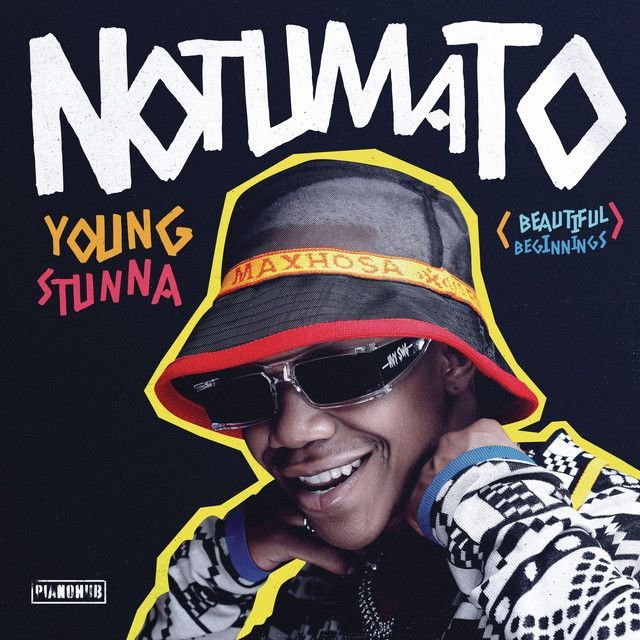
Why 'Adiwele' Feels Like a Breakthrough
The meaning of Adiwele Young Stunna, Kabza De Small, DJ Maphorisa comes through less like a plot-heavy story and more like a mission statement. The song sounds celebratory, but its words point to struggle, blocked access, and the stubborn belief that a better life is still possible.
"Adiwele" - Young Stunna ft. Kabza De Small, DJ Maphorisa
Asihlaseleni solwel'impilo emnandi
Kunini sabawela kuyoze kufik'elakusasa
Loading lyrics...
Unable to load lyrics
We're unable to display the lyrics at this time. Please try again later.
At its heart, "Adiwele" is about refusing defeat. They frame success as something people must chase together, even when doors seem shut and the future feels delayed. That is why the song hits so hard on the dance floor: beneath its smooth Amapiano pulse, it carries hunger, faith, and motion.
A Dream Bigger Than the Room
Early lines focus on fighting for a sweeter life. The repeated idea around impilo emnandi
suggests comfort, joy, or the good life, but not in a shallow way. It sounds earned.
The song also stresses how long that chase has been going on. When they imply that the wait stretches toward tomorrow, they capture a feeling many listeners know well: progress can feel close and far at the same time.
This is where the emotional core of the song lives. They are not saying life is already easy. They are saying the vision of a better life is strong enough to keep them moving.

Watch the official Adiwele
music video
The Key Line: Closed Doors Cannot Last
One of the clearest messages comes in the phrase Angeke bayivale yonk'iminyango
. In simple terms, they are saying not every door can be closed forever.
That idea matters because the song keeps returning to obstacles without sounding crushed by them. Instead, it turns resistance into fuel. If one way is blocked, another will open.
Interpretation: This can be heard as a statement about class mobility, music-industry competition, or everyday survival. The lyric does not lock itself into one setting, which is part of why it travels so well across audiences.
Movement, Not Just Motivation
The lyrics keep urging action. Phrases like Lalela
and Asambe
work almost like spoken cues in a crowd. They call people to listen, then to move.
That shift is important. "Adiwele" is not just about private hope; it is about collective momentum. The voice feels communal, as if they are bringing others into the same dream.
Lalela
Asambe
Angeke bayivale yonk'iminyango
Even in this short sequence, the structure is clear: pay attention, keep going, do not accept the limits placed in front of you.
Gates, Angels, and What Is Coming
Later lines add spiritual and symbolic language. When they mention vulil'amasango
, or opening the gates, the image suggests access at last. Gates are stronger than doors; they imply major barriers, institutions, or life-changing thresholds.
Then comes Ingilosi la empilweni yami
, a reference to an angel in their life. That softens the harder ambition of the song. Success is not presented as pure ego. It also carries gratitude, protection, and maybe divine timing.
Another line points to growth still ahead. They suggest that something greater is coming. Together, these images build a simple but effective arc:
- They struggle toward a better life.
- People try to block the path.
- The gates begin to open.
- Help, luck, or grace appears.
- The future starts to feel real.
What the Chorus Adds to the Meaning
The repeated Adiwele
hook is one reason the song feels so memorable. Because it is delivered like a chant, it works more emotionally than literally for many listeners.
Interpretation: The hook can be heard as a warning not to fall, not to lose what has been gained, or not to let the moment slip away. Even if a listener does not know every linguistic nuance, the feeling is unmistakable: hold the line, protect the blessing, keep the energy alive.
That repetition matters. In Amapiano, hooks often create trance-like focus, and here the repetition turns the song into a shared affirmation.
How Young Stunna and the Producers Shape It
Young Stunna’s vocal performance gives the song its human center. They sing with warmth rather than aggression, which makes the ambition feel inviting instead of boastful.
Kabza De Small and DJ Maphorisa, widely associated with the Scorpion Kings brand and modern Amapiano’s rise, help create the setting that makes this message land. The production style they are known for blends deep grooves, patient build-up, piano textures, and log drum movement. Those traits are discussed across profiles of the artists and the genre, including coverage from outlets like Rolling Stone and BBC.
In "Adiwele," that sound does two things at once. It feels luxurious, matching the dream of a better life, but it also feels steady and marching, matching the song’s refusal to give up.
Why the Song Connected So Widely
Part of the song’s appeal is that its message is broad without being vague. Listeners can hear ambition, faith, hustle, romance with the future, or even national pride in it.
The credited writers listed for the song include Kabelo Motha, Sandile Fortune Msimango, and Themba Sekowe. Those names align with Kabza De Small, Young Stunna, and DJ Maphorisa, giving the track a strong link between voice, writing, and production identity.
For U.S. listeners, the easiest way to understand the meaning of Adiwele Young Stunna, Kabza De Small, DJ Maphorisa is this: it is a dance song about breakthrough. It turns pressure into motion and hope into rhythm.
The Last Word on "Adiwele"
"Adiwele" endures because it sounds joyful while remembering the fight underneath. They do not deny the closed doors; they sing past them.
That balance is the song’s magic. It celebrates the future before the future fully arrives.
Disclaimer: This interpretation is based on the lyrics, performance, and cultural context available to the public. As with many songs, some meanings remain open to listener interpretation.







