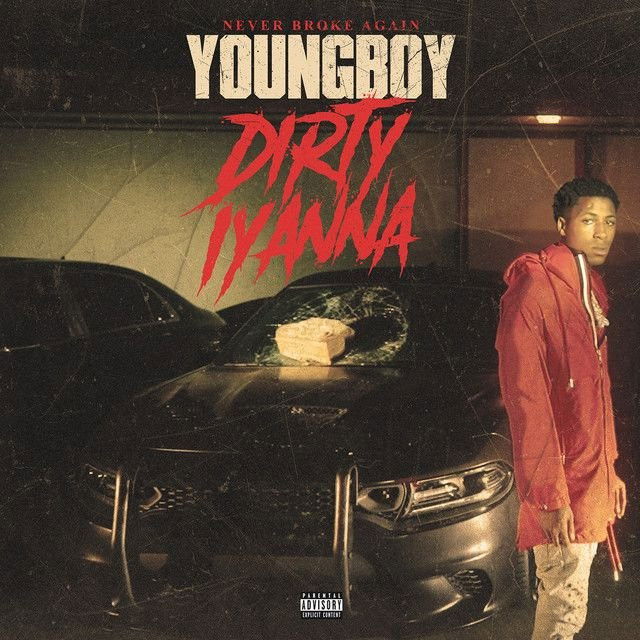
Why 'Dirty Iyanna' Feels So Personal
The meaning of Dirty Iyanna YoungBoy Never Broke Again comes down to a messy mix of heartbreak, wounded pride, and fear of getting hurt again.
"Dirty Iyanna" - YoungBoy Never Broke Again
Provided by LyricFind(CashMoneyAP)
You'll never make me lose
So why you braggin' on me?Loading...Loading lyrics...
Unable to load lyrics
We're unable to display the lyrics at this time. Please try again later.
A breakup song dressed like a warning
YoungBoy Never Broke Again released "Dirty Iyanna" in December 2019 as a standalone single. According to widely cited song information, it arrived after his breakup with Iyanna Mayweather and reworked Michael Jackson’s "Dirty Diana" into a trap song with a sharper, more personal edge. It was released through Never Broke Again and Atlantic, and it peaked at No. 67 on the Billboard Hot 100.
Factually, the song is known for flipping Jackson’s 1988 hit while turning the title into a direct reference to Iyanna. That context matters because the track is not just a love song gone wrong. It is a public retelling of a breakup where romance, fame, and conflict all bleed together.
Interpretation: At its core, the meaning of Dirty Iyanna YoungBoy Never Broke Again is about trying to sound tough while clearly still being hurt. They present distance as self-protection, but the verses keep returning to grief.

Watch the official Dirty Iyanna
music video
The speaker sounds hard, but not healed
From the opening lines, they frame the relationship as emotionally damaging. The song begins with blame and regret, and the speaker suggests they were misled and too trusting. When they say "your ways was cruel"
, the point is not subtle: this person is painted as someone who hurt them deeply.
Still, the song does not stay in pure anger. It quickly shifts into confession. The speaker says this was the person they would have chosen to stay close to them, which reveals emotional dependence under the bravado.
That split matters. One moment they insist on control and toughness. The next, they admit they are still thinking about the person every day. In simple terms, this is a song where pride keeps interrupting pain.
A short story of love, damage, and retaliation
The verses unfold like scenes from a breakup aftermath:
- First, they remember trust and closeness.
- Then, they describe abandonment and emotional shock.
- After that, they switch into survival mode.
- Finally, they circle back to longing and unresolved love.
A key image is the line about "slashed the tires"
. Even without taking every detail as literal truth, the song uses that image to symbolize chaos crossing into their personal space. It turns the breakup into something physical and threatening.
Another revealing phrase is "protect my heart"
. That line is central to the song’s emotional logic. They are not just guarding their body or reputation. They are trying to keep heartbreak from happening again, even if they use street language and violence as the shield.
Why the chorus keeps reducing her to one word
The repeated title in the hook works like a verdict. By calling her "Dirty Iyanna"
again and again, the speaker boils the whole relationship down to betrayal and disrespect.
Interpretation: The chorus is less about description than emotional branding. Repetition helps them stay angry. If they keep naming her as the villain, they do not have to sit too long with their own sadness.
That is why the hook feels catchy but tense. It is simple enough to chant, yet emotionally loaded. Instead of offering new detail, it locks the listener into the speaker’s point of view.
The most revealing lines are the softer ones
The hardest parts of the song get attention, but the softer admissions reveal more. They mention crying alone and imagining loss. Those moments cut through the aggression and show someone who feels abandoned, confused, and scared of emotional collapse.
One of the strongest examples comes when the song moves from conflict to fantasy about family and permanence. The speaker even asks, in effect, whether they could still build a future together. That sudden turn makes the song more tragic than purely vindictive.
I be thinkin' about you
on the daily
This brief moment captures the song’s contradiction. Even after all the blame, they are still mentally stuck in the relationship. That is why the track feels raw: it is trying to push someone away while emotionally chasing them.
How the production carries the meaning
"Dirty Iyanna" was credited to producers CashMoneyAP and Nick Seeley, with songwriting credits also reflecting the interpolation of Michael Jackson’s song. The beat blends trap drums with a melodic, slightly rock-leaning feel often noted by music coverage of the track.
That sound is important. The guitar-toned atmosphere and dramatic melody create a haunted feeling, while the drums keep the song grounded in YoungBoy’s usual urgent style. The result is a hybrid of confession and confrontation.
Their vocal performance also adds meaning. They do not rap with cool distance. They strain, bend notes, and sound close to the edge. That makes the song feel less calculated and more like an emotional spill.
The Michael Jackson connection is more than a gimmick
The "Dirty Diana" reference gives the song an instant frame: dangerous attraction. But YoungBoy changes the idea. Jackson’s song was about resisting a seductive figure; "Dirty Iyanna" turns that setup into a modern breakup narrative rooted in public relationship drama.
Interpretation: By borrowing that title and melodic mood, they place their own story inside a larger pop tradition of toxic romance. At the same time, the street details, jealousy, and paranoia make it unmistakably their own.
Final read on the song
The meaning of Dirty Iyanna YoungBoy Never Broke Again is not just that a relationship ended badly. It is that the breakup left the speaker split between love and defense. They want control, but they keep revealing grief.
That tension is why the song lasts. It sounds like a diss on the surface, yet underneath it is a breakup diary with the volume turned all the way up.
Disclaimer: This article offers a good-faith interpretation based on the lyrics, public song credits, and release context. Meaning in music can remain open to more than one reading.








