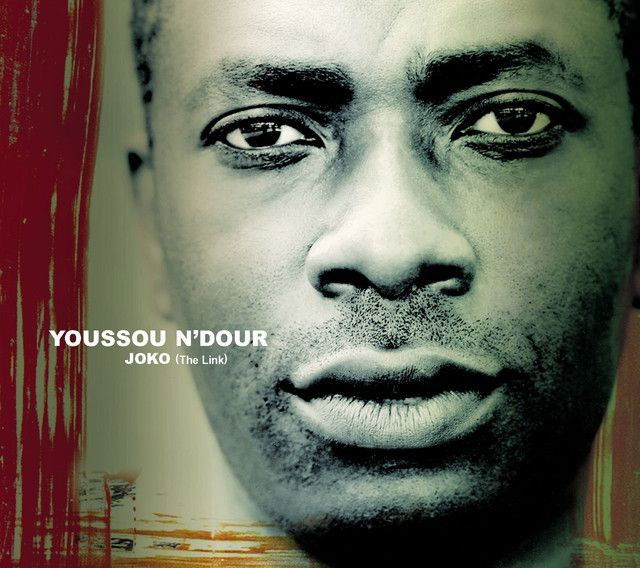
Birima by Youssou N’Dour
They don’t need to understand Wolof to feel the pull of Youssou N’Dour’s “Birima.” The song moves like a parade: drums forward, voices rising, a leader’s name lifted high. For listeners curious about the meaning of Birima Youssou N’Dour, this is a praise song that turns memory into motion.
"Birima" - Youssou N’Dour
Maysa tende jodo yaa moom liile
Maysa tende jodo yaa moom liile
Loading lyrics...
Unable to load lyrics
We're unable to display the lyrics at this time. Please try again later.
A Praise Song That Travels Everywhere
At its heart, “Birima” is a traveling salute to a revered figure. The repeated call Woy Birima
functions like a rallying cry—sing Birima, lift him up. The chorus makes that promise explicit, a pledge to honor him in any place:
Hi woy birima fumu yendu ma yendu fa yendo naanee Woy birima fumu yendu ma yendu fa yendo naanee
Interpretation: the singer vows, “Wherever I go, I will sing Birima.” The message is loyalty, carried across towns and time. The refrain’s insistence turns private respect into public ritual.
Watch the official Birima
music video
Who Birima Is—And Why It Matters
Birima is remembered within the Wolof world as a generous leader, the kind of patron who feeds, shelters, and celebrates people at life events. The song’s references to titles and places—such as Damel Maisa
and Cayor—root the story in precolonial Senegal, where a Damel was a king of Cayor. Rather than a biography, the lyric sketches traits: open-handedness, protection, and honor.
Interpretation: N’Dour uses Birima less as a single historical person than as a model of ethical leadership. In this reading, Birima is a symbol of good rule—someone who gives dignity to communities and supports artists.
Voice of a Griot: Who’s Speaking Here
“Birima” sounds like a griot’s address: a singer who preserves lineage and praises virtue. When the lyric says sama waaji ken dula jam
(my words won’t be silenced), it frames the performance as duty. The narrator speaks for a crowd, not just for themself. Names like Buri Samba Laobe
and family lines tumble through the verses, showing how praise binds individuals to a wider network.
Interpretation: by naming, the song confers status. To be sung about is to belong and to be remembered.
The Chorus as a Public Vow
The chorus doesn’t change much; that’s the point. Repetition is ceremony. Each return to Woy Birima
reaffirms the oath made earlier. In many West African traditions, repetition builds power. Here, it also creates a simple entry point for audiences who may not know Wolof. Listeners can still join in on the hook and feel part of the tribute.
Names, Titles, and Places as Symbols
Damel
: a royal title, signaling legitimate authority.joor
: often tied to nobility or valor; Interpretation: it works like an honorific for bravery.- Surnames and given names (Samba, Ngoné, Aziz): social roots and kinship.
- Place markers (Kayor/Cayor): a real geography that anchors myth.
Together, these markers turn the track into a living archive. They remind listeners that leadership lives in relationships—between rulers, griots, artisans, and villagers.
Mbalax in Motion: How the Groove Speaks
The meaning of Birima Youssou N’Dour is also carried by sound. Mbalax’s sabar drum patterns spark a dance-floor urgency, while the tama (talking drum) answers N’Dour’s phrases in quick bursts. Guitars interlock with the percussion, creating a rolling, forward feel. Call-and-response vocals thicken the praise, as a chorus echoes and amplifies the leader’s name.
Interpretation: this bright, kinetic mix mirrors generosity. The music opens space—rhythmically and socially—for people to gather, dance, and agree on shared values.
What Story the Verses Suggest
Even without a line-by-line translation, the verses read like a circuit of ceremonies: naming families, recalling deeds, and blessing the crowd. Mentions of craftspeople and patrons hint at an economy of giving, where a ruler’s status comes from how much they share. The invocation of titles and the proud roll call of names suggest weddings, harvests, or public gatherings where the griot’s voice guides memory.
Other Ways to Hear It
- Interpretation: A broader civic anthem. Birima becomes any leader who uses power to uplift, not hoard.
- Interpretation: An artist’s credo. By promising to keep singing the name, the narrator claims responsibility for cultural continuity.
Both readings fit because the song leaves room inside its refrain. The meaning is steady, but the focus can shift—from one person to a whole ideal.
Takeaway: A Name That Still Feeds the Crowd
“Birima” endures because it turns respect into action. By singing the leader’s name again and again, the track keeps generosity in circulation. For anyone asking about the meaning of Birima Youssou N’Dour, the answer is simple and clear: it’s a vow set to rhythm—carry the good name forward, and let the drums make the promise felt.
Disclaimer: This article offers interpretation based on cultural context, common translations of key phrases, and musical analysis. Specific word-by-word meanings may vary by dialect and performance.








