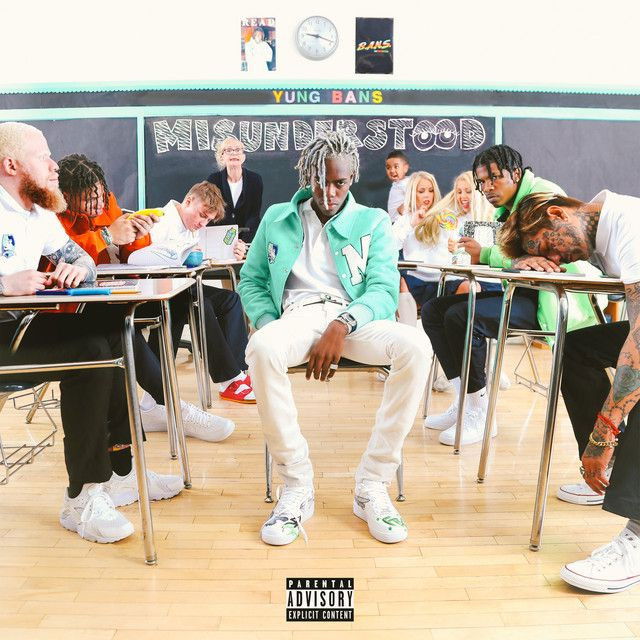
Going Wild by Yung Bans
The meaning of Going Wild Yung Bans starts with a simple idea: they present chaos as both a flex and a warning. The song is built around reckless freedom, public image, and the pressure to stay dominant. On the surface, it is a brash trap record about women, money, drugs, and enemies. Under that surface, it also sounds like a portrait of someone trapped inside the image they created.
"Going Wild" - Yung Bans
Yeah, yeah
Yeah, yeah
Loading lyrics...
Unable to load lyrics
We're unable to display the lyrics at this time. Please try again later.
The Hook Turns Recklessness Into Identity
The chorus repeats the phrase going wild
so often that it stops sounding like a single action and becomes a lifestyle. They are not describing one bad night. They are describing a permanent mode of living.
That matters because the repeated line is framed by judgment from another person. When the song says she hate the way I'm living
, it introduces conflict. Someone close sees the behavior as destructive, while the speaker treats it like proof of status and freedom.
Interpretation: this tension gives the track more meaning than a standard boast rap song. The hook suggests that “wild” behavior is thrilling, but also costly. The song never slows down long enough to admit regret, yet the need to repeat the phrase hints that they are defending the lifestyle as much as celebrating it.

Watch the official Going Wild
music video
Fame, Desire, and the Need to Be Seen
A major part of the song is performance. They brag that a direct message could send someone run to the blogs
, which ties romance and sex to internet attention. In that moment, personal contact is not private. It is content.
That small line says a lot about modern rap fame. Attention becomes currency. Relationships become proof of influence. The boast is less about affection than about visibility.
The same pattern shows up in the luxury details. Jewelry, brand names, and switching partners all reinforce the idea that everything is replaceable as long as status stays high. The song treats excess like a habit, not a reward. That makes the world of the track feel cold, fast, and disposable.
Style Theft and Street Pressure
The second major theme is rivalry. They complain about people trying to copy them, using the phrase steal my style
to frame imitation as disrespect. In rap, style is identity. If someone copies the look, flow, or attitude, it can feel like an attack on originality.
But the song does not stop at annoyance. It quickly escalates into threats and violent imagery. That shift is important. In this track, image and danger are linked. A stolen style is not just bad manners; it becomes one more reason to stay on guard.
A short key moment
I've been going wild
tryna steal my style
throwin' in the towel
Paraphrased, this section moves from self-definition to conflict to supposed victory. It shows the song's basic story arc: they act out, others react, and they claim to come out on top.
What Is Actually Happening in the Song?
There is not a detailed plot, but there is a clear emotional timeline:
- They invite someone away from their current relationship and into their orbit.
- They connect fame with sexual power and public gossip.
- They stack up signs of wealth to prove success.
- They answer critics and copycats with paranoia and aggression.
- They return to the hook, where recklessness becomes the whole identity.
That looping structure matters. The song does not move toward change or insight. It keeps circling the same impulses. That repetition mirrors the life it describes: flashy, intense, and stuck.
How the Production Supports the Message
The beat tag points to Bugz, and the production fits the late-2010s melodic trap lane Yung Bans often worked in. Their catalog, including the debut album Misunderstood, helped place them in a wave of artists who mixed airy melodies with hard-edged threats.
Here, the instrumental leaves space for the hook to dominate. The drums hit with enough force to keep tension high, but the melodic layer feels hazy and floating. That contrast matters. The sound is dreamy, while the lyrics are hostile and impulsive.
Yung Bans' delivery also shapes the meaning. They sound less like someone carefully telling a story and more like someone blurting out a mindset in real time. Ad-libs, repeated phrases, and loose structure create a druggy, unstable feel. The performance makes “wild” sound not just exciting, but uncentered.
Artist Context Helps Explain the Song
Yung Bans emerged from the SoundCloud-era trap scene, where melody, repetition, and mood often mattered as much as dense storytelling. According to AllMusic, they built attention early through a string of online releases and collaborations.
That context helps explain why this track leans so hard on vibe and persona. The song is less interested in moral clarity than in creating an atmosphere of danger, fame, and appetite. It sells a character the listener can recognize instantly.
The Strongest Interpretation
The best reading is that the song dramatizes self-destructive success. They have money, attention, and influence, but every verse suggests instability. Women are temporary, rivals are everywhere, and even pleasure comes mixed with aggression and drugs.
Interpretation: the song may be heard as a flex record, but it also accidentally reveals emptiness. If they must keep saying they are wild, they may be trying to convince themselves that constant motion equals control.
Final Take on the Meaning
The meaning of Going Wild Yung Bans is not subtle, but it is more layered than it first appears. It is about reckless living as status, fame as spectacle, and violence as a shield for insecurity. The hook makes the lifestyle sound powerful, while the details make it feel unstable.
That tension is what gives the song its pull. It is fun, menacing, and repetitive by design. Interpretation disclaimer: song meaning is never fully fixed, and this reading is one informed interpretation based on the lyrics, performance, and artist context.








