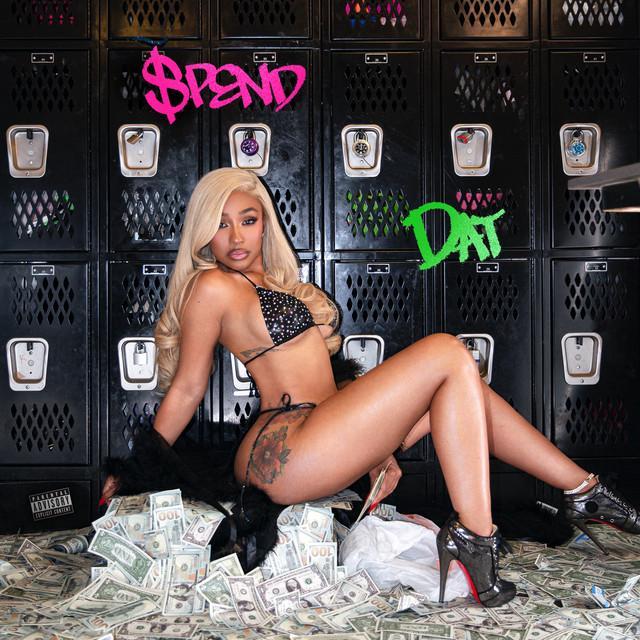
Spend Dat by Yung Miami
A loud anthem with a clear mission
The meaning of Spend Dat Yung Miami starts with its simplest idea: money is not just earned, it is shown. The song turns spending into a public act, a badge of survival, and a statement of status. Rather than hide hustle, they put it front and center.
"Spend Dat" - Yung Miami
Uh, Miami
This for all my scammers and my get-money bitches
Loading lyrics...
Unable to load lyrics
We're unable to display the lyrics at this time. Please try again later.
On the surface, the track is a club-ready celebration of cash, designer bags, and boss energy. But under that, it also reflects a world where success has to be visible to feel real. In this song, spending becomes proof that they made it through hard conditions and came out with something to show.
What the song is saying beneath the flex
Yung Miami builds the record around repeated calls to people in the hustle economy. They shout out scammers, boosters, and women getting money on their own. That repeated roll call gives the song a community feeling, even when the lyrics are brash.
When they repeat spend that shit
, the line works like more than a party chant. It says money is temporary, so enjoy it now. It also says wealth has social power only when people can see it.
That is why the references to cash and luxury items matter. A phrase like Goyard bag
is not random name-dropping. It stands for a recognizable symbol of taste, access, and success. The bag is both storage and display: a place to carry money, and a way to show that the money changed their image.
Hustle, risk, and street credibility
The verses connect spending to danger. They do not describe money as calm or secure. Instead, cash comes with movement, pressure, and legal risk. The lyric about putting money away in case authorities come suggests that this world is never fully safe.
That tension is important to the meaning of Spend Dat Yung Miami. The song celebrates the rewards of hustling, but it also hints that those rewards may not last. The flex is real, yet it sits next to fear, surveillance, and the need to move fast.
The chorus as a worldview
The hook keeps returning to fast spending, which makes the song feel circular on purpose. They are not telling a detailed story with a beginning and end. They are presenting a mindset.
Twenties, fifties, hundreds, cash
Boy, go in that Goyard bag
This short section reduces the world to visible money and immediate action. The point is not careful planning. The point is the thrill of having cash in hand and turning it into proof of power.
Women, power, and self-definition
One of the song’s strongest ideas is that women are not side characters in this world. They are part of the engine. Yung Miami makes room for women who hustle, women who save, and women who expect to be treated like prizes.
When they describe women who are gettin' money
on their own, the song shifts from simple bragging into a declaration of independence. They are not waiting for someone else to fund the lifestyle. They claim ownership over it.
This matters in the larger context of Yung Miami’s public image. As one half of City Girls and as a solo voice, they have often leaned into themes of financial control, confidence, and female leverage. That broader persona helps explain why “Spend Dat” feels less like random boasting and more like a continuation of a known message. Their solo single rollout also framed them as an artist extending that hard-edged identity.
Miami identity is all over the record
The song closes by naming the hood and the 305, and that local stamp matters. This is not just a generic rap song about money. It is rooted in Miami identity, where flash, speed, and performance have deep cultural value.
The beat supports that setting. Produced by J. White Did It, according to release credits listed on streaming credits, the record is built for impact rather than subtlety. The drums hit hard, the chant-like hook is simple, and the spaces in the beat leave room for commands to land. That stripped, booming style helps the song feel like a street anthem and a club record at once.
How the sound carries the meaning
The production makes the message feel immediate. There is no soft entry point. The beat arrives like a demand, and Yung Miami’s delivery is sharp, direct, and almost conversational in places. They sound like they are addressing a crowd, not whispering private thoughts.
That matters because the song’s themes are public themes: status, money, fearlessness, and visibility. A glossy or emotional beat would have changed the meaning. This one makes every command sound like an order to live boldly.
Interpretation: celebration or critique?
There are at least two ways to hear the song.
Interpretation 1: It is a pure anthem of reward. In this reading, they are saying that if people work, grind, or survive hard systems, they deserve to enjoy the money loudly.
Interpretation 2: It also hints at the emptiness of fast money. The constant spending, the pressure to show wealth, and the mention of law enforcement suggest a cycle that never fully settles into peace.
Both readings can fit at once. That is part of why the track works. It sounds victorious, but it never sounds fully relaxed.
Why the song connects
“Spend Dat” works because it is blunt. It does not hide its values. It offers fantasy, attitude, and local pride in a form that is easy to chant and easy to understand.
For listeners, the meaning of Spend Dat Yung Miami is less about a complicated plot and more about a lifestyle code: get money, protect the image, enjoy the payoff, and never look small. Whether someone hears that as empowerment, excess, or both, the song knows exactly what feeling it wants to create.
Disclaimer: This interpretation is based on the lyrics, performance, and available public context. Meaning can vary by listener.







