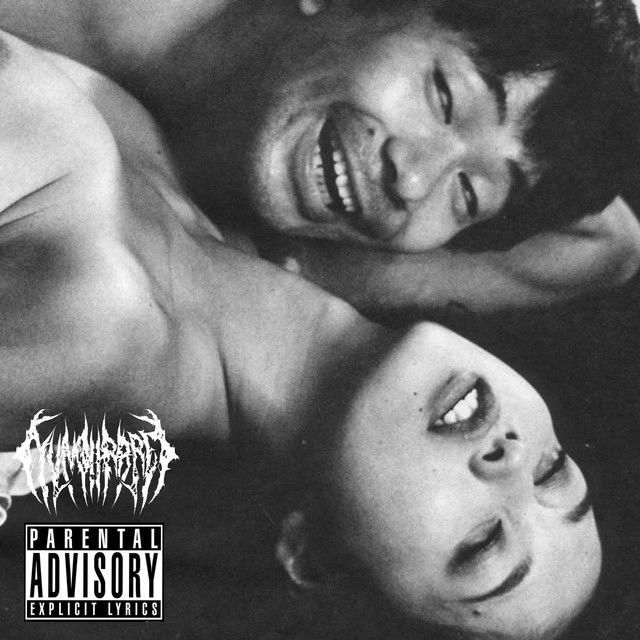
Why "Moshi Moshi" Sounds Numb and Unstoppable
The meaning of Moshi Moshi Yung Rare, Pyrxciter, Young zetton centers on emotional shutdown, violent posturing, and a dark kind of self-creation. The song does not sound like a confession in the usual sense. Instead, they build a horror-rap persona that feels half-asleep, half-invincible, and fully cut off from ordinary feeling.
"Moshi Moshi" - Yung Rare, Pyrxciter, Young zetton
Feels like I'm falling asleep, but I don't wanna wake up
もしもし niggas ain't wanna go there with me
Loading lyrics...
Unable to load lyrics
We're unable to display the lyrics at this time. Please try again later.
At its core, the track turns numbness into power. When the hook says no emotion in me
, it frames the whole song as a portrait of someone who no longer reacts normally to pain, fear, or conflict. That emotional vacancy is not peaceful. It is dangerous.
A Hook That Feels Like a Distress Call
The title word, もしもし
, is a standard Japanese phone greeting, like saying hello on a call. In this song, though, it is used less like a friendly opening and more like an eerie signal. It feels as if they are picking up a line to a dead zone inside themselves.
That matters because the hook mixes drowsiness with threat. The line about falling asleep
suggests depression, dissociation, or a fading grip on reality. But the next thought refuses rest. They do not want peace; they want to remain inside the darkness they already know.
Interpretation: This makes the chorus sound like a battle between collapse and control. They are exhausted, but they also fear what waking up might mean. In that sense, numbness becomes a shield.

Watch the official Moshi Moshi
music video
The Song’s Main Theme Is Emotional Death
One of the clearest ideas in the track is that the speaker feels spiritually or emotionally dead before any physical danger arrives. That is why threats in the lyrics do not sound like ordinary bragging alone. They come from a place where feeling has already burned out.
The phrase I can't die
sounds less like literal immortality and more like a statement of psychic damage. If someone already feels empty, abandoned, or unreal, then death can seem less frightening than it should. That gives the persona a cold edge.
Another key line points to inner corruption through the image of vampirism inside me
. The song uses monster language to describe a damaged self. Rather than saying they are sad or broken in plain words, they turn pain into a supernatural infection.
Rage, Persona, and Horror Imagery
The aggressive parts of the song help explain why the track hits so hard. The threats and confrontational bars are not just there for shock. They create a mask.
In horror-influenced rap, artists often magnify pain into something theatrical and monstrous. That is what happens here. They present themselves as untouchable, hostile, and beyond comparison. The result is a persona that sounds both wounded and inflated.
The Japanese phrase お前はもう死んでいる
—widely recognized in pop culture as “you are already dead”—pushes the song deeper into anime and horror territory. It gives the track a fatalistic mood, as if doom has already been decided.
Interpretation: This is less about realistic violence than about total domination in a symbolic sense. The song wants to sound cursed, larger than life, and impossible to reach.
The Most Personal Lines Change the Song
The darkest emotional turn comes with the repeated address to a father figure and the line about being a product of suicide. That moment shifts the track from pure menace into something more tragic.
Here, the rage starts to look inherited. The song suggests abandonment, family damage, and a search for meaning in the middle of grief. The speaker does not explain this pain in detail, but the reference is strong enough to reframe everything around it.
Father, father why
have you forsaken me?
Those words echo spiritual crisis as much as family pain. They make the song feel less like random darkness and more like a person trying to turn unbearable history into a survivable identity.
How Young zetton’s Verse Expands the World
Young zetton’s section gives the song a different kind of energy. Their verse brings in Japanese language, regional pride, criminal memory, and sharper battle-rap imagery. That broadens the track from a single mood piece into a collaboration built on shared extremity.
There is also a sense of biography in the mention of an old associate and time served. Without overreading it, that detail adds realism to a song full of stylized menace. It grounds the fantasy in lived hardship.
This contrast matters. Yung Rare and Pyrxciter lean into emptiness and cursed identity, while Young zetton adds motion, location, and social history. Together, they make the track feel international but tightly focused.
Why the Production Matters So Much
Even without official production details confirmed here, the sound clearly supports the meaning. The beat is built to feel oppressive: heavy low end, repetitive structure, and a delivery style that favors trance over melody.
That repetition is important. It traps the listener in the same emotional loop as the lyrics. Instead of building toward release, the song circles around the same states: numbness, threat, exhaustion, and defiance.
The vocal tone also matters. They do not sound heartbroken in a vulnerable, open way. They sound flattened, almost frozen. That performance choice makes the hook more unsettling than a louder or more dramatic take would have.
Final Take on the Song’s Meaning
The meaning of Moshi Moshi Yung Rare, Pyrxciter, Young zetton is not just aggression. It is aggression shaped by emptiness, grief, and self-mythology. The song turns emotional shutdown into a horror persona, then hints that the persona exists because ordinary pain became too hard to carry.
That is why the track lingers. It sounds cruel on the surface, but underneath, they are sketching a mind that feels abandoned, sleepless, and already half gone.
Disclaimer: This interpretation is based on the lyrics provided and audible artistic choices. Song meaning can be subjective, and listeners may reasonably hear different emphases in the track.








