
Why “Chain Breaker” Hits So Hard
The meaning of Chain Breaker Zach Williams comes through with unusual clarity: this is a song about spiritual rescue for people who feel trapped in cycles they cannot fix alone. Rather than tell a long story, it speaks straight to the listener’s pain, then answers that pain with a promise of freedom.
"Chain Breaker" - Zach Williams
If you've been hearin' the same old voice tell the same old lies
If you're tryin' to fill the same old holes inside
Loading lyrics...
Unable to load lyrics
We're unable to display the lyrics at this time. Please try again later.
That directness is a big reason the song connected so strongly with Christian audiences in the United States. Released as Zach Williams’ breakout single and later appearing on Chain Breaker, it helped establish him as a major voice in contemporary Christian music. The song is credited to Zach Williams, Jonathan Lindley Smith, and Mia Fieldes.[1][2]
A Message Built for the Stuck and Tired
At its core, the song addresses repetition. The opening describes people walking the same road, hearing the same lies, and trying to fill the same emptiness. Paraphrased, the idea is simple: many people live inside patterns that keep hurting them.
That is why the title image matters so much. A chain is not just one bad moment. It is something that holds a person in place. When the chorus says Jesus is a chain breaker
, the song frames faith as release from bondage, not just comfort during pain.
Interpretation: Those chains can mean sin, addiction, shame, fear, grief, or despair. The lyric never limits the image to one problem, which gives it broad emotional reach.
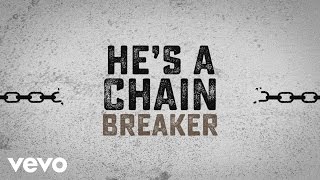
Watch the official Chain Breaker
music video
How the Verses Set Up the Chorus
The verses work by naming common human experiences before offering any answer. They describe exhaustion, deception, and the feeling of trying the wrong solutions again and again. That makes the song feel welcoming rather than preachy, because it begins with shared weakness.
A key line of thought appears in the repeated promise of a better life
. The song does not deny suffering. Instead, it argues that suffering is not the end of the story.
From private pain to shared need
The first verse speaks to “you,” which makes the message intimate. The second broadens that into “we,” showing that struggle is universal. That shift matters. It says brokenness is not shameful or rare.
By the time the chorus arrives, the song has moved from isolation to solidarity. People are no longer alone with their habits or hurt.
Why the Chorus Feels So Powerful
The chorus is built almost like a list of answers. If someone hurts, Christ is a pain taker
. If they feel lost, He is a way maker
. If they need rescue, He is the one who shakes prisons open.
This call-and-response structure gives the song its emotional force. Each problem gets matched with a title, and each title presents Jesus as active rather than distant. He does not just observe pain. He changes conditions.
If you believe itIf you receive itIf you can feel itSomebody testify
That short bridge shifts the song again. It stops describing freedom and starts inviting response. In church language, testimony means publicly telling what God has done. So the bridge turns personal healing into communal witness.
The Faith Language Behind the Song
“Chain Breaker” uses biblical-style imagery without becoming hard to follow. Prisons, freedom, saving, and testimony are all words that connect to Christian teaching about deliverance and salvation. Even listeners who do not know specific Bible passages can understand the emotional message.
Interpretation: The phrase about a prison-shaking Savior likely echoes stories in Scripture where God breaks physical or spiritual confinement. Whether listeners hear it as literal salvation, recovery from addiction, or release from shame, the point stays the same: divine power can interrupt human stuckness.
How the Sound Carries the Meaning
Part of the meaning of Chain Breaker Zach Williams comes from the production as much as the words. The arrangement blends Christian rock, Southern soul, and country-influenced grit. That mix suits the song’s theme because it sounds grounded and lived-in, not polished to the point of distance.
Williams’ voice is central. They sing with a rough edge that communicates experience, strain, and conviction. A smoother vocal might have made the song feel abstract. Here, the grain in the voice helps the promise sound earned.
The build of the track also matters. The verses are measured and steady, then the chorus opens wider with stronger drums and fuller backing support. That dynamic lift mirrors the lyrical movement from struggle into release. By the bridge, the repeated phrases create the feeling of a congregation joining in, which reinforces the idea of testimony.
Artist Context and Why It Connected
Zach Williams emerged in Christian music with a public story shaped by faith, change, and redemption, which made “Chain Breaker” feel aligned with his artistic identity.[1][3] Audiences did not hear the song as a distant theological statement. They heard it as a lived message.
Its reception backed that up. The track became a major Christian radio hit and helped launch Williams into a wider national audience.[2][4] Songs about freedom are common in worship music, but this one stood out because it was plainspoken, singable, and emotionally direct.
A Simple Song With a Wide Reach
One reason the song lasts is that it leaves room for many kinds of listeners. Someone may hear it as a song about salvation. Another may hear recovery language. Another may hear encouragement for anxiety, grief, or shame.
That openness is a strength, not a weakness. “Chain Breaker” never gets lost in complex poetry. It chooses clarity, repetition, and conviction so its core message lands fast: no matter how long someone has felt trapped, freedom is possible.
Final Take on Its Lasting Meaning
The meaning of Chain Breaker Zach Williams is ultimately about hope that does more than soothe. It promises movement, release, and a new direction for people worn down by old roads and old lies.
That is why the song still resonates. It meets listeners in their worst loops, then gives them a vocabulary of rescue.
Disclaimer: This interpretation is based on the lyrics, recording, and publicly available artist context. As with any song, some meanings remain open to personal and faith-based interpretation.









