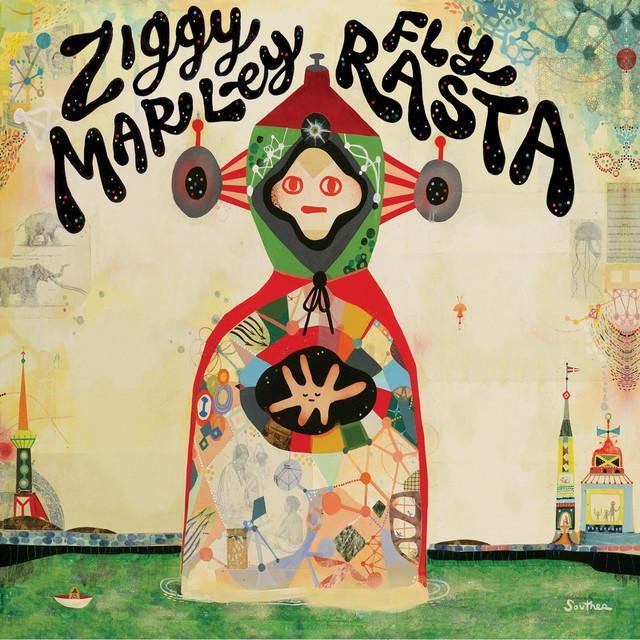
Why “Fly Rasta” Feels Like a Spiritual Anthem
The meaning of Fly Rasta Ziggy Marley, U-Roy starts with identity, but it does not stop there. This song is not only praising a look or a lifestyle. It presents Rastafari as a moral calling: live truthfully, stay disciplined, honor Jah, and refuse corrupt values.
"Fly Rasta" - Ziggy Marley, U-Roy
Dreader than dread, natty got to hold up you head
Redder than red, say Natty rougher than rough
Loading lyrics...
Unable to load lyrics
We're unable to display the lyrics at this time. Please try again later.
Ziggy Marley released “Fly Rasta” as the title track to his 2014 album Fly Rasta, a project widely described as reggae with strong spiritual and roots-minded themes. U-Roy’s appearance matters too. As one of reggae’s foundational deejays, he brings elder presence and classic toasting energy, which helps the song sound like both celebration and instruction.
A Hook That Lifts More Than a Person
When the chorus repeats Fly rasta
, the song turns one phrase into a whole worldview. In plain terms, it says the Rasta figure should rise above pressure, shame, and social confusion. “Fly” suggests uplift, freedom, and dignity.
That is why the hook pairs flight with honor. The song also describes this figure as dreader than dread
and redder than red
. Those lines do not just praise appearance. They intensify the image of someone fully committed, spiritually awake, and impossible to water down.

Watch the official Fly Rasta
music video
Scripture, Separation, and Self-Control
A big key to the meaning is the song’s religious language. Several lines echo biblical ideas about vows, separation, and righteous conduct, especially language associated with holiness and devotion. The reference to avoiding strong drink and letting no razor touch the head recalls Nazarite imagery from the Hebrew Bible, while the parts about the blessed person and the tree by water echo Psalm 1.
Factually, that scriptural texture fits Ziggy Marley’s long-standing engagement with spiritual themes in roots reggae. Interpretation: by blending biblical phrasing with Rastafari language, the song frames Rasta identity as sacred discipline, not fashion.
This is why details like locks matter. The line about no razor
is not random. It represents a refusal to cut away covenant, memory, or spiritual commitment.
What the Verses Say About Right Living
The song moves in a clear pattern. First, it praises the righteous person. Then it warns about evil, foolishness, and bad influence. Finally, it returns to praise, as if the right path has already been shown.
That structure gives the song a sermon-like feel. It teaches through repetition. When it says the faithful person should speak the truth
, it is setting a moral standard. Truth is not treated as private opinion; it is presented as a visible way of life.
One of the strongest ideas is that material survival alone is not enough. The lyric about not living on bread alone pushes beyond physical needs. The song argues that people also need spiritual grounding, meditation, and law. In other words, food can keep the body alive, but only devotion gives life direction.
U-Roy’s Voice Turns Teaching Into Tradition
U-Roy’s interjections are crucial to the song’s impact. His spoken-sung lines feel like commentary from a witness who has seen the culture tested before. He does not interrupt Ziggy’s message; he roots it deeper.
In reggae history, U-Roy helped define the deejay style that later shaped dancehall and hip-hop. Here, his presence gives “Fly Rasta” a bridge between generations. Interpretation: that makes the song sound less like one singer’s opinion and more like inherited wisdom being passed on.
He also sharpens the song’s conflict. When the lyric gestures against Babylon
, it invokes a classic Rastafari symbol for oppressive systems: colonial power, social corruption, and mental captivity. The song never needs to list every injustice. One word carries that whole history.
The Sound Makes the Message Feel Grounded
Musically, “Fly Rasta” supports its meaning through patience and warmth. The groove is steady rather than aggressive. The bass sits deep in the mix, the drums lean into a classic one-drop feel, and the vocals move between melody and chant.
That matters because the song is not arguing in a rushed way. It sounds settled. The production gives the message authority, as if these truths are being remembered rather than invented on the spot.
The call-and-response sections also help. They make the song feel communal. Instead of a lone voice preaching at listeners, it sounds like shared affirmation. That matches the lyric’s larger purpose: to lift a people, not just praise one person.
Two Strong Readings of the Song
There are at least two useful ways to read it:
- Spiritual reading: the song is about holiness, devotion, and living under Jah’s guidance.
- Cultural reading: the song defends Rastafari identity against shallow stereotypes and outside pressure.
These readings do not cancel each other out. They strengthen each other. In reggae, spiritual life and cultural resistance often meet in the same lyric.
“Blessed is the man”
“like the tree planted by water”
Even in this brief passage, the song points to stability. The righteous person is not drifting. They are rooted, nourished, and able to endure dry seasons.
Why “Fly Rasta” Still Connects
The meaning of Fly Rasta Ziggy Marley, U-Roy lasts because it joins pride with responsibility. It says identity means little without conduct. To be “fly” in this song is not to be trendy. It is to be faithful, truthful, and spiritually strong.
That is what gives the track its staying power. It praises locks, roots, and dread, but it also asks for discipline, meditation, and courage. The outer image only means something because of the inner vow behind it.
Interpretation disclaimer: This article offers a close reading based on the lyrics, reggae tradition, and artist context. Since songs can carry personal and spiritual meanings, listeners may hear different layers in “Fly Rasta.”







