Why ‘Zombie’ by Lecrae Feels Like a Testimony
The meaning of Zombie Lecrae comes into focus fast: this is a conversion story told with street-level detail. Rather than using the zombie image for horror, Lecrae uses it as a metaphor for spiritual numbness. They describe a person who is moving, chasing, spending, and performing toughness, but is empty inside.
"Zombie" - Lecrae
Yeah
I was like a zombie
Loading lyrics...
Unable to load lyrics
We're unable to display the lyrics at this time. Please try again later.
That makes the song less about monsters and more about moral sleepwalking. It is a testimony track, built on the contrast between who they were and who they believe they became.
A Hook About Being Alive but Not Living
At the center of the song is the repeated line I was like a zombie
. Lecrae pairs that image with 'til I was awakened
, which gives the whole record its main tension. The point is not just that they made bad choices; it is that they felt disconnected from purpose, conscience, and God.
The chorus also lists the false goals that shaped that older life, including chasin' all the Barbies
and tryna get the bacon
. Paraphrased, that means chasing women, money, image, and quick validation. The hook is simple on purpose: it names temptation in blunt, memorable terms, then turns the song toward awakening.
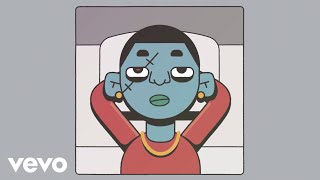
Watch the official Zombie
music video
The Verses Tell a Before Story
Lecrae fills the verses with snapshots instead of abstract preaching. They mention running with friends, drinking, drugs, violence, brushes with the law, and sexual confusion. That detail matters because it keeps the song grounded in lived experience.
Just as important, the lyrics show consequences. A hard exterior hides damage underneath, summed up in the phrase heart feel like a chew toy
. That line suggests emotional wear, not confidence. The song’s speaker may look wild and fearless, but the inside is already torn up.
Another strong detail is the family perspective. His mother is stressed, his grandmother tells him to wait on God, and an aunt sees something gifted in him. Those references widen the story. This is not only about private sin; it is also about how self-destruction hurts the people who love them.
Darkness, Flesh, and the Turning Point
The song’s clearest spiritual language appears when Lecrae says they were in the dark and were chasing the flesh. In Christian language, “flesh” often means appetite without discipline: desire ruling the person instead of the person ruling desire.
That is where the zombie metaphor becomes sharper. A zombie acts on hunger and impulse. Interpretation: Lecrae uses that image to suggest a life governed by craving rather than conscience.
The turning point arrives when the song says God’s voice breaks through and Jesus calls him. This is the hinge of the whole track. Everything before that moment feels trapped in repetition; everything after it is framed as awakening.
Why the Family Mentions Matter So Much
Some of the song’s most moving lines are not about crime or pleasure. They are about elders praying and worrying. That gives the track a testimony structure common in gospel and Christian rap: someone falls deep into danger, but grace reaches them partly through a praying family.
That detail also helps explain why Fred Hammond is among the credited writers. Hammond is a major gospel figure, and his presence in the credits connects the song to a wider Black gospel tradition of witness, rescue, and praise. The credited writers provided in the song information are Fred Hammond, Lecrae Devaughan Moore, and Tommie Walker.
How the Sound Carries the Message
Even without diving into studio specifics, the production supports the theme well. The beat is sleek, repetitive, and easy to chant along with, which mirrors the cycle of the old life: the same cravings, the same flexes, the same emptiness. Then Lecrae’s delivery gives the words urgency.
There is also a smart contrast between sound and subject. The song is catchy enough to feel almost celebratory, but the lyrics describe danger, shame, and spiritual exhaustion. That tension helps the record work. It sounds like the world that once attracted him, while the message critiques that world from the inside.
A Clear Testimony, Not a Perfect Biography
Listeners should hear “Zombie” as a testimony song, not a full autobiography. Songs compress time, heighten details, and arrange memory for impact. Interpretation: some scenes may function as representative moments, not a minute-by-minute life record.
Still, the emotional arc is clear:
- numbness and reckless living
- damage hidden under bravado
- family concern and prayer
- divine interruption
- awakening and gratitude
That structure is what gives the song its power. It turns confession into witness.
The Bigger Meaning of Zombie Lecrae
The meaning of Zombie Lecrae is ultimately about spiritual resurrection before physical death. Lecrae presents a person who looked active on the outside but was inwardly asleep. Money, sex, gang identity, and intoxication all promised life, yet only deepened the deadness.
By the end, the song argues that awakening is possible. Not through image management, but through God’s call, family prayer, and a changed identity. That makes “Zombie” more than a warning. It is a song about rescue.
Final Thought
For casual listeners, “Zombie” works as a catchy personal narrative. For closer listeners, it is a testimony about numbness, temptation, and grace.
Disclaimer: This interpretation is based on the song’s lyrics, credits, and Lecrae’s broader artistic themes. As with any song, some meanings remain open to listener interpretation.








