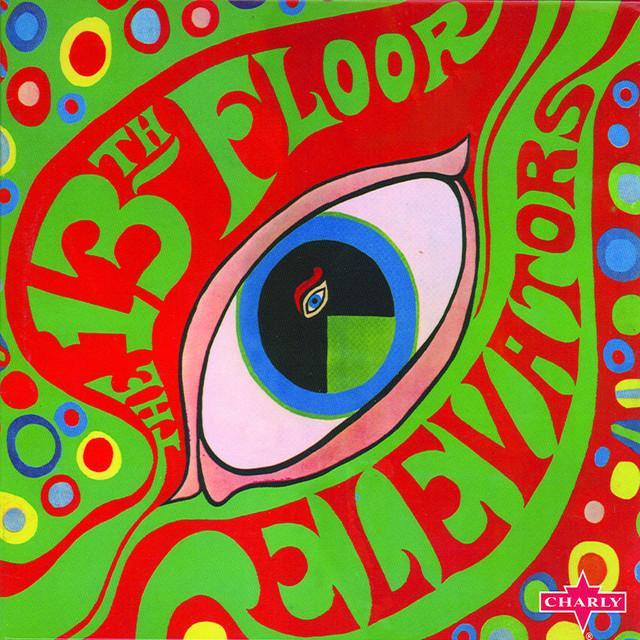
Why ‘You’re Gonna Miss Me’ Still Feels Unhinged
The meaning of You're Gonna Miss Me 13th Floor Elevators starts with a simple breakup idea, but the song hits much harder than an ordinary farewell. On the surface, they present a hurt narrator telling an ex that she will regret taking him for granted. Under that, the record turns wounded pride into something frantic, unstable, and almost prophetic.
"You're Gonna Miss Me" - 13th Floor Elevators
Ah
You're gonna wake up one morning as the sun greets the dawn
Loading lyrics...
Unable to load lyrics
We're unable to display the lyrics at this time. Please try again later.
Released first as a single in January 1966 and later included on The Psychedelic Sounds, the song became the band’s only U.S. Hot 100 hit, peaking at No. 55. That chart fact matters because it shows how a strange, regional Texas record crossed into mainstream ears without losing its rough edges.
A Breakup Song With Teeth
At its core, the song is about delayed regret. The narrator believes his partner did not value him while he was present, but she will feel his absence once he leaves. That is the emotional engine behind the repeated warning you’re gonna miss me
.
This is not a plea to stay. It is closer to a declaration of exit. When the singer insists I’m gone
and later repeats I’m not comin’ home
, they frame the breakup as final. The song’s force comes from that mix of injury and certainty: he feels wronged, but he also wants the last word.
Watch the official You're Gonna Miss Me
music video
The Story Unfolds in One Fierce Burst
The lyrics move in a clear sequence:
- He predicts she will wake up and notice his absence.
- He says he warned her already.
- He accuses her of not needing his love when she had it.
- He leaves, and he refuses to return.
That structure helps explain why the song feels so immediate. There is almost no reflection. Instead, it sounds like an emotional explosion caught in real time.
You didn’t realizeyou didn’t realize
Those lines are short, but they matter. They sum up the narrator’s complaint: the relationship failed because his value was recognized too late.
What the Chorus Really Means
The hook is catchy, but it is also defensive. Interpretation: when they repeat miss me, baby
, the singer is trying to turn pain into power. He may be heartbroken, yet he refuses to sound weak. So the chorus becomes a boast, a threat, and a self-comforting mantra at the same time.
That emotional double meaning is a big reason the song lasts. Plenty of breakup songs say, “You will regret this.” Fewer make that message sound both triumphant and desperate.
Roky Erickson’s Voice Sells the Wound
A lot of the song’s meaning lives in the performance, not just the words. According to the song’s Wikipedia entry, Roky Erickson wrote the song, though an earlier prompt context naming Sam Hopkins appears incorrect. Erickson had already cut an earlier version with his pre-Elevators band, the Spades.
His vocal on the 13th Floor Elevators recording is famous for its yelps, shrieks, and cracked intensity. He does not sound calmly vindicated. He sounds possessed by the feeling. That matters because it complicates the lyric. If the words alone suggest swagger, the voice reveals distress underneath.
Interpretation: the record may be saying, “You will miss me,” but the vocal also asks, “Why didn’t you love me right when I was here?”
How the Sound Creates the Song’s Meaning
This is where the record becomes more than garage-rock heartbreak. Producer Gordon Bynum recorded the song in Houston on January 2, 1966, using a three-track setup. Much of the band played live, which helps explain its raw, airborne energy.
The standout sound is Tommy Hall’s amplified electric jug, one of the record’s most famous features. Instead of smoothing the arrangement, the jug makes it wobble and buzz like a mind under pressure. Combined with Stacy Sutherland’s driving guitar and the hard, simple beat, the track feels like a nervous system pushed to overload.
That production deepens the lyric’s message. The narrator is not just leaving. He is bursting out of the relationship with a mix of anger, ego, and psychic chaos. Critics often call the song a garage-rock and psychedelic-rock landmark, and that fits: it takes a basic romantic grievance and makes it feel hallucinatory.
More Than a Personal Threat
There is also a wider cultural angle. In 1966, the 13th Floor Elevators stood near the front edge of American psychedelic rock. Their outlaw image, drug busts, and strange stage presence gave the song extra voltage. When they performed on American Bandstand, Tommy Hall reportedly joked, “We’re all heads,” which captured the group’s counterculture identity.
Because of that setting, the song can sound bigger than one failed romance. Interpretation: it can also be heard as a declaration of difference. The voice is saying not only “you lost me,” but also “you failed to understand what stood in front of you.” That reading fits the repeated insistence that the other person never truly recognized his worth.
Some writers have also noted an alternate reading linked to Erickson’s life: the phrase could point to personal absence in a broader family sense, not only a lover’s regret. That is possible, though the clearest textual meaning remains romantic separation.
Why It Still Connects
The song endures because it is simple at the lyric level and explosive at the sound level. Anyone can understand the basic feeling of being overlooked. What makes this record special is how violently that feeling is delivered.
The meaning of You're Gonna Miss Me 13th Floor Elevators is not subtle: someone leaves, convinced the other person will regret it. But the performance keeps it from sounding one-note. They turn a common breakup message into a vivid portrait of pride, hurt, and emotional unraveling.
That is why the song still feels alive. It does not just describe regret. It makes regret sound loud, messy, and impossible to ignore.
Disclaimer: This interpretation separates documented facts from informed reading. As with most songs, listeners may hear different meanings in the same words and performance.







