Why ‘Brenda’s Got a Baby’ Still Hurts
A protest song disguised as a story
The meaning of Brenda's Got A Baby 2Pac starts with a hard truth: this is not just a song about one girl. It is a song about a whole system failing a child.
"Brenda's Got A Baby" - 2Pac
Got a (got a)
Baby
Loading lyrics...
Unable to load lyrics
We're unable to display the lyrics at this time. Please try again later.
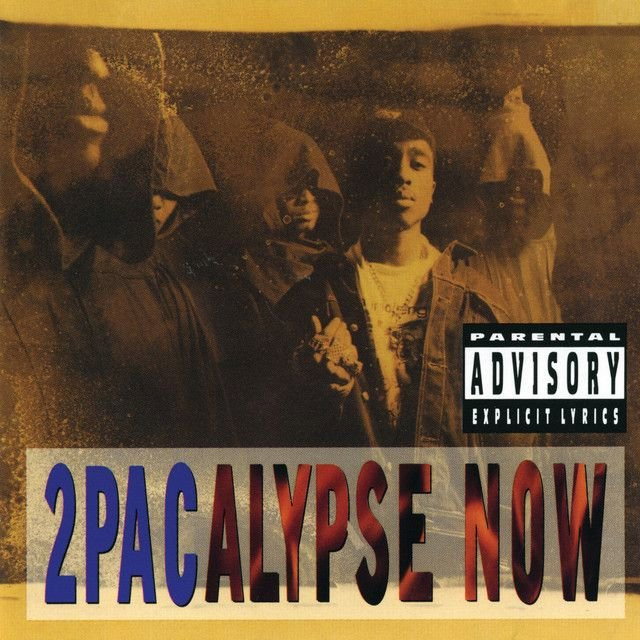
Released in 1991 on 2Pacalypse Now, the track is one of 2Pac’s earliest and strongest examples of social storytelling. According to widely cited background on the song, 2Pac wrote it after reading a newspaper story about a very young girl who gave birth and abandoned the baby in a trash heap. That real-world source helps explain why the song feels so specific and so angry. It was not invented as shock value; it was written as witness.
In the opening, 2Pac frames Brenda as someone the world has already judged. He says Brenda's got a baby
, but the song quickly shifts away from gossip and toward blame that belongs to adults, family structures, poverty, and public neglect. That is the core of the song’s message.
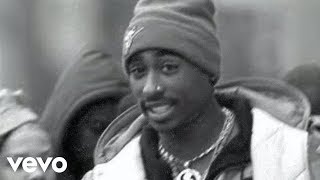
Watch the official Brenda's Got A Baby
music video
More than Brenda: the circle of neglect
On the surface, the plot is simple and devastating. Brenda is a 12-year-old girl. She is abused, becomes pregnant, hides it, gives birth alone, panics, loses support, and is pushed into survival choices that end in death.
But 2Pac keeps widening the frame. He directly asks listeners to see how one family tragedy affects our whole community
. That line matters because it rejects the idea that Brenda’s life is only a private failure. The song argues that when a child is ignored, everyone is part of the aftermath.
Interpretation: The track is really about social abandonment. Brenda is the face of it, but the target is bigger: broken homes, absent care, poverty, and the way poor Black girls are often judged before they are helped.
How the verses build the tragedy
A timeline that keeps closing doors
The storytelling is one of the song’s greatest strengths. Each verse removes another possible escape.
- Brenda grows up in instability.
- She is exploited by someone close to her.
- Her pregnancy is hidden rather than supported.
- She gives birth alone in panic.
- Her family treats her like a burden.
- Poverty narrows her choices until violence ends her story.
That structure matters. 2Pac does not portray Brenda as making one bad choice and paying for it. He shows a chain of pressures. Even the shocking image of the baby in the trash is presented as the result of fear and isolation, not cartoon evil.
A key lyric phrase is she didn't realize
. In plain terms, the song presents Brenda as a child making life-and-death decisions without guidance. That keeps the focus on vulnerability rather than moral judgment.
The hook turns gossip into grief
The chorus repeats the title over and over, almost like a neighborhood rumor. At first, that repetition sounds simple. Then it becomes haunting.
Don't you know she's got a babyso all alone with a baby
Those short lines turn the title from a headline into a cry for help. The hook is not celebrating drama. It shows how people can notice a scandal before they notice suffering.
Interpretation: The repetition mirrors public reaction. People know Brenda had a baby, but they do not really know Brenda. That gap is the emotional wound of the song.
Sound that carries the pain
The production is restrained, which is a big reason the song lands so hard. Credited to The Underground Railroad with 2Pac also receiving production credit in major reference sources, the beat does not crowd the story. Instead, it leaves room for the narrative and for the sadness in the background vocals.
The track’s soft R&B touches, including background vocals associated with Dave Hollister and Roniece Levias in song credits, add a mournful feeling instead of aggression. That choice is important. A harder beat might have made the song feel preachy or sensational. This arrangement makes it feel human.
2Pac’s vocal delivery also shifts with the story. He sounds observant in some lines, then furious, then deeply sad. That movement helps listeners hear both sides of his role: they are a narrator, but also a witness who cannot stay detached.
Why this song mattered for 2Pac
Many listeners first think of 2Pac as fiery, confrontational, and political. This song shows another side that was always there: empathy. Long before later classics, they were already writing from the point of view of people society ignored.
That is why the song is often described as an early example of conscious hip-hop. It reached No. 3 on Billboard’s Hot Rap Songs chart and helped define 2Pac’s reputation as a writer who could connect street reality with bigger social questions.
The black-and-white video, directed by the Hughes brothers, deepened that effect by presenting the story as bleak realism. Its opening claim that it is based on a true story reinforces the song’s documentary feel, even though it uses actors.
The hardest line in the song’s worldview
Near the end, Brenda sees sex work as a way of leaving hell
. That phrase is brutal because it captures the song’s darkest point: survival itself becomes dangerous. She is not choosing freedom in any real sense. She is cornered.
This is where the meaning of Brenda's Got A Baby 2Pac becomes clearest. The song insists that personal tragedy can grow from public failure. Brenda needs safety, care, food, and protection. Instead, she gets stigma and exploitation.
Final takeaway
What makes “Brenda’s Got a Baby” endure is its refusal to flatten Brenda into a warning sign. 2Pac tells a tragic story, but they also ask who failed before the tragedy happened.
That is why the song still hurts. It is not only about one girl, one baby, or one terrible ending. It is about how easily a community can hear distress and still do nothing.
Disclaimer: This article offers a good-faith interpretation of the song based on lyrics, documented background, and cultural context. Some meanings remain interpretive rather than definitive.







