Why 'Shorty Wanna Be a Thug' Hits So Hard
A cautionary story hiding inside a street anthem
The meaning of Shorty Wanna Be a Thug 2Pac comes down to one central idea: they are not celebrating a young person becoming hardened by street life so much as showing how that identity gets built. On the surface, the song sounds blunt and tough. Underneath, it is a warning about imitation, pressure, loneliness, and the way a teenager can start performing danger until it becomes real.
"Shorty Wanna Be A Thug" - 2Pac
Shorty's gonna be a thug
Said he gonna be
Loading lyrics...
Unable to load lyrics
We're unable to display the lyrics at this time. Please try again later.
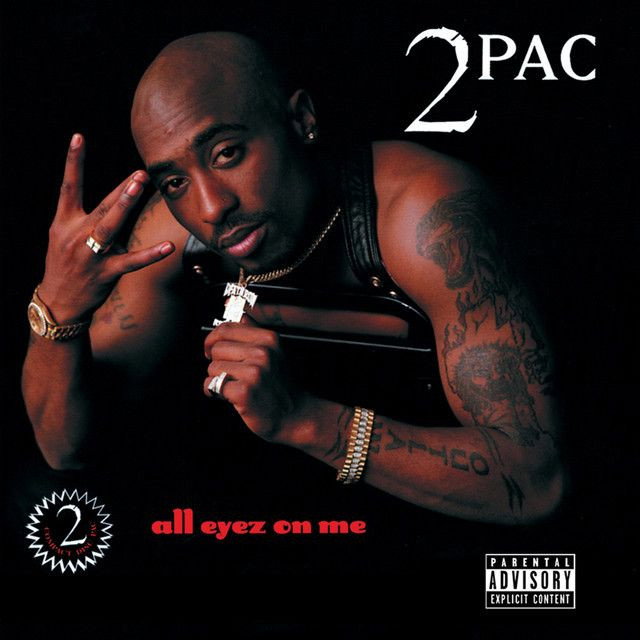
The song appears on All Eyez on Me, released in 1996, and it is commonly credited to 2Pac with production tied to Johnny J and writers including Tupac Shakur, Johnny Lee Jackson, Douglas Fraser Edwards, and Thomas David Richardson. It also draws from Hank Crawford's "Wildflower," a sample detail noted by fan and music reference pages that track the song's credits and history.
That context matters. All Eyez on Me is often remembered as a huge, confident double album. But this track slows the mood and turns inward. Instead of pure bravado, 2Pac gives listeners a portrait of a kid being shaped by his surroundings.
Watch the official Shorty Wanna Be A Thug
music video
The chorus gives away the tragedy
The repeated hook, Shorty's gonna be a thug
, sounds simple, but it carries the whole song's sadness. The key idea is not that the future is open. It sounds fixed, almost like a sentence already handed down.
That repetition makes the identity feel learned and repeated by the neighborhood itself. A child hears what he is supposed to become, and soon he starts saying it too. In that sense, the chorus works like social conditioning set to music.
Interpretation: the hook is fatalistic on purpose. It shows how street identity can be treated like destiny when it is really a result of influence, neglect, and survival.
From middle-class kid to hardened image
One of the strongest details in the first verse is that the boy starts as a nice middle class
kid. That matters because 2Pac is pushing back against a lazy idea that violence comes from only one background. The song suggests that the desire to appear feared can spread across class lines.
Soon, the teenager is already only sixteen
and caught in adult trouble. 2Pac links smoking, small-time hustling, and the need to look fearless with the bigger machinery of the system: arrests, prison, and status among older men. The kid wants acceptance, not just money.
That emotional need is the song's hidden engine. When the narrator says he is lookin' for some love
, the song cuts through its own hard shell. The young man is not only chasing danger. They are chasing belonging.
How the verses build a cycle
Stage one: image becomes ambition
At first, the song shows imitation. The teenager starts talking like the older guys and treating street rules as a path to manhood. Advice like staying in school gets rejected because the local code feels more immediate.
Stage two: survival turns into identity
By the next stage, the persona is no longer pretend. The young man is armed, watched, and moving through a world where violence feels normal. The phrase my role model
points to a vacuum where family or safer guides should be.
Stage three: the future narrows
The second verse becomes even darker. There is isolation, criminal exposure, and a sense that the future is closing. By then, the song is no longer asking what the kid wants. It is showing what the environment has prepared him to become.
Gotta stay sharp
play your part
Watch the signs
This brief outro moment sounds like rough advice from the block, but it also feels chilling. Even the warning comes in the language of the same world that created the problem.
The production supports the message
A lot of the song's power comes from its sound. Sources on the track note that it samples Hank Crawford's "Wildflower," and that soulful base gives the record a reflective feel instead of a triumphant one. The groove is steady, almost hypnotic, which mirrors how the cycle in the lyrics keeps repeating.
Johnny J's production style often balanced warmth with hardness, and that contrast is important here. The beat does not rush. It leaves room for 2Pac's voice to move between observation and embodiment. He does not sound distant from the character; he sounds close enough to understand him.
That closeness is one reason the song still lands. 2Pac is not studying the kid from outside. They are stepping into his mindset and showing how the performance of toughness gets rewarded until it becomes a trap.
Artist context changes the reading
2Pac often wrote from multiple angles: witness, participant, critic, and mourner. That complexity shapes this track. According to a summary preserved on the Tupac fan wiki, producer Johnny J said 2Pac wanted to explore the mindset of youths who aspired to that identity, not just describe crime from a distance.
That matches the song itself. There is no clean moral speech. Instead, listeners get a lived-in narrative full of temptation, bravado, and pain. A 2021 HotNewHipHop retrospective even called it a cautionary tale, which fits the song's arc.
Final takeaway on the song's meaning
The meaning of Shorty Wanna Be a Thug 2Pac is that becoming a "thug" is shown less as a natural trait than as a social process. The song tracks how a young person absorbs pressure, copies older figures, searches for love, and gets pulled into a role that starts to look unavoidable.
That is why the song feels heavier than its hook first suggests. It is not just about toughness. It is about how communities, institutions, and emotional neglect can teach someone to confuse danger with identity.
Disclaimer: This interpretation is based on the lyrics, the song's production, and publicly available background on the track. As with any art, listeners may hear different meanings.








