
Why 2Pac’s ‘Unconditional Love’ Still Hurts
The meaning of Unconditional Love - Greatest Hits Version 2Pac centers on a simple but powerful idea: love can survive poverty, violence, guilt, and fear. In this song, they present love not as romance first, but as a lifeline. It comes from a mother, from close friends, from a child, and from a community that keeps struggling.
"Unconditional Love - Greatest Hits Version" - 2Pac
Unconditional Love (no doubt)
Talking bout the stuff that don't wear off
Loading lyrics...
Unable to load lyrics
We're unable to display the lyrics at this time. Please try again later.
Released on 2Pac’s posthumous Greatest Hits, the track was written by Tupac Amaru Shakur and Johnny Lee Jackson, also known as Johnny J. That context matters. Because it arrived after his death, the song can sound almost like a message left behind: bruised, reflective, and still trying to comfort other people.
The Heart of the Song Is Bigger Than One Relationship
At first, the title suggests a love song. But the track is wider than that. They move through several kinds of devotion, showing how steady care can exist even in unstable lives.
The opening frames that idea directly with unconditional love
. Rather than treating love as something earned, the song treats it as something given through hard times. That is why the verses keep returning to loss, hunger, and pressure. The point is not that life is easy. The point is that love remains when life is not.
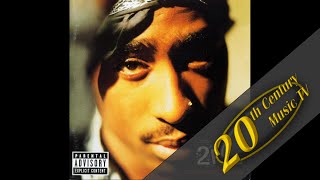
Watch the official Unconditional Love - Greatest Hits Version
music video
A Voice Split Between Pain and Protection
One reason the song hits so hard is the speaker’s double role. They are wounded, but they also want to protect others. In one verse, the voice looks back at childhood poverty, broken family life, and a mother doing her best. In another, they speak to friends caught in street survival. Later, they sound like a father or guardian trying to calm a child.
That shifting focus gives the song emotional range. They are not asking only to be loved. They are also trying to pass love on.
tomorrow comes after the dark
you will always be in my heart
Those lines sum up the song’s promise: pain is real, but it is not the final word.
Childhood, Shame, and a Mother’s Embrace
The strongest section may be the childhood memories. They describe growing up without comfort or status, seeing their mother struggle, and feeling like a burden inside the home. When the verse turns toward a hug from their mother, the whole song sharpens.
This is one of 2Pac’s great themes across his catalog, especially in songs that honor Black motherhood and survival under pressure. Here, a parent’s care is not sentimental decoration. It is what keeps the speaker alive emotionally.
Interpretation: the mother figure represents more than one person. She can be read as both a real parent and a symbol of mercy itself. When everything else feels conditional—money, safety, respect—her love does not.
Friends, the Block, and Love in Public Life
The middle of the song expands outward. They talk about friends, hustling, prison, and the need to feed a family. Even here, the track does not glorify suffering. Instead, it sounds tired of the cycle.
A key phrase is we could never be enemies
. In plain terms, they are saying loyalty matters more than conflict. The verse imagines a neighborhood that could heal if violence, intoxication, and constant retaliation eased up.
That idea connects to 2Pac’s larger public image. He was often cast as a symbol of conflict, but songs like this show how often he wrote about repair, responsibility, and emotional honesty. As the Rock & Roll Hall of Fame notes in its overview of his career, his work combined political urgency with deep personal feeling.
The Chorus Turns Hope Into a Discipline
Musically and lyrically, the chorus is what makes the song feel prayerful. The repeated message about seeing lessons, carrying the future inside, and moving through darkness gives the track a steady pulse.
This chorus does not deny suffering. It answers it. The hook keeps returning like a hand on the shoulder, especially after verses full of death, stress, and self-doubt.
The short phrase future's still inside of me
matters because it pushes against despair. They may feel cornered, but they are not empty. There is still purpose left.
How the Sound Supports the Meaning
Johnny J’s production is crucial to the song’s emotional effect. The beat is smooth, warm, and patient, with a gentle groove that leaves space for reflection. It does not rush the verses. That restraint lets the words land.
The melody in the hook softens the edges of the track without weakening it. Instead of sounding triumphant, the music sounds durable. That fits the message perfectly. Unconditional love here is not flashy. It is quiet endurance.
2Pac’s vocal delivery also shapes the meaning. They do not rap every line with anger. There is fatigue in the voice, but also tenderness. When the performance dips into a softer tone, the song stops sounding like a speech and starts sounding like a confession.
A Final Verse Full of Fear and Grace
The last verse blends ambition with dread. They mention success, dreams, and money, but none of those things feel solid. Fame appears fragile, almost hollow. What lasts is care for the next person, especially the child addressed near the end.
That is why a phrase like baby don't cry
changes the song’s balance. It shifts from autobiography to reassurance. The speaker may be struggling, but they still want to leave someone else with comfort.
Interpretation: this ending can be heard as a legacy statement. Material wins fade. What remains is whether they loved people well.
What ‘Unconditional Love’ Ultimately Means
The meaning of Unconditional Love - Greatest Hits Version 2Pac is that love becomes most valuable when life is hardest. The song ties together family pain, street pressure, spiritual longing, and hope for the next generation. It argues that real love does not disappear when someone is scared, broke, guilty, or imperfect.
That is why the track still resonates. It lets 2Pac sound vulnerable without losing strength. They are not claiming love fixes everything. They are saying it helps people survive what should break them.
Disclaimer: This article offers an interpretation based on the song’s lyrics, recording context, and available credits. Like many 2Pac songs, it can support more than one reading.







