Why 'Closer to the Edge' Still Feels Defiant
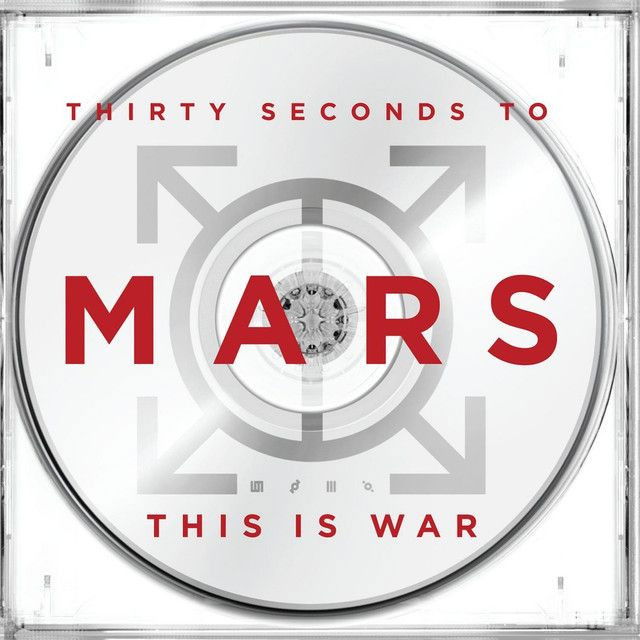
For many listeners, the meaning of Closer to the Edge 30 Seconds to Mars comes down to one feeling: pushing forward when life feels unstable. Released as a single from This Is War, the song turns struggle into momentum. It is not a quiet reflection. It is a loud, communal anthem about standing at a breaking point and choosing motion instead of surrender.
"Closer to the Edge" - 30 Seconds to Mars
I lost myself, is it better not said
Now I'm closer to the edge
Loading lyrics...
Unable to load lyrics
We're unable to display the lyrics at this time. Please try again later.
Factually, the song was written by Jared Leto and appears on the band’s 2009 album This Is War. It was later released as a single in 2010, with production by Thirty Seconds to Mars and Flood. It also became one of the band’s better-known crossover songs, reaching multiple rock and pop-leaning charts.
At the Brink, Not Over It
At its core, the song describes a person who has been tested, changed, and pushed near a limit. But that “edge” is not simply about collapse. It is the place where fear, freedom, and identity meet.
The opening lines frame memory and damage together. When the narrator says I lost myself
, the song suggests disorientation after hard experiences. But it quickly flips that pain into movement with closer to the edge
. In other words, the edge is not just danger. It is also a threshold.
Interpretation: They seem to present the edge as a necessary place. Growth may only happen when comfort is gone. That idea fits the larger emotional world of This Is War, an album built around conflict, survival, and endurance.

Watch the official Closer to the Edge
music video
The Lyrics Turn Chaos Into Purpose
One reason the song connects so well is that it keeps its language broad. It does not tell a detailed story with names, places, or clear plot points. Instead, it uses emotional snapshots.
The line about impossible odds, summed up in a thousand to one
, creates pressure right away. Then the song pushes further with imagery of burning down and taking someone along for the ride. That sounds reckless on the surface, but the bigger idea is shared risk. This is not isolation. It is a collective leap.
Later, the song imagines a better moral world with the truth ran free
. That phrase gives the song a wider social meaning. It is not only about personal crisis. It may also be about disappointment with the world, with broken ideals, or with dreams that did not survive reality.
I will never forget
I will never regret
I will live my life
This is the emotional center of the song. After confusion and conflict, the message becomes simple: remember, refuse shame, and keep going.
No Apology, No Erasure
The repeated refusal to say sorry is one of the song’s most striking ideas. In plain terms, the narrator is not asking to be forgiven for becoming who they are.
That does not necessarily mean cruelty or arrogance. Interpretation: It sounds more like self-acceptance after pressure. The song’s speaker has made peace with scars, losses, and hard choices. The possibility that maybe we'll meet again
adds some softness, though. There is distance here, but not total hatred.
That tension matters. The song balances defiance with sadness. It is powerful because it does not pretend strength feels clean. It feels costly.
How the Sound Builds the Message
Musically, “Closer to the Edge” helps deliver its meaning through lift and scale. Though often tagged as progressive rock, it also has a polished, chant-ready structure that makes it feel huge in arenas. Former guitarist Tomo Miličević once described it as the band’s “pop” song, while saying it still had “rock glory.” That is a useful description because the track really does work in two ways.
First, the rhythm section drives the song forward with a steady, almost marching pulse. Second, the guitars and layered vocals make the chorus feel communal rather than private. The hook sounds like something built to be shouted back by a crowd, which matches the lyric’s move from inner struggle to group release.
Jared Leto said the track almost did not make the album and was hard to mix, calling it a “mission” and an “adventure.” That backstory fits the song’s spirit. Even in production, it seems to have been a fight to reach clarity.
The Album Context Matters
The song lands differently when heard inside This Is War. That album was made during a turbulent period for the band, and many of its songs deal with resistance, identity, and persistence. “Closer to the Edge” fits that frame perfectly.
Rather than sounding defeated, it transforms conflict into a kind of rallying cry. That may explain why the track connected so strongly in live settings and why its video, built from tour footage and fan presence, feels so natural. The song is not only about one person’s edge. It becomes everyone’s.
More Than Rebellion
There is an easy way to hear this song as simple rebellion: no apologies, no regrets, full speed ahead. But that reading is too small.
Interpretation: A deeper reading is that the song is about surviving identity loss and choosing life anyway. The repeated promises not to forget or regret suggest that pain will be carried, not erased. The goal is not innocence. The goal is conviction.
That is why the song still resonates. It speaks to listeners who feel caught between the past and the future, between damage and action. It tells them the edge can be terrifying, but it can also be where a person finally becomes honest with themselves.
Why It Still Connects
The meaning of Closer to the Edge 30 Seconds to Mars is ultimately about living without shrinking after hardship. Its lyrics turn memory into resolve. Its production turns private stress into a public anthem. And its chorus keeps returning to the same challenge: if they are already near the limit, what will they do next?
For this song, the answer is clear. They keep moving.
Disclaimer: This interpretation blends documented facts about the song with informed reading of its lyrics and sound. As with any song, meaning can vary from listener to listener.








