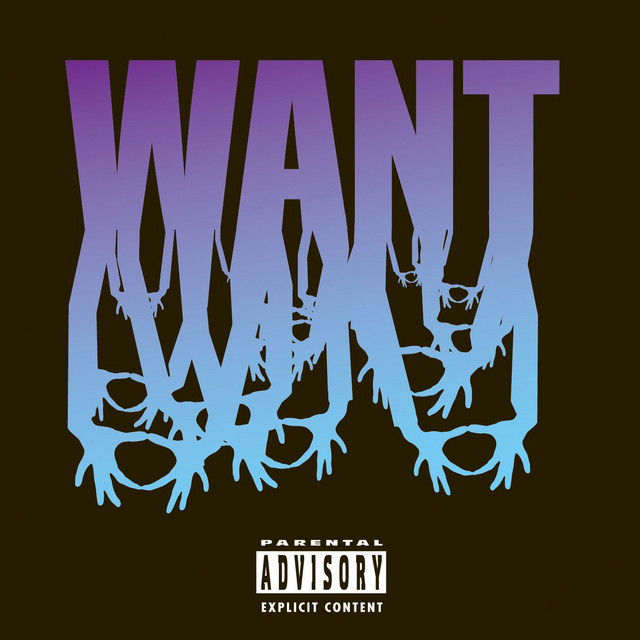
Why 'PUNKBITCH' by 3OH!3 Hits So Hard
The meaning of PUNKBITCH 3OH!3 sits in a tense space between party swagger and emotional fallout. On the surface, they sound loud, rude, and ready for chaos. Under that surface, the song hints at a broken connection they are trying to laugh off.
"PUNKBITCH" - 3OH!3
I'm talking mad shit,
Come up in the club I'm 'bout to get my ass kicked,
Loading lyrics...
Unable to load lyrics
We're unable to display the lyrics at this time. Please try again later.
3OH!3 built their name on bratty electro-pop, mixing rap chants, synth hooks, and a style that could sound both playful and obnoxious. That matters here. The song uses shock, repetition, and club imagery not just to start a party, but to mask vulnerability.
Beneath the Insult, There Is a Bruise
At first, the track presents a familiar 3OH!3 scene: they walk into the club, talk big, drink hard, and stir trouble. Phrases like mad shit
and actin' mad dumb
make the speaker sound reckless on purpose. They are performing a version of confidence that is too exaggerated to feel fully stable.
Interpretation: That performance is the point. Instead of calmly explaining hurt, they turn pain into spectacle. The song's title becomes a weaponized label, but also a shield.
The chorus repeats I've seen it before
and I don't care anymore
. Those are key lines for the song's meaning. They suggest this is not a random insult aimed at a stranger. They are talking to someone whose behavior feels familiar, maybe someone who sends mixed signals, disappears, or pulls them back into a cycle they already know.

Watch the official PUNKBITCH
music video
The Story Hides Inside the Flexing
The verses are full of nightlife details, but they are not only there for atmosphere. They help frame a narrator who would rather boast than admit confusion.
A quick timeline of what the lyrics suggest
- They enter the club acting larger than life.
- They lean into drinking, flirting, and showing off.
- They hint at a past connection that turned unstable.
- They end up back in memory, not just in the party.
That pivot matters. Midway through the song, the imagery stops being only about bottles and status. The writing turns more personal with references to photos, lockets, keys, and conflicting body language.
Your fingers say to come,but your eyes say I should stop it
This is the clearest emotional clue in the song. They describe desire and warning happening at the same time. In plain terms, they seem drawn to someone who invites closeness while also signaling danger or hesitation.
Why the Locket Imagery Changes Everything
The strongest section is the final verse. The line about a picture in a box inside a locket shifts the song from shallow trash-talk into something more revealing. A locket usually symbolizes intimacy, memory, and keeping someone close. A boxed-up picture suggests that closeness has now been contained, stored, or emotionally locked away.
Then the song asks what happened to the keys. That image adds another layer: access is gone. The relationship once opened easily, but now it is sealed, confusing, or controlled by someone else.
Interpretation: This part suggests they are not just angry. They are dealing with a relationship that once felt personal and now feels manipulative or unreachable. When they say regret would leave them trapped, they imply that looking back too deeply could pull them into old feelings again.
How the Hook Turns Hurt Into Mockery
The repeated title phrase is intentionally abrasive. It is meant to shock, but its function in the song is more interesting than simple name-calling. Repetition turns it into rhythm, chant, and defense mechanism all at once.
The hook also collides with bragging lines about mad models
and mad bottles
. Those boasts sound cartoonishly excessive, which is part of why they read as compensation. They are trying to prove they have moved on by getting louder, richer, and less emotionally available.
Interpretation: The chorus may be less about insulting the other person than about convincing themselves they are done caring.
The Sound Sells the Attitude
Musically, this fits the early 3OH!3 formula: punchy programmed beats, electro-pop synths, chant-heavy vocals, and a talk-rap delivery associated with late-2000s blog-era party music. The duo, made up of Sean Foreman and Nathaniel Motte, are widely identified with that blend of crunk-pop, electropop, and hip-hop energy. Their writing credit is also reflected in the lyrics provided here.
That production style matters because it keeps everything moving too fast for reflection. The beat pushes forward while the words keep circling the same emotional wound. Loud hooks and clipped vocal lines make the song feel almost taunting, which reinforces the idea of emotional avoidance.
If the track were slower, the sadness would sit in front. Because it is fast and brash, the sadness gets dressed up as attitude.
Two Plausible Readings of the Song
Reading one: a breakup anthem in party clothing
This is the strongest reading. They seem to be addressing an ex or unstable love interest, using club bravado to cover frustration. The later romantic imagery supports that view.
Reading two: a satire of shallow nightlife masculinity
There is also a case that the song exaggerates bad behavior on purpose. The flexing is so over-the-top that it can sound like a parody of guys who measure self-worth through attention and excess. That does not erase the emotion; it just means the song may be mocking the speaker too.
What PUNKBITCH Means in the End
The meaning of PUNKBITCH 3OH!3 is not just aggression. It is aggression used to hide embarrassment, confusion, and leftover attachment. They act like they have total control, but the final images reveal memory still has a grip on them.
That tension is what makes the song memorable. It is messy, blunt, and juvenile by design, yet it also captures a real feeling: the moment when someone tries to turn heartbreak into a joke before it can hurt them again.
Disclaimer: This interpretation is based on the lyrics provided and publicly known context around 3OH!3's style. Song meaning can remain subjective, and listeners may hear it differently.







