Why ‘KOODA’ by 6ix9ine Hits Like a Threat
The meaning of KOODA 6ix9ine starts with pressure. This is not a reflective song or a hidden-message song. It is built to sound confrontational from the first seconds, with 6ix9ine turning threats, boasting, and group identity into the whole point of the record.
"KOODA" - 6ix9ine
Niggas runnin' out they mouth but they never pop out
I got the drop on your spot, everybody watch out
Loading lyrics...
Unable to load lyrics
We're unable to display the lyrics at this time. Please try again later.
Released on December 3, 2017, and later included on the Day69 project, “KOODA” was written by Daniel Hernandez and produced by Koncept P. It reached No. 50 on the Billboard Hot 100, which shows how well this raw style connected in 2017 even outside hardcore fans.
The Core Meaning Is Simple and Intense
At its center, “KOODA” is about proving that their image is real. 6ix9ine presents themself and their crew as people who do not just talk online or in songs, but act in the real world. That idea drives almost every section.
The hook makes that point in the clearest way. When they say people are runnin' out they mouth
, the song draws a line between empty talk and physical presence. The answer to that disrespect is not debate. It is retaliation, intimidation, and public display.
Interpretation: The song is less about one specific enemy than about building a reputation. They are trying to sound unavoidable, like a person whose name alone creates fear.
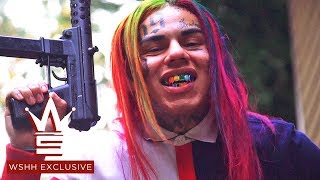
Watch the official KOODA
music video
A Voice Built on Mob Energy
One reason the track feels so forceful is that it rarely sounds lonely. Even when 6ix9ine is the only rapper heard, the lyrics keep returning to a crew mindset: we gon' show what we about
. That group language matters.
Instead of telling a detailed story, the song stacks scenes of movement, weapons, money, drugs, and sexual bragging. These details all serve one message: power has to be seen. The narrator wants enemies, fans, and bystanders to witness that power all at once.
Who They Are Talking To
The target shifts through the song. Sometimes it is rivals. Sometimes it is internet critics. Sometimes it is anyone doubting the ScumGang image.
When they say we don't do the race
, the message is that they do not run from conflict. In plain terms, they frame hesitation as weakness and direct confrontation as strength. That is a key part of the meaning of KOODA 6ix9ine.
How the Verses Build the Persona
The verses work like a checklist of dominance. They move through:
- street credibility
- gang affiliation
- money spent fast
- drug references
- sexual conquest
- gun threats
None of these ideas gets much emotional depth. That is intentional. The song is not trying to reveal vulnerability. It is trying to flatten everything into force.
A short phrase like I'm the damn man
sums up the attitude. It is blunt self-mythology. They do not argue for status; they announce it.
There is also a pattern common in aggressive trap and gangsta rap: sex, fashion, and violence all become connected signs of control. References to luxury and weapons sit beside each other because both are used as proof of rank.
The Darkest Part of the Song
The most disturbing moment is the section aimed at internet talkers and their families. It escalates beyond normal rap taunting into vivid menace.
You can talk hot on the internet, boy
That's that goofy shit
Even in this short passage, the song’s logic is clear. Online disrespect is treated as a reason for real-world punishment. The point is shock. They want the listener to feel that the speaker has no boundary between words and violence.
Interpretation: This section is important because it explains why the song felt so controversial and magnetic. It turns internet-era rap beef into a street-horror fantasy, exaggerating consequences to make the persona seem more dangerous.
Why the Production Matters So Much
Koncept P’s beat is a huge part of why “KOODA” works. The production is lean, hard, and repetitive in a way that leaves room for shouting, not subtlety. Heavy drums and a tense loop create a soundtrack that feels like constant forward motion.
That matters because 6ix9ine’s delivery is percussive. They bark lines more than they glide through them. The beat does not soften that style; it frames it. Every pause feels like a threat hanging in the air, and every return of the hook feels like another wave of pressure.
This is one reason the song crossed over commercially. Its structure is simple enough to hit quickly, but the energy is extreme enough to stand out.
Artist Context Helps Explain the Song
“KOODA” arrived in the same breakout period as “Gummo,” when 6ix9ine was becoming known for loud visuals, gang-coded imagery, and confrontational marketing. The video’s Brooklyn street setting reinforced that image, and 6ix9ine once told Mass Appeal that they made the “best videos in America” with “zero dollars.” That quote fits the song’s style: raw, direct, and designed to look dangerous.
In that context, “KOODA” is not just a song. It is branding. It tells listeners exactly what kind of star 6ix9ine wanted to be in that moment: chaotic, fearless, and impossible to ignore.
So What Is “KOODA” Really Saying?
The meaning of KOODA 6ix9ine is not hidden beneath layers. The song argues that respect comes from fear, visibility, and action. It treats toughness as performance, but also as something they insist is real.
Its lasting effect comes from that mix of theater and threat. Even people who dislike the song can hear how clearly it delivers its message.
Disclaimer: This interpretation focuses on themes, tone, and context. Like most rap songs built on persona, “KOODA” may blend exaggeration, performance, and real-life image in ways open to more than one reading.








