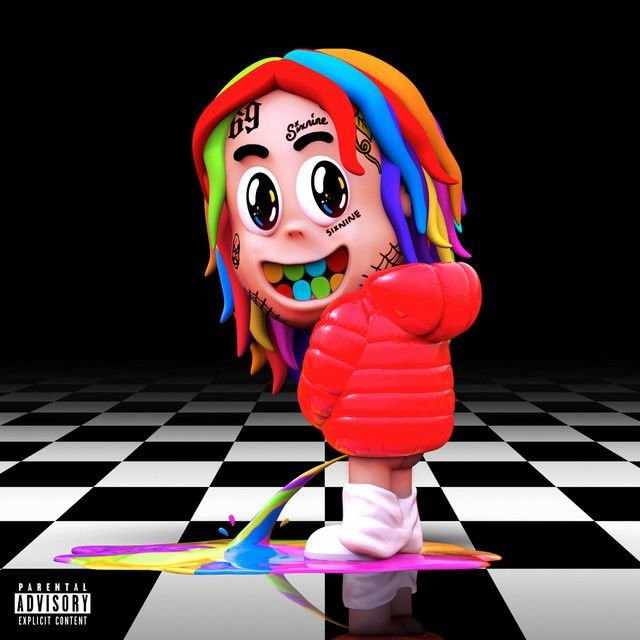
DUMMY by 6ix9ine, TrifeDrew
A victory lap with a threat underneath
The meaning of DUMMY 6ix9ine, TrifeDrew starts with a simple rap theme: survival turned into flexing. The song looks back at hard times, then turns that memory into proof of status. They present money, cars, clothes, and loyalty as signs that they made it out.
"DUMMY" - 6ix9ine, TrifeDrew
I spent some days in the trap and got my money up (yeah)
Bust it down, the Rollie, now she's tryna fuck (yeah)
Loading lyrics...
Unable to load lyrics
We're unable to display the lyrics at this time. Please try again later.
But the track is not just a celebration. It also carries anger. When they remember being ignored or looked down on, success becomes revenge as much as reward. That is why the song feels split between triumph and menace. One side says they rose from nothing. The other says people should be careful how they treat them now.
Watch the official DUMMY
music video
From the trap to the freeway
The opening lines sketch a classic rise narrative. They describe days in the trap, then jump to watches, luxury brands, and fast cars. The move from struggle to display is the song's basic engine. When they mention got my money up
, they are not only talking about cash. They are talking about dignity, proof, and power.
That is followed by a memory of rejection. A short phrase like wouldn't show me love
matters because it explains why the boasting sounds so sharp. Their success is framed as an answer to old disrespect.
The timeline in plain terms
The song's story can be read in four beats:
- They remember hustling and being broke.
- They stress loyalty to the same people from early on.
- They show off wealth as evidence of change.
- They warn enemies that the old weakness is gone.
That structure is simple, but it gives the song its force. Every flashy detail is tied back to a memory of not having enough.
Loyalty is the moral center
For all its material bragging, the emotional core of "DUMMY" is loyalty. They keep returning to the idea that they stayed with the same crew since childhood. The line about being with the same gang since pre-K is exaggerated street poetry, but the point is clear: they want listeners to believe they never switched sides.
That matters because the song builds its values around two tests. First, who was there during hunger and struggle? Second, who stayed real after money arrived? In that sense, the song is less interested in romance or introspection than in group identity. The self only matters as part of a loyal circle.
Interpretation: This is why the wealth references do not feel random. The jewelry and cars are shown as things to share with day ones, not just toys for one person. Even the bragging has a tribal purpose.
The hook turns success into a drug metaphor
The chorus wraps the message in sticky, memorable language. It says that after the glow-up, attention comes easily. When they compare that attraction to being addictive, they are really saying status changes how people behave around them.
fiending all up on me
just like I'm a drug
Those lines are not subtle, but they are effective. They reduce social change to a blunt truth: people ignored them when they were struggling, then wanted access once money appeared. In other words, the hook is about fake love as much as desire.
Violence in the background, not the side plot
The second half of the song gets darker. The lyrics move from flexing into threats, gun talk, and retaliation. That shift is important to the meaning of DUMMY 6ix9ine, TrifeDrew because it shows that success has not brought peace. They still frame the world as hostile.
When they mention keeping a weapon and describe enemies who now respect force, they present violence as a language of survival. That does not make it literal autobiography in every line; rap often uses heightened talk, persona, and intimidation as style. Still, the emotional function is clear. Fear becomes another kind of currency.
A phrase like stay in your lane
sums up the warning. Their message is not only "look how far we came." It is also "do not test us." That makes the song feel like both a trophy case and a barricade.
Why the production matters so much
The beat credit tag, Daytrip took it to 10
, sets the energy immediately. Production associated with Take a Daytrip often leans loud, crisp, and attack-minded, and that suits this record. The instrumental gives the lyrics a hard frame: booming drums, bright edges, and a pace that keeps everything moving forward.
That sound matters because the song's meaning is built on momentum. There is almost no room for reflection. The beat pushes the verses like a chase scene, which makes the flexes feel urgent instead of relaxed. Even luxury details sound aggressive.
This also fits 6ix9ine's larger public style. Their breakout work often depended on high-volume, confrontational performance and vivid, instantly readable hooks, as heard around "GUMMO". For TrifeDrew, whose catalog has also leaned into melodic street rap and come-up themes, the pairing creates a song that balances melody in the hook with direct threat in the verses.
Context sharpens the song's meaning
Artist context matters here. 6ix9ine's public image has long been built around controversy, provocation, and extreme confidence, covered widely by outlets like Rolling Stone. That history makes a song like "DUMMY" feel less like a private diary and more like brand maintenance. The lyrics perform toughness as much as they describe it.
Interpretation: Listeners can hear the song in two ways at once. On one level, it is a familiar street-rap success story about turning hunger into luxury. On another, it is a performance of invincibility, where every bar tries to erase vulnerability.
Final takeaway: what "DUMMY" is really saying
At its core, "DUMMY" is about turning hardship into status and turning disrespect into fuel. The song says money changed their surroundings, but not their memory. They still measure the present against days of hunger, rejection, and danger.
That is why the track hits so hard. It is not just about being rich. It is about making sure everyone sees the distance traveled.
Disclaimer: This interpretation is based on the lyrics, performance style, and publicly available context. As with most rap songs, some lines may mix lived experience, exaggeration, and artistic persona.









