
Why Aaron Tippin’s Radio Still Matters
The meaning of There Ain't Nothin' Wrong with the Radio Aaron Tippin comes down to a simple idea: a person can be short on money, driving something worn out, and still feel rich because music gives them joy. That is why this country hit still lands. It takes an ordinary problem—a car that is barely hanging on—and turns it into a funny, proud anthem about attitude.
"There Ain't Nothin' Wrong with the Radio" - Aaron Tippin
More than once she's left me on the side of the road
The older she gets the slower we go
Loading lyrics...
Unable to load lyrics
We're unable to display the lyrics at this time. Please try again later.
Aaron Tippin wrote the song with Buddy Brock, and it became Tippin’s first No. 1 on Billboard’s Hot Country Songs chart in 1992, a key moment in his early career as a blue-collar country voice. Factually, it appeared on Read Between the Lines, the same album that helped establish him in the early 1990s country boom.
A Worn-Out Car, Told With a Smile
On the surface, the story is easy to follow. The narrator has a vehicle that stalls, rolls slowly, and needs repairs. Parts are failing, the tires are bad, and even basic safety items do not work. Yet they keep coming back to one point: nothin' wrong with the radio
.
That repeated line changes the whole song. Instead of sounding defeated, the narrator sounds amused and even proud. They know the car is rough, but they refuse to measure their life by what is broken.
The Joke Carries the Theme
The humor matters because it keeps the song from becoming sad. A line like four bald tires
paints a clear picture of hard use and little money. But Tippin and Brock do not turn that image into self-pity. They turn it into personality.
Interpretation: The car is more than transportation. It stands for an imperfect life that still has one dependable source of pleasure: country radio.
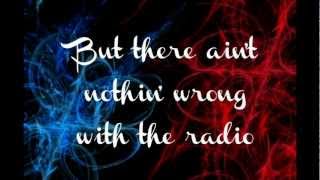
Watch the official There Ain't Nothin' Wrong with the Radio
music video
Why the Chorus Means More Than It Says
The hook works because it is both literal and symbolic. Literally, the stereo still plays. Symbolically, the radio represents mood, identity, and connection.
In country music, the radio often means more than background noise. It is companionship on the road, a tie to home, and a way to feel seen. When the narrator says the car is no Cadillac, they are rejecting status as the main measure of worth.
She ain't a Cadillac
and she ain't a rolls
But there ain't nothin' wrong
with the radio
Those lines sum up the song’s worldview. The point is not that the car is secretly good. It is not. The point is that one working thing can matter more than a list of failures.
How the Verses Build a Working-Class Portrait
Each verse adds a fresh angle to the same idea. First, the listener hears about the car’s mechanical problems. Then the song shifts to custom touches like sixteen speakers
and antennas in the wind. That detail is important.
The narrator may not own a luxury car, but they have made it their own. They take pride in the sound system and in being able to tune into country stations anywhere. That is a small but telling act of self-expression.
Later, the joke expands. A police officer notices the car’s legal and safety problems but lets the driver go because, as the song suggests, even he can appreciate that the radio sounds great. Then a girlfriend echoes the same idea. In both scenes, the radio becomes social proof: this person may not look impressive on paper, but they have style, charm, and spirit.
The Sound Matches the Message
Part of the meaning of There Ain't Nothin' Wrong with the Radio Aaron Tippin comes from the production. The song moves with an easy, bright tempo and a clean early-1990s country arrangement. It sounds built for open roads, rolled-down windows, and a grin.
The instrumentation supports the lyric’s plainspoken feel. The beat stays steady, the guitars carry a light twang, and Tippin sings with a direct, unpolished energy that fits the working-class character in the song. Nothing in the performance feels fancy, and that is exactly the point.
Interpretation: The music mirrors the message by sounding sturdy rather than slick. It celebrates usefulness, warmth, and fun over polish.
Aaron Tippin’s Persona Helps Explain It
This song also fits Tippin’s image at the time. Early in his career, he was known for songs that spoke to labor, patriotism, and everyday pride. He often sounded like someone speaking for regular people instead of chasing glamour.
That context matters. When Tippin sings about a shabby car and keeps the focus on enjoyment, it feels believable. They are not playing a character from a distance. They sound close to the world the song describes.
More Than a Novelty Hit
It would be easy to hear the song as just a novelty record because it is funny and catchy. But that would miss why it lasted. The song sticks because it taps into a common American feeling: life may be patched together, but people still want music, freedom, and a little dignity.
The radio is not merely a gadget here. It is a lifeline, a soundtrack, and a way of saying that joy does not have to wait for perfect conditions.
The Lasting Meaning of the Song
In the end, the song says that lack of money does not erase pride, and broken things do not cancel happiness. Its narrator finds one bright spot and chooses to celebrate it. That choice is the heart of the song.
For listeners, that is why the track still works. It is funny, yes, but it is also generous. It tells people they do not need a perfect ride to enjoy the ride.
Disclaimer: This interpretation is based on the lyrics, performance, and Aaron Tippin’s broader artistic context. As with any song, listeners may hear meanings that differ from this reading.








