Why ABBA's Darkest Love Song Still Dances
The meaning of Lay All Your Love On Me ABBA comes down to a simple but powerful idea: love has made the narrator feel both ecstatic and afraid. This is not a calm romance. It is a song about losing emotional balance, then asking a partner to become the center of everything.
"Lay All Your Love On Me" - ABBA
Now every woman I see is a potential threat
And I'm possessive, it isn't nice
Loading lyrics...
Unable to load lyrics
We're unable to display the lyrics at this time. Please try again later.
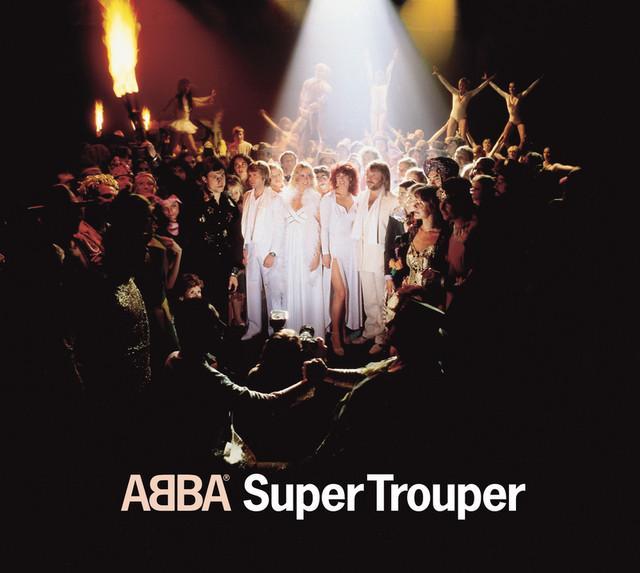
Recorded for ABBA's 1980 album Super Trouper and released as a single in selected territories in 1981, the track became one of the group's boldest dance-pop statements, with Agnetha Fältskog on lead vocal and songwriting by Benny Andersson and Björn Ulvaeus (Wikipedia). That mix of sleek production and emotional panic is the key to why the song still feels so modern.
A Love Story Told Through Panic
At the lyrical level, the song begins with a confession. The narrator says they were not jealous before, but now every other woman seems threatening. That opening matters because it frames love as a force that has changed their personality.
Instead of celebrating romance as something purely sweet, the song shows what happens when attraction becomes dependence. Short lines like potential threat
and I'm possessive
make the point fast. They do not sound proud of these feelings. They sound startled by them.
This is why the song feels more complicated than a standard pop love song. The narrator is not just asking for affection. They are reacting to the fear of losing it.

Watch the official Lay All Your Love On Me
music video
The Chorus Turns Desire Into a Demand
The chorus is where the song's central tension becomes clear. When the narrator says Lay all your love on me
, they are not asking for a little reassurance. They are asking for total emotional focus.
That matters because the verses describe someone whose old sense of self has collapsed. They once thought they were practical and controlled. Now they admit that everything is new
. In plain terms, love has rewritten their rules.
Interpretation: the chorus can be heard as both romantic and controlling. On one hand, it is a passionate plea for commitment. On the other, it suggests exclusivity so intense that it borders on obsession. The line about not sharing devotion pushes the song beyond ordinary longing and into emotional possessiveness.
How the Verses Build the Narrator's Fall
The song works almost like a short character study. Each verse adds a new layer:
- First, the narrator admits jealousy.
- Then, they describe being unexpectedly captured by charm.
- Finally, they confess that past romances were minor compared to this overwhelming experience.
One of the smartest details is the way ABBA presents this loss of control as embarrassing. The narrator basically says they should have known better, yet they still fell hard. That self-awareness gives the song depth. They know their behavior is irrational, but they cannot stop it.
A brief lyric moment sums this up well:
I feel a kind of fear
When I don't have you near
Those lines are simple, but they reveal the whole emotional engine of the song. The problem is not just desire. It is absence. The loved one has become so important that even distance creates panic.
The Production Makes the Meaning Stronger
Part of the meaning of Lay All Your Love On Me ABBA comes from sound, not just words. Musically, the track is often described as dance-pop or electro-disco, and that label fits (Wikipedia). The beat is steady and physical, but the vocal effects add a strange, almost disorienting quality.
According to reporting summarized by Wikipedia from ABBA recording histories, the descending vocal effect at the end of the verse was created with a harmoniser, while parts of the chorus used a vocoder to create a choir-like texture. Benny and Björn reportedly felt the chorus sounded almost like a hymn. That is a revealing detail.
Why? Because the production gives the love plea a larger, more dramatic shape. It does not sound casual. It sounds ritualistic, almost devotional. That fits the lyrics perfectly. The narrator is not flirting. They are surrendering.
Why the Dance Beat Matters So Much
One reason the song lasts is its contrast. The words describe insecurity and emotional dependence, yet the arrangement feels sleek, urgent, and club-ready. That tension makes the song exciting.
It also helps explain its later success in dance spaces. A remixed version gained club popularity, and the song eventually topped Billboard's Dance Club Songs chart in the United States, paired with other ABBA tracks (Wikipedia). It also became the first UK Top 10 hit based only on 12-inch sales, which shows how strongly its sound connected with that format (Wikipedia).
In other words, listeners could dance to it even while the lyric told a story about emotional instability. That contradiction is part of the magic.
Two Strong Ways to Read the Song
Interpretation 1: it is a straightforward song about romantic intensity. In this reading, the narrator is simply overwhelmed by real love for the first time and wants the relationship to be exclusive.
Interpretation 2: it is a subtle portrait of unhealthy attachment. In this reading, the repeated demands and fear of separation show how love can become possessive and unsteady.
Both readings work because the song never fully resolves the tension. ABBA lets the listener enjoy the passion while also hearing the warning signs.
Why It Still Feels Fresh
ABBA made many songs about love, heartbreak, and memory, but this one stands apart because it sounds both glamorous and troubled. Agnetha's vocal carries that duality beautifully: strong on the surface, vulnerable underneath.
That is the lasting appeal of the song. It understands that love does not always make people kinder or calmer. Sometimes it makes them more exposed, more demanding, and more afraid.
For many listeners, that is the real meaning of Lay All Your Love On Me ABBA: the thrill of wanting someone so much that the feeling becomes larger than reason.
Disclaimer: This interpretation is based on the song's lyrics, performance, and documented production context. As with any art, listeners may hear different meanings in it.







