Why ‘Mamma Mia’ by ABBA Still Feels So True
The meaning of Mamma Mia ABBA comes down to a painful cycle: they know a relationship is unhealthy, but they still cannot walk away. That tension is the whole engine of the song. It is bright, catchy, and easy to sing along with, yet underneath the sparkle is a story about weakness, longing, and emotional backsliding.
"Mamma Mia" - ABBA
So I made up my mind, it must come to an end
Look at me now, will I ever learn?
Loading lyrics...
Unable to load lyrics
We're unable to display the lyrics at this time. Please try again later.
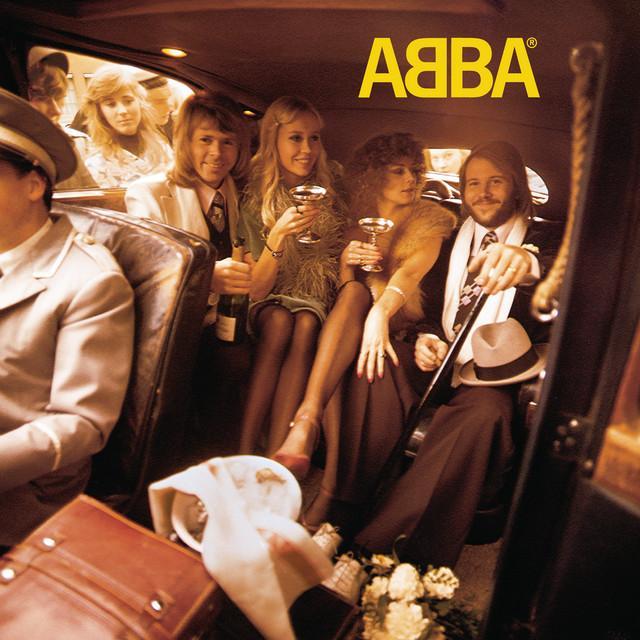
ABBA released “Mamma Mia” in 1975 as the opening track on ABBA, their third studio album. It was written by Benny Andersson, Björn Ulvaeus, and Stig Anderson, with lead vocals shared by Agnetha Fältskog and Anni-Frid Lyngstad. It later became a major international hit, reaching No. 1 in markets including the UK and Australia, according to chart summaries collected by Wikipedia and background notes at Songfacts.
The Heart of the Song Is Emotional Relapse
At its core, the song describes someone who has been hurt by a lover more than once and still gets pulled back in. The opening makes that clear: they have been deceived, they decide it should end, and then one glance changes everything. When the singer says here I go again
, it is not playful confidence. It is a sigh of recognition.
That is what makes the chorus so strong. The famous hook sounds joyous, but the feeling is closer to disbelief. They know this person causes pain, yet they still ask, how can I resist you?
In plain terms, the song is about losing a battle against their own emotions.

Watch the official Mamma Mia
music video
A Breakup Song Wearing Pop Colors
One reason “Mamma Mia” endures is its contrast. The lyrics describe cheating, anger, and heartbreak, but the music moves with bounce and shine. Songfacts calls this kind of contrast lyrical dissonance, and that idea fits well here. ABBA turn private misery into a dance-pop rush.
That split matters to the meaning of Mamma Mia ABBA. The song does not simply say love hurts. It shows how hurt can exist beside excitement. The singer feels rejected and thrilled at the same time. They are brokenhearted, but they are also energized by the return of the person they cannot quit.
How the Verses Build the Pattern
The verses show a repeating cycle:
- They feel betrayed.
- They promise the relationship is over.
- The other person returns.
- Their resolve collapses.
A few short phrases sketch this pattern well: lose control
, fire within my soul
, and forget everything
. None of these lines suggests calm thought. They point to a physical, almost automatic reaction. This is not a balanced romance. It is compulsion.
Interpretation: the song may be less about the lover’s power than the singer’s self-awareness. They are not blind. They understand the pattern. The drama comes from knowing better and still repeating it.
What the Chorus Really Means
The chorus is catchy because it compresses the whole emotional conflict into one burst. The title phrase itself is an Italian exclamation, often used to express surprise or frustration, as noted by Songfacts. In the song, it works like a startled confession: they cannot believe they are falling for this person again.
Bye byedoesn’t mean forever
That brief moment is key. It reveals that every breakup in this relationship is temporary. Even when they try to leave, some part of them expects the story to restart.
Why the Sound Matters So Much
The production helps explain why the song feels so alive. One of its most famous touches is the opening marimba line, which Benny Andersson reportedly added late in the process after finding the instrument in the studio. He liked its “tick-tock” feel, according to reporting summarized by Wikipedia.
That detail is more than trivia. The bright, chiming pattern sounds almost like a clock, which fits a song about repetition. The relationship keeps circling back. The beat keeps moving. The hook keeps returning.
The vocal blend matters too. Agnetha and Frida sing with warmth and control, not total despair. That choice keeps the song from becoming heavy. Instead, it feels like lived experience turned into pop craft.
ABBA’s Growth as Songwriters
“Mamma Mia” also arrived during an important stage in ABBA’s development. Björn Ulvaeus later said that, by the group’s third album, he had begun to think more seriously about saying something in the lyrics, not just building around a hook, as quoted by Songfacts. That helps explain why this song feels so simple on the surface but so emotionally exact underneath.
It was not originally planned as a single, yet audiences responded strongly, especially after major exposure in Australia, where it became a long-running No. 1 hit before helping drive momentum elsewhere, according to Wikipedia.
The Lasting Meaning of “Mamma Mia”
So, what is the meaning of Mamma Mia ABBA? It is the sound of someone catching themselves in a familiar mistake. They know the relationship is unstable. They know parting hurt them. They also know desire can erase reason in a second.
That mix of honesty and melody is why the song still lands. It is not just about heartbreak. It is about the embarrassing, deeply human truth that people often return to what hurts them because it also feels irresistible.
Disclaimer: This interpretation is based on the released lyrics, recorded performance, and documented song history. Like most pop songs, “Mamma Mia” can support more than one valid reading.







