
Why ABBA's Money Dream Still Hits Hard
The meaning of Money, Money, Money ABBA starts with a simple problem: hard work does not guarantee comfort. In this 1976 hit, ABBA turns that problem into a vivid character sketch. The singer is exhausted, underpaid, and stuck imagining escape.
"Money, Money, Money" - ABBA
Ain't it sad?
And still there never seems to be a single penny left for me
Loading lyrics...
Unable to load lyrics
We're unable to display the lyrics at this time. Please try again later.
Released as the second single from Arrival in November 1976, the song was written and produced by Benny Andersson and Björn Ulvaeus, with Anni-Frid Lyngstad on lead vocal. It became a major international hit and remains one of ABBA’s most recognizable story songs (Wikipedia).
A Pop Song About Class, Stress, and Fantasy
At its core, the song is about economic frustration. The narrator works constantly, yet there is never enough left over. When they sing about having to pay the bills
, the point is not just personal stress. It points to a bigger social divide between people who labor and people who seem to live easily.
Interpretation: The song is not simply praising wealth. It is showing how desperation can make wealth look magical. The repeated dream of a wealthy man
is less a romance plot than a survival fantasy.
That is why the famous hook lands so well. When the chorus says rich man's world
, it sounds catchy and bold, but it also carries resentment. Money is treated like the thing that decides who gets freedom and who stays trapped.
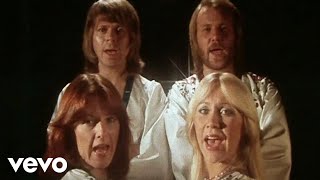
Watch the official Money, Money, Money
music video
The Story They Tell, Step by Step
ABBA builds the meaning through a clear little drama:
- The narrator works constantly and still feels short on cash.
- They imagine a better life through marriage to a rich man.
- They doubt that kind of man would choose them.
- They switch to another fantasy: winning big in a glamorous place.
That move matters. Early on, the dream is personal and romantic. Later, it becomes theatrical and almost cinematic, with thoughts of Las Vegas or Monaco
. The dream grows larger because ordinary life feels too small.
Who Is Speaking in the Song?
Factually, the lyric is written from the viewpoint of a working woman, something even basic reference sources note about the song’s setup (Wikipedia). That first-person voice gives the track its force. It sounds direct, tired, and a little bitter.
Interpretation: Even though the narrator is one character, the song speaks to a broader feeling. Anyone who has worked hard and still felt stuck can hear themselves in it.
Why the Chorus Feels So Sharp
The chorus is memorable because it simplifies a whole worldview into a few lines. The phrase must be funny
sounds light, but the emotion under it is not. It suggests that money works almost like a joke played on people who do not have enough.
Then comes the idea that life is always sunny
for the wealthy. That line is exaggerated on purpose. ABBA knows rich people do not literally live without problems. The exaggeration shows how inequality can look from the outside: comfort seems total when you are the one struggling.
This is where the meaning of Money, Money, Money ABBA becomes more than a complaint song. It is about how financial pressure reshapes the imagination. The narrator does not just want luxury. They want relief.
How the Sound Sells the Message
One reason the song lasts is that the music adds irony. Critics at the time noticed its theatrical style. Record World described it as having Brecht-Weill overtones and an ironic lyric matched with a music-hall-like tune, while Billboard praised its fast pace and production (Wikipedia).
That description fits. The arrangement feels dramatic, clipped, and stage-ready rather than loose or confessional. Benny Andersson’s keyboards and the song’s tight rhythm give it a cabaret edge. Instead of sounding gloomy, it sounds polished and almost glamorous.
That contrast is the key. The character is unhappy, but the track sparkles. ABBA often used that trick: sad or uneasy ideas wrapped in irresistible pop. Here, the glossy production makes the fantasy sound tempting while also hinting that it is just that—a fantasy.
The Video and ABBA Context
The music video leaned into the song’s theatrical side. It was inspired by Cabaret, with Frida in a 1920s-style look and scenes that shift between plain reality and dream images of luxury (Wikipedia). That visual choice supports the lyric’s split between daily labor and imagined escape.
In ABBA’s catalog, this song also stands out because it is strongly character-driven. Many ABBA hits are emotional, but this one feels like a mini musical scene. That helps explain why it later fit neatly into Mamma Mia!, where the song is used to express a woman’s work burdens and wish for something easier (Wikipedia).
One Last Take on What It Means
So what is the final takeaway? The meaning of Money, Money, Money ABBA is not that money buys happiness in any simple way. It is that lacking money can make happiness feel far away.
Interpretation: The song captures the moment when survival stress turns into daydreaming. It is witty and exaggerated, but emotionally real. That is why it still connects decades later.
Disclaimer: This article offers a literary and musical interpretation based on the song, its recording context, and documented reception. Meaning can remain open to individual listeners.







