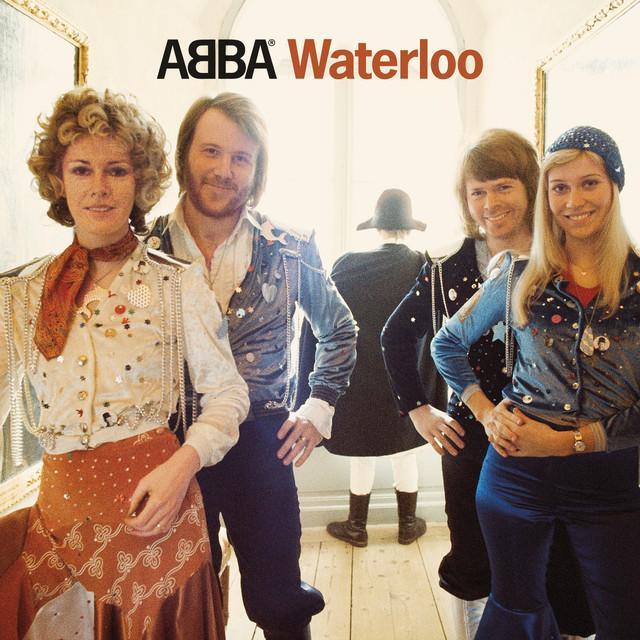
Why 'Waterloo' Turned Defeat Into Pop Glory
The meaning of Waterloo ABBA starts with a clever joke: they turn one of history’s most famous defeats into a love song. Instead of singing about heartbreak, they make surrender sound thrilling. That twist is the key to why the song still feels so fresh.
"Waterloo" - ABBA
At Waterloo, Napoleon did surrender
Oh yeah
Loading lyrics...
Unable to load lyrics
We're unable to display the lyrics at this time. Please try again later.
Released in 1974 as the lead single from Waterloo, the track became ABBA’s Eurovision breakthrough and the song that launched them worldwide. It won the 1974 Eurovision Song Contest and later became one of the contest’s most celebrated winners, according to widely cited historical records from Eurovision and ABBA’s official site.
A Love Song Dressed as a Historic Defeat
At its core, the song is about giving in to love after trying not to. The narrator compares that emotional moment to Napoleon’s loss at Waterloo. Early lines reference destiny and history repeating itself, framing romance as something larger than personal choice.
That is why short phrases like my destiny
and history book on the shelf
matter. They suggest this is not just a crush. It feels inevitable, almost written in advance.
Interpretation: The brilliance of the lyric is that it makes “losing” in love sound like a win. When the singer admits defeat, they are really admitting desire.

Watch the official Waterloo
music video
How the Chorus Explains the Whole Song
The chorus is simple, but it does a lot of work. When the singer says I was defeated
and you won the war
, they are not describing a toxic battle. They are using military language to dramatize attraction.
That matters because the chorus keeps flipping the usual meaning of defeat. The singer also says they couldn't escape
, yet the emotion is not fear. It is relief. They stop fighting what they already know is true.
Why “losing” feels happy here
The emotional center of the song may be the idea that I win when I lose
. In plain terms, they are saying surrender brings happiness. They lose control, but gain love.
That paradox gives the song its charm. It is about vulnerability, but it never sounds fragile.
The Story Moves From Resistance to Acceptance
The narrative is easy to follow, which is part of its pop strength. It unfolds in three clear beats:
- They recognize the relationship is changing.
- They admit the other person is stronger than their resistance.
- They accept their future with that person.
There is even a neat emotional turn in the second verse. The singer says they tried to hold the other person back, but failed. Then they realize that giving up the fight is the only honest move.
And how could I ever refuse?I feel like I win when I lose
Those lines are brief, but they summarize the whole message. The song is not about defeat in war. It is about choosing love once resistance becomes pointless.
Why ABBA’s Sound Makes the Meaning Bigger
“Waterloo” would not mean the same thing if it were performed as a slow ballad. Its power comes from contrast. The lyric describes surrender, but the music sounds bold, bright, and almost celebratory.
The production by Benny Andersson and Björn Ulvaeus drew on a dense, layered style often linked to Phil Spector’s “Wall of Sound,” with engineer Michael B. Tretow helping build that rich texture, as documented in major histories of the band and the recording. The track also blends pop with rock and roll energy, including punchy piano, driving drums, and sharp guitar work.
That sound changes the lyric’s meaning. Instead of defeat feeling sad, it feels glamorous and exciting. The shared lead vocals from Agnetha Fältskog and Anni-Frid Lyngstad add to that feeling. Their delivery is confident, not wounded.
The ABBA Context That Helps Explain It
Factually, “Waterloo” was written by Benny Andersson, Björn Ulvaeus, and Stig Anderson, and released in March 1974. It was created for Melodifestivalen, Sweden’s Eurovision selection, after ABBA had placed third the year before with “Ring Ring.” They won the national final, then won Eurovision in Brighton on April 6, 1974.
That context matters because the song itself sounds like a breakthrough. It is bigger, flashier, and more self-aware than many pop singles of its moment. In the United States, it reached No. 6 on the Billboard Hot 100, helping establish ABBA beyond Europe.
Interpretation: The song’s theme of surrender also mirrors ABBA’s arrival. They were not easing into pop history. They were bursting into it.
A Few Smart Symbols Inside the Lyrics
The song uses a handful of recurring motifs to keep its central metaphor clear:
- War: romance is framed as conflict and capture.
- History: love feels inevitable, like a pattern repeating.
- Fate: the relationship seems larger than personal will.
- Victory/defeat: emotional surrender becomes emotional success.
Because the images are so simple, they travel well. That may be one reason “Waterloo” crossed language and national borders so quickly.
Why the Song Still Connects
Part of the meaning of Waterloo ABBA is that love can feel both overwhelming and welcome at the same time. Many people know that feeling: they resist, then realize resistance is the wrong story. The better story is acceptance.
ABBA package that truth in a song that is funny, catchy, and emotionally clear. It uses a famous battle to describe a very ordinary human moment: falling in love and finally admitting it.
That is why “Waterloo” still lands. It is not really about Napoleon. It is about the strange joy of giving up the fight.
Disclaimer: This interpretation is based on the released lyrics, recording context, and documented history of the song. As with any pop classic, listeners may hear meanings that go beyond the writers’ likely intent.








