Why 'Poison Arrow' by ABC Still Stings
The meaning of Poison Arrow ABC comes down to one sharp idea: love can feel glamorous right up until it turns humiliating. ABC package that feeling inside sleek 1980s pop, so the song sounds elegant even when the narrator is clearly falling apart.
"Poison Arrow" - ABC
Would you know just what to do or where to keep it?
Then I say, "I love you", foul the situation
Loading lyrics...
Unable to load lyrics
We're unable to display the lyrics at this time. Please try again later.
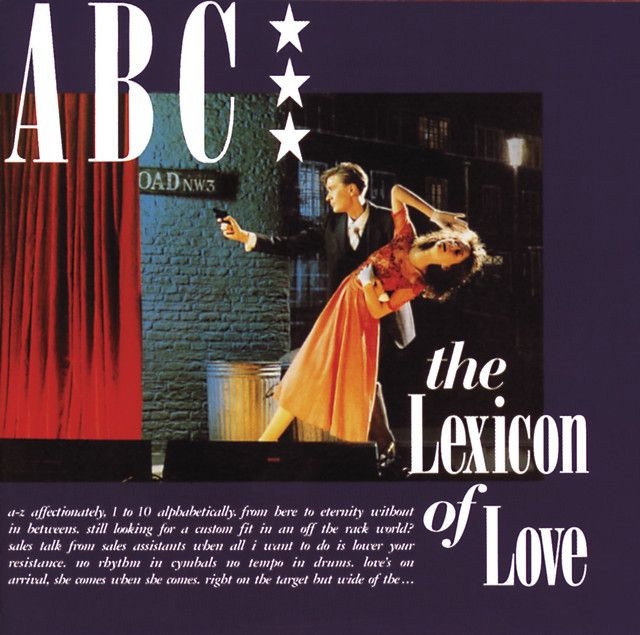
Released as a 1982 single from The Lexicon of Love, the track helped introduce ABC’s sophisticated style to a wide audience. It reached No. 6 in the UK and No. 25 on the US Billboard Hot 100, showing how well its mix of heartbreak and polish traveled across markets.[1]
A Love Song That Works Like a Wound
At its core, this is a rejection song. The narrator starts with secrecy, flirtation, and confidence, then quickly realizes the relationship is badly misread. When they move from asking for trust to saying I love you
, the mood shifts from playful to exposed.
That sudden emotional misfire is the whole engine of the song. The title phrase poison arrow
turns Cupid’s usual symbol into something toxic. Love is not shown as soft or healing here; it lands like a strike that keeps hurting after impact.
Interpretation: ABC seem less interested in simple sadness than in the sting of realizing someone never felt the same way. The pain is romantic, but it is also social. The narrator feels foolish.

Watch the official Poison Arrow
music video
The Chorus Turns Heartbreak Into Theater
The repeated hook, shoot that poison arrow
, sounds dramatic on purpose. Instead of quietly mourning, the narrator almost stages the pain in public. That exaggeration matters.
It suggests that the singer knows heartbreak can become performance. They are not just wounded; they are narrating the wound in a stylish way. That is a big part of what makes the meaning of Poison Arrow ABC memorable: the chorus converts private rejection into something catchy, witty, and grand.
There is also a bitter joke inside the lines about Cupid. The song blames romance itself, as if desire set up the disaster. By doing that, ABC keep the song from becoming self-pitying. It hurts, but it also raises an eyebrow.
The Verses Show Mixed Signals and Bad Timing
The verses are full of imbalance. Images like no tempo in drums
and ideas about aiming but missing suggest that the relationship never had true alignment. Everything is close, but not correct.
That is why the writing feels so smart. ABC do not describe a huge betrayal. They describe mismatch. One person thinks the connection is building; the other does not. The line about what seemed like fire becoming only a spark captures that emotional downgrade without needing a long explanation.
A Small Exchange That Changes Everything
The song’s most brutal moment is the spoken back-and-forth near the end:
I thought you loved me
I can never love you
This brief exchange removes all doubt. American Songwriter notes that producer Trevor Horn suggested a middle section, and Martin Fry answered by writing this male-female dialogue, with Karen Clayton delivering the cutting response.[2]
That choice gives the song a dramatic climax. Instead of staying inside one person’s confusion, ABC let the rejection speak clearly.
Why the Sound Feels So Expensive and So Cold
Produced by Trevor Horn, the track is a great example of early 1980s studio pop built with precision. According to Sound on Sound credits summarized by research sources, the recording includes synthesizers, brass, saxophone, programmed elements, and polished rhythm parts, including TR-808 and Fairlight-related programming in the wider production setup.[1]
That matters for meaning. The arrangement sounds luxurious, but the emotions inside it are unstable. Strings, horns, and glossy beats create the fantasy of romance, while the lyrics describe romantic failure. The contrast is the point.
American Songwriter also describes the song as assembled in small sections rather than captured like a straight live performance.[2] That pieced-together design fits the theme. The narrator’s confidence is fragmented, and the music feels carefully constructed in the same way their emotional image is.
ABC’s Persona Is Part of the Message
ABC were never a plain confession band. Their breakthrough style mixed dance-pop, new pop, and orchestral polish with a knowingly elegant image.[1] Martin Fry’s delivery on “Poison Arrow” matters because he sounds wounded, but never ordinary.
That performance style changes how the lyrics land. A simpler singer might make the song feel only sad. Fry makes it sound bruised, clever, and faintly amused by its own disaster. The result is heartbreak with a tailored suit on.
Interpretation: That may be why the song still lasts. It understands that some of the worst romantic moments are not only painful. They are embarrassing, theatrical, and strangely funny in hindsight.
The Lasting Meaning of Poison Arrow ABC
So what is the meaning of Poison Arrow ABC in one sentence? It is about the instant when infatuation collapses into rejection, and the person left behind tries to turn that pain into style.
The song endures because it never chooses between sincerity and pose. It is both. ABC let the narrator ache, but they also let them perform the ache with wit, polish, and a little venom.
That blend is why “Poison Arrow” still feels fresh: it knows love can miss the mark, and it knows people often sing their most wounded lines with the brightest smile.
Disclaimer: This interpretation is based on the lyrics, recording context, and documented production history. As with most pop songs, listeners may reasonably hear different shades of meaning in it.







