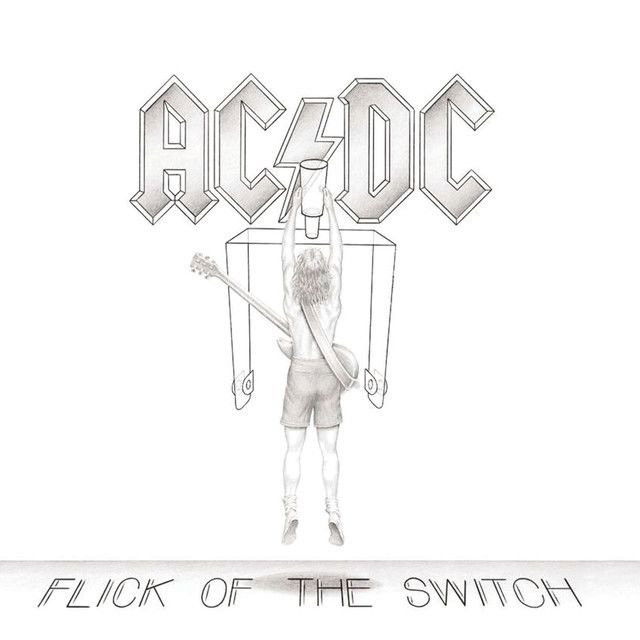
Flick of the Switch by AC/DC
The meaning of Flick of the Switch AC/DC comes down to one of the band’s favorite ideas: desire as a live wire. The song is fast, loud, and blunt, but it is not random. They build a world where attraction feels electrical, immediate, and a little dangerous.
"Flick of the Switch" - AC/DC
Suicidal voltage line
She sends signals outta distress
Loading lyrics...
Unable to load lyrics
We're unable to display the lyrics at this time. Please try again later.
Released on AC/DC’s 1983 album Flick of the Switch, the track arrived during a turning point for the band. According to the album’s documented history, it was their ninth studio album, released on August 19, 1983, and produced by AC/DC themselves as they chased a rougher, less polished sound than their previous records. That context matters because the song’s meaning is carried as much by the performance as by the words.
The Core Idea Hiding in Plain Sight
At the lyric level, the song presents a figure who can trigger extreme pleasure or damage in an instant. The repeated title phrase, flick of the switch
, is simple but loaded. It suggests that one tiny move can unleash a huge effect.
That idea shapes the whole track. The woman in the song is described through power imagery, not romance imagery. Instead of tenderness, they use terms that imply voltage, machinery, and force. In other words, this is not a love song. It is a song about being overwhelmed.
Interpretation: The most common reading is sexual innuendo. AC/DC often wrote in that lane, and the song’s language about explosive satisfaction strongly points there. But even beyond sexuality, it can be heard as a broader portrait of temptation: the thrill is real, and so is the danger.

Watch the official Flick of the Switch
music video
A Seduction Written Like a Warning Sign
The opening lines immediately mix desire with risk. Phrases like suicidal voltage line
and signals outta distress
frame attraction as something close to an emergency.
That tension is the song’s hook. The narrator is not calmly admiring someone. They sound as if they are watching a force that can pull a person in and wreck them. The woman becomes almost mythic through labels like she devil, she evil
. Those words are exaggerated, of course, but that exaggeration is the point. AC/DC turn lust into a cartoon storm cloud.
There is also a key contrast running through the chorus. The same force that can satisfy can also destroy. The song keeps both sides together instead of choosing one. Pleasure and pain are part of the same charge.
With a flick of the switch
she’ll blow you sky high
with a flick of the switch
she can satisfy
This is the song’s whole thesis. In just a few lines, they connect ecstasy and danger so tightly that they become nearly inseparable.
Why the Electrical Metaphor Works So Well
AC/DC have always liked physical, tangible imagery. Here, electricity is the perfect metaphor because it does three jobs at once:
- It suggests instant impact
- It implies raw power beyond control
- It makes desire feel mechanical and bodily
When the lyrics mention being on a rockin' machine
or a lightning-driven device, they turn seduction into an engine. That makes the song feel less like a personal confession and more like a ride someone barely survives.
Interpretation: The woman in the song may not need to be a literal character at all. She can also represent temptation itself, a force that flips people from control to chaos in a second.
The Sound Tells the Same Story
The production is a big part of the meaning of Flick of the Switch AC/DC. The album was recorded at Compass Point Studios in Nassau in 1983, and AC/DC chose to produce it themselves. Contemporary summaries of the sessions note that the band wanted the record to sound “raw again,” and Angus Young later said they wanted a natural, big guitar sound without heavy echo or reverb.
That dry production style matters here. The guitars hit hard and close, without the glossy shine heard on some earlier AC/DC albums. The result is a track that feels stripped down and dangerous, like exposed wiring.
Brian Johnson’s vocal also sells the theme. He does not sing the song with smooth control. He barks and strains through it, making the desire sound urgent and unstable. Angus and Malcolm Young’s riffing keeps everything tight and repetitive, which mirrors the idea of a switch being flipped again and again.
The 1983 Context Behind the Track
The song also reflects where AC/DC were at the time. Flick of the Switch was the band’s third album with Brian Johnson and the last to feature Phil Rudd on drums before his later return. It did not match the blockbuster sales of Back in Black or For Those About to Rock, though it still reached No. 15 on the Billboard 200 in the United States and was later certified Platinum in the U.S.
That commercial story helps explain the album’s reputation. Some critics heard it as a retreat from polish; others praised it for restoring the band’s edge. Either way, the title track sounds like a mission statement: less decoration, more impact.
Final Take on the Song’s Meaning
So, what is “Flick of the Switch” about? Most directly, it is about explosive attraction told through the language of electricity. It presents desire as something thrilling, immediate, and potentially destructive.
More broadly, the song shows AC/DC at their most basic and effective. They take one image, push it hard, and let the riff do the rest. That is why the track still works: it understands that rock songs do not always need complexity to say something clear.
Disclaimer: This interpretation is based on the lyrics, the song’s production, and documented album context. As with many AC/DC songs, some meanings remain open to listener interpretation.







