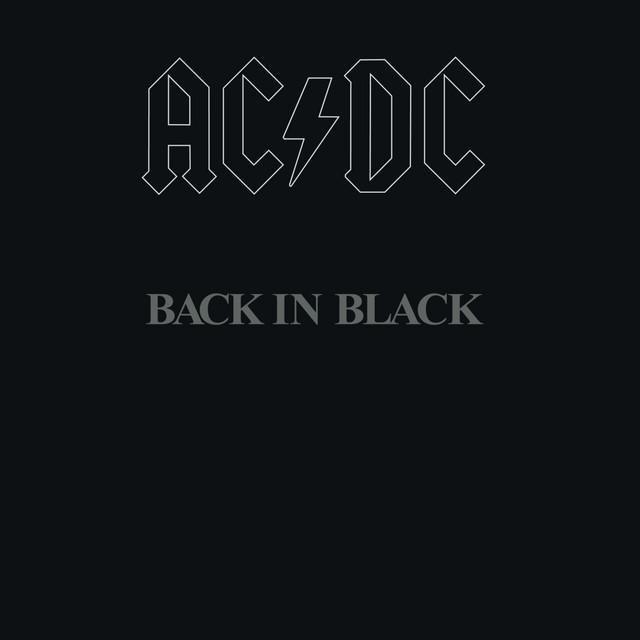
Hells Bells by AC/DC
They hear that first toll and know what’s coming: a riff that stomps like weather and a voice that threatens in technicolor. But the deeper meaning of Hells Bells AC/DC fans still debate is less about literal hell and more about force—fate, power, and the band’s refusal to back down after loss.
"Hells Bells" - AC/DC
I'm coming on like a hurricane
My lightning's flashing across the sky
Loading lyrics...
Unable to load lyrics
We're unable to display the lyrics at this time. Please try again later.
The Bell That Announced a New Era
Back in Black (1980) opens with an actual bell, custom‑cast so it would record cleanly, and it changed how arena rock could feel. The sound isn’t just an effect; it’s a curtain rising on AC/DC’s return after singer Bon Scott’s death earlier that year. The message is theatrical and clear: judgment is at hand, and the band is in control.
Brian Johnson has said the weather in the Bahamas helped spark the opening images while they tracked the album. That studio reality—dark skies, hard rain—feeds the song’s mood. Producer Robert John “Mutt” Lange shapes the entrance with space around the tolls and a dry, mid‑tempo groove, so each hit lands like a warning.
I’m a rolling thunder, pouring rain
I’m coming on like a hurricane

Watch the official Hells Bells
music video
What the Words Are Really Threatening
On the surface, the narrator brags like a villain. They boast they won't take no prisoners
and that nobody can resist. But push past the theater and the voice starts to feel like time, fate, or even the band’s own momentum bearing down on the world that doubted them. The “you” in the song is any obstacle.
Interpretation: the threats are allegories for inevitability. When the singer says they’ve got my bell
, the bell is agency and announcement—the power to call shots and seal fates. That image flips dread into dominance.
The Chorus: Doom With a Hook
The refrain hammers one idea: the bell is ringing for you. The line Satan get you
turns up the B‑movie voltage, but it reads like campy, hard‑rock showmanship. Interpretation: the chorus works because it makes dread catchy. It’s the sound of consequences, but set to a hook so big you shout along anyway.
Symbols and Contrasts That Drive the Fear
The song leans on sharp symbols:
- Weather as threat. Storms are nature’s way of saying “you can’t win,” which suits a band proving they can outlast tragedy.
- Bell as judgment. Church bells mark time and ceremony; this one marks reckoning.
- Light vs. dark. When the narrator is
sticking to the right
while “good’s on the left,” it flips moral coordinates. Interpretation: rebellion itself is the point—own your side of the line. - No escape. The bridge insists there’s
no way to fight
, underlining the theme of inevitability.
Who’s Talking, and Who’s in the Crosshairs
The voice is first‑person singular, aiming at a second‑person “you.” That intimacy—threat delivered directly—tightens the screws. They don’t just threaten a crowd; they pick you out of the lineup. Interpretation: it’s AC/DC addressing naysayers, grief, and even the industry. Anyone in the way gets steamrolled.
How the Sound Sells the Threat
The arrangement is spare but lethal. Phil Rudd’s locked, unflinching beat leaves room for Malcolm Young’s granite rhythm guitar. Angus Young cuts through with a biting lead tone that never softens the menace. Johnson’s rasp sits forward, more bark than balm, which matches the lyrics’ posture.
Mutt Lange’s production is key. The guitars are stacked but precise, so the riff feels like heavy machinery starting up. The bell toll reappears like a narrator, punctuating sections the way a gavel punctuates a verdict. The mix gives the voice and bell dominance, letting the symbolism define the space.
The Storm, the Devil, and a Comeback
Interpretation: three overlapping readings make the song endure.
- Fate personified. The singer is the clock striking midnight, not an actual demon.
- Rock ‘n’ roll as irresistible force. The band boasts their music will level you, for your own good.
- A grief‑to‑power ritual. Opening Back in Black with a toll and a threat reframes loss as strength—no apologies, no retreat.
Legacy: From Studio Toll to Stadium Thunder
“Hells Bells” became a signature show opener, complete with a giant bell swinging above the stage. The song’s slow stomp has made it a staple at sports arenas, where teams use that bell to signal an approaching onslaught. Culturally, the track endures because the form matches the function: it’s a warning label you can blast from speakers.
Takeaway: Why It Still Rings
The meaning of Hells Bells AC/DC puts forward is simple and primal: when the bell tolls, you face what’s coming. Whether that’s fate, the band’s momentum, or your own choices catching up, the song turns dread into adrenaline. It’s menace with craft—and that combination never ages.
Disclaimer: Song meanings are interpretive. This analysis combines reported context with reasonable inferences from the recorded work.








