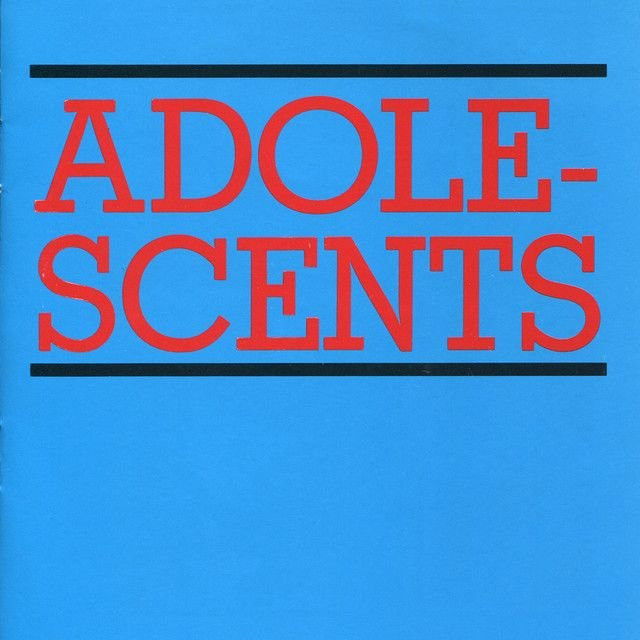
Creatures by Adolescents
The meaning of Creatures Adolescents starts with a voice full of rejection, envy, and rage. This is not a warm or noble song. Instead, it sounds like a speaker who feels pushed outside a social circle and answers that pain by attacking everyone in sight.
"Creatures" - Adolescents
I could care less about the queers - they're fucked
The chicks are hot and full of cheers - pleasers
Loading lyrics...
Unable to load lyrics
We're unable to display the lyrics at this time. Please try again later.
That ugliness is the point. Rather than asking listeners to admire the narrator, the song traps them inside a spiteful mindset. On the Adolescents’ 1981 debut, often called the Blue Album, that kind of emotional bluntness fit a Southern California hardcore scene built on speed, frustration, and outsider identity.
The Core Idea Hiding Under the Sneer
At its center, “Creatures” is about alienation becoming contempt. The narrator says they are not accepted by peers, then tries to turn that rejection into superiority. They insult classmates, mock social groups, and reduce other people to targets.
The key emotional move is simple: hurt gets converted into hate. When the speaker says not accepted by my peers
, they reveal the wound. But instead of sitting with that pain, they lash out and try to act above everyone else.
Interpretation: The song reads like a portrait of teenage bitterness in its most toxic form. It is less a thoughtful social critique than a snapshot of a bruised ego trying to protect itself through cruelty.
Watch the official Creatures
music video
A Narrator Who Wants Power Back
The first-person voice matters. The lyrics are not detached observations; they feel immediate, childish, and reactive. The insults come fast, which makes the song sound like someone talking themselves into anger.
That is why lines like they are lame
and tokens of my game
matter. The speaker acts as if other people are small and disposable. In plain terms, they are trying to reverse the power dynamic. If they cannot belong, they will pretend they never wanted to.
Interpretation: This is a defense mechanism. The narrator sounds insecure, not truly confident. Their meanness feels less like strength than panic.
Why the Chorus Hits So Hard
The chorus boils the whole song down to one dehumanizing idea: I hate them all
. Then it labels those people creatures
. That word matters because it strips away individuality. The crowd becomes a mass of things, not people.
In many punk songs, a repeated hook can feel like a rallying cry. Here, it feels narrower and darker. The repetition does not open anything up. It locks the speaker deeper into resentment.
I hate them all
creatures
That tiny refrain is enough to show the song’s emotional trap. The narrator believes hatred will make them feel strong, but it only makes their world smaller.
The Social World Behind the Song
Factually, “Creatures” was written by Rikk Agnew and appears as track 13 on the Adolescents’ self-titled 1981 debut, widely known as the Blue Album. It was also part of an earlier demo that helped the band gain attention before the album’s release. The album came out in April 1981, was recorded in March 1981 at Perspective Sound in Los Angeles, and was produced by Mike Patton of Middle Class. It became one of the best-selling California hardcore records of its era, selling over 10,000 copies.
Within that context, “Creatures” makes sense as part of an early Orange County punk worldview: us against them, youth against status, outsiders against social rules. But unlike some Adolescents songs that broaden personal frustration into scene identity, this one stays locked in personal disgust.
How the Sound Carries the Meaning
The Adolescents’ debut is often praised for blending hardcore urgency with catchy hooks and heavy guitar work. Retrospective coverage has highlighted the band’s strong riffs and the Agnew brothers’ guitar attack, which helped shape the Southern California punk sound.
That matters for “Creatures.” Even without complex imagery, the music gives the song force. The fast tempo, sharp guitars, and shouted delivery make the narrator’s anger feel immediate. There is little room for reflection. The arrangement pushes forward like a clenched jaw.
Because the track is under two minutes, it feels like an emotional flare-up rather than a developed argument. That short runtime helps the meaning. The song hits, spits venom, and leaves before any self-awareness can enter.
One Important Caution About the Lyrics
Some of the song’s language is offensive, including slurs and misogynistic phrasing. That should not be softened. At the same time, describing the song’s meaning is not the same as endorsing the speaker.
A useful comparison comes from comments singer Tony Cadena made about another early Adolescents song, “I Hate Children.” He said that song reflected ugly behavior he was witnessing, not a simple statement of belief. While he was not discussing “Creatures,” that history reminds listeners that punk lyrics often use hostile character voices, exaggeration, and snapshots of damaged thinking.
Interpretation: For “Creatures,” the safest reading is that the song dramatizes an embittered persona. The lyrics may reflect real scene anger, but they do not have to be read as a clean moral message from the whole band.
Final Reading of the Meaning of Creatures Adolescents
So, what is the meaning of Creatures Adolescents? It is a harsh portrait of social rejection curdling into hatred. The speaker feels excluded, then answers with contempt, sexual resentment, and dehumanization.
That makes “Creatures” uncomfortable, but also revealing. It captures a teenage voice at its most defensive and destructive, using punk’s speed and force to turn insecurity into attack. In the larger Adolescents catalog, it stands as a short, ugly burst of outsider rage rather than a unifying anthem.
Disclaimer: Song interpretation is partly subjective. This reading is based on the lyrics, the band’s early context, and available historical sources, but other listeners may hear the song differently.







