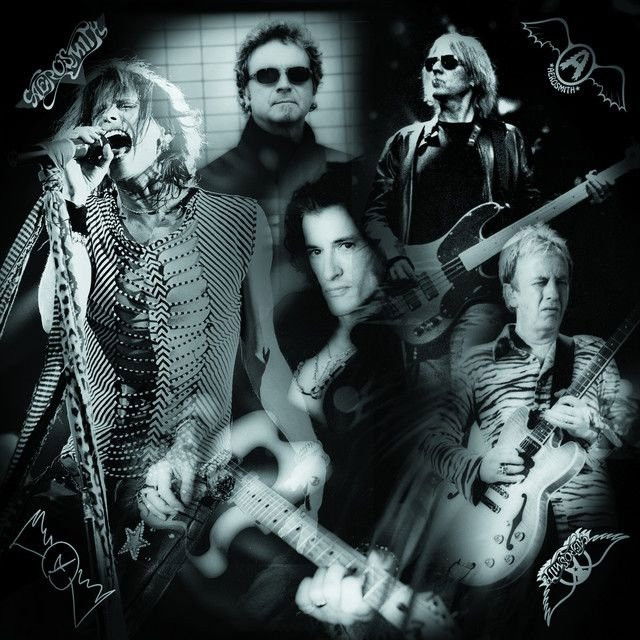
Back In the Saddle by Aerosmith
Why This Aerosmith Song Still Kicks Down the Door
The meaning of Back In the Saddle Aerosmith starts with one big idea: return. They frame the singer as someone who has come back stronger, louder, and more dangerous than before. But this is not a soft comeback story. It is a swaggering hard rock performance built from cowboy imagery, sexual boasting, and pure force.
"Back In the Saddle" - Aerosmith
I'm back in the saddle again
I'm back
Loading lyrics...
Unable to load lyrics
We're unable to display the lyrics at this time. Please try again later.
Released on Rocks in 1976 and issued as a single in 1977, the song became one of the band’s lasting signatures. According to Wikipedia, it peaked at No. 38 on the Billboard Hot 100, yet its reputation grew far beyond that chart spot. That matters because the song’s meaning is tied not just to its words, but to how it announced Aerosmith at full power.
Watch the official Back In the Saddle
music video
The Core Message Beneath the Cowboy Costume
On the surface, the song tells a simple story. A lone rider enters town, heads for the saloon, drinks, flirts, and takes charge of the room. The repeated hook, back in the saddle again
, makes that entrance feel like a declaration of restored power.
Under the surface, the song is about appetite and control. The cowboy setting gives the lyrics a mythic frame, but the subtext is sexual and aggressive. The singer is not just arriving in town. They are reclaiming status, showing off confidence, and turning desire into theater.
Interpretation: Many listeners hear the “saddle” as more than horse-riding gear. It can suggest sexual dominance and physical prowess. That reading fits the song’s bragging voice, though the Western image is strong enough to work on its own too.
How the Verses Build a Character
The opening scene places the narrator in motion, ridin' into town alone
, which gives them an outlaw aura. They are isolated, self-directed, and already in command of the story. The moonlit setting adds danger and drama.
Then the lyrics move into the saloon world. Phrases like caught my eye
and give me a wink
turn the encounter into a game of mutual provocation. The singer is not shy or uncertain. They present desire as something immediate, physical, and almost competitive.
A later boast, calling all the shots tonight
, makes the theme plain. This is a character who wants control over the room, the night, and every person in it. The song’s language is simple, but that simplicity is part of the effect. It sounds blunt because the persona is blunt.
What the Chorus Really Does
The chorus is short, repetitive, and unforgettable for a reason. It strips away detail and leaves only identity: they are back. Every verse feeds that claim, and every return to the hook turns it into a victory chant.
I'm back
I'm back in the saddle again
That tiny refrain works like a mission statement. Before or after the sexual jokes and cowboy poses, the song keeps returning to one point: the speaker has re-entered the arena and expects everyone to notice.
The Symbols: Horses, Guns, and Saloons
Aerosmith pack the song with old-West images, but those details are not random decoration. They support the fantasy of masculine freedom and danger.
A few of the main symbols are:
- The horse and saddle: movement, virility, and command.
- The saloon: temptation, public display, and competition.
- The pistol: threat, sexual charge, and macho theater.
- The moonlit ride: loneliness mixed with self-made legend.
When the singer says loaded gun
, the phrase works on two levels. It suggests literal Western danger, but it also points to pent-up energy and desire. That double meaning is one reason the song still feels so charged.
How the Sound Carries the Meaning
The music makes the song’s attitude impossible to miss. The main riff, written by Joe Perry on a Fender Bass VI, has a low, snarling sound that feels almost animal. The bass line from Tom Hamilton adds weight, while the drums and guitars build tension before the song fully breaks open.
The production matters too. The recording features a slow buildup, galloping-horse effects, whip-crack sounds, and Steven Tyler’s screams and yodel-like bursts near the end. Those details turn the song into a full performance of excess rather than a plain rock track. Wikipedia notes that the whip effect had to be created in the studio after attempts to record a real bullwhip failed.
That over-the-top sound is the point. They do not just tell listeners the singer is back; they stage the return like a noisy entrance through swinging doors.
Context, Reception, and a Bigger Meaning
Factually, the song was written by Steven Tyler and Joe Perry and produced by Jack Douglas with Aerosmith. It opened Rocks, an album often praised for its heavy, sharp-edged sound. Contemporary reviews noticed that force. Cash Box praised its “great bass line,” while Record World called it “a powerful follow-up” to “Walk This Way.”
Interpretation: Over time, the song also gained a second life as a comeback anthem. After Aerosmith reunited in 1984, the title naturally sounded like a statement about the band itself. Even if that was not the original meaning in 1976, the song’s language is broad enough to support that later reading.
Final Take on the Song’s Lasting Appeal
The meaning of Back In the Saddle Aerosmith is a mix of lust, bravado, and return. Its narrator is part cowboy, part rock-star caricature, and fully committed to commanding attention. The lyrics may be playful, but the energy is serious.
What keeps the song alive is how perfectly the sound and message match. The riff growls, the rhythm stomps, and the chorus plants its flag. Interpretation: listeners can hear it as sexual theater, a fantasy of dominance, or a wider comeback statement. That flexibility is part of why it still feels huge.
Disclaimer: This interpretation blends documented facts with critical reading. Song meanings can vary from listener to listener.








