Why AFI’s “Halloween” Feels So Joyfully Dark
AFI’s version of “Halloween” is short, loud, and instantly vivid. For listeners searching for the meaning of Halloween AFI, the key is simple: they are performing a song where Halloween is not just a holiday. It becomes a ritual space where childhood fun, danger, camp, and horror all live side by side.
"Halloween" - AFI
Bonfires burning bright
Pumpkin faces in the night
Loading lyrics...
Unable to load lyrics
We're unable to display the lyrics at this time. Please try again later.
The song itself was written by Glenn Danzig for the Misfits and first released as a 1981 single. AFI later covered it on their 1999 All Hallow’s EP. Factually, that makes AFI interpreters rather than the original authors, but their style helps explain why the song still lands so hard.
A Holiday Turned Into a Horror Mirror
At its core, the song presents Halloween as a night of extremes. It opens with familiar seasonal images like bonfires and pumpkins, then quickly twists them into something uglier and more threatening. That contrast is the whole point.
Instead of treating the holiday as harmless fun, the lyric keeps recalling it with the repeated idea I remember Halloween
. That phrase sounds almost nostalgic, but the memories are not warm. They are packed with grotesque scenes, as if childhood excitement and nightmare imagery have fused into one memory.
Interpretation: the song suggests that Halloween lets people enjoy fear from a safe distance. They can flirt with death, monsters, and taboo images because the holiday gives permission.
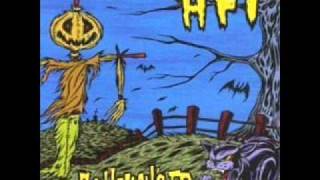
Watch the official Halloween
music video
Why the Lyrics Feel So Striking
The writing works because it piles innocent and sinister details together. A line about Pumpkin faces in the night
sounds playful at first. But around it, the song places ugly images of death, bodies, and danger.
That shift matters. It turns a normal October scene into a horror-punk postcard. Songfacts describes the Misfits original as a song about the dark side of Halloween, one that mixes camp and gore rather than pure realism. That framing fits AFI’s cover too, because they lean into the same blend of fun and menace.
One of the sharpest examples is the phrase Candy apples and razor blades
. It plays on the old fear that Halloween treats might hide violence. Whether listeners hear it as social panic, urban legend, or pure shock image, it captures the song’s message: even sweet traditions can carry dread.
The Refrain Works Like a Chant
The chorus is mostly the title repeated, and that simplicity is powerful. Rather than advancing the plot, the hook locks listeners into a mood.
Halloweeeeen
Halloween!
Because the title is stretched and shouted, it sounds less like description and more like invocation. The song is not calmly explaining the holiday; it is summoning it.
Interpretation: this is why the track feels larger than its tiny runtime. The repetition turns Halloween into a mythic event, not just a date on the calendar.
AFI’s Cover Adds Speed and Urgency
AFI recorded “Halloween” for All Hallow’s in 1999, a release that fit their darker punk identity at the time. Their take keeps the core melody and structure, but the performance has a cleaner, more aggressive punch than the early-1980s Misfits recording.
That matters for meaning. The Misfits version is raw and scrappy, which suits horror-punk’s DIY energy. AFI’s version feels tighter and more urgent, so the song becomes less like a grimy cult curio and more like a live-wire rush.
Davey Havok’s vocal delivery helps a lot here. They do not sing the words with emotional distance. They attack them. That choice makes the memories in the lyric feel immediate, as if the night is still happening.
Context From the Original Song Matters
Understanding the original helps explain why AFI chose it. The Misfits’ “Halloween” was written by Glenn Danzig and released as the band’s fifth single on October 31, 1981. It is widely associated with horror punk, a style the Misfits helped define through B-movie imagery, fast tempos, and theatrical violence.
The original release is also notable in Misfits history: it was one of the earliest records to use the band name “Misfits” without “The,” and it came during a lineup shift involving guitarist Doyle Wolfgang von Frankenstein. Those facts matter because the song sits at a key point in the band’s visual and musical identity.
AFI covering it in 1999 was not random fan service. It connected them to a lineage of punk bands that treat darkness as style, performance, and emotional release.
Symbols Hidden in Plain Sight
Several images repeat the same idea in different forms:
- Bonfires and pumpkins: public, traditional Halloween celebration
- Dead animals and bodies: horror pushed into cartoonish excess
- Razor-blade candy panic: fear invading childhood ritual
- The repeated memory frame: the night becoming legend
Another small but effective phrase is anything goes
. In plain language, it suggests a breakdown of limits. Halloween becomes the one night when rules loosen, masks come on, and hidden impulses step into the open.
Interpretation: the song may be less about literal violence than about freedom through horror imagery. They are exploring what happens when a culture gives itself permission to enjoy the forbidden for one night.
So What Is the Song Really Saying?
The meaning of Halloween AFI is not just “Halloween is scary.” It is that Halloween is thrilling because it mixes opposites: innocence and cruelty, costumes and corpses, childhood memory and adult menace.
AFI’s cover preserves that core idea while making it hit with extra force. Their version sounds like a celebration of horror aesthetics, but also a reminder that fear can be communal, catchy, and even joyful. That is why the song still works: it turns a familiar holiday into a loud, fast meditation on how people enjoy being scared.
Final Take Under the Mask
In factual terms, AFI are covering a Glenn Danzig-written Misfits classic. In interpretive terms, they are reviving a song that treats Halloween as a place where fantasy, fear, and punk attitude all meet.
That is what gives the track its staying power. It remembers Halloween not as a simple party, but as a beautiful little nightmare.
Disclaimer: This interpretation separates documented facts about the song’s release and authorship from critical reading of its imagery, themes, and emotional meaning.







