
Dorian by Agnes Obel
A fragile bond at the center
For listeners searching for the meaning of Dorian Agnes Obel, the clearest starting point comes from Agnes Obel herself. In a track-by-track interview about Aventine, she said the song is about an unspoken state between two people, a relationship that has reached a point of no return, where things may still look beautiful from the outside while inside they are decaying and unstable (The Line of Best Fit).
"Dorian" - Agnes Obel
So we both can pretend
It's written on the mountains
Loading lyrics...
Unable to load lyrics
We're unable to display the lyrics at this time. Please try again later.
That description unlocks the song. “Dorian” is less a plot song than a portrait of emotional suspension. It captures the strange period after damage has already happened, but before the bond is fully over. The speakers seem trapped in a private world, asking whether this connection can continue at all.
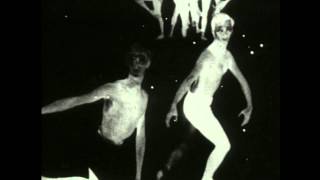
Watch the official Dorian
music video
The opening hides pain behind beauty
The first lines suggest secrecy and disguise. When the song says They won't know who we are
, it points to a relationship hidden from public view or hidden even from clear definition. The pair can “pretend,” which suggests performance rather than truth.
The image of something written on the mountains
gives the feeling of fate or permanence. Yet that big, timeless image clashes with the instability in the rest of the song. This tension matters: the relationship may feel destined, but lived experience says otherwise.
Interpretation: a private bubble
Obel described the relationship as a kind of bubble that outsiders cannot really see. That idea fits the opening perfectly. From far away, the bond looks noble, romantic, and almost carved into nature. Up close, it is harder to trust.
Verse images of collapse and repetition
The song then becomes darker and more surreal. The line about a voice speaking and people falling apart suggests a loss of control. The phrase the pieces broke
turns emotional damage into something physical. This is not a small argument. It feels like identity, trust, or shared meaning has shattered.
Then comes one of the song’s key images: the rugged wheel
. The wheel implies cycles. It keeps turning, whether the couple is healed or not. That makes the song feel trapped in repetition: the same hurt, the same return, the same unresolved motion.
This image also explains why the song sounds haunted rather than explosive. The pain is not sudden. It is recurring.
Why the chorus feels like a plea
The chorus centers on the name and a request: Dorian, carry on
. The speakers are not making a firm statement; they are pleading. They ask whether Dorian will come with them “to the end” and whether they will ever be allowed to continue.
That repeated asking is crucial to the meaning of Dorian Agnes Obel. The song is about uncertainty inside attachment. Someone still wants the bond to survive, but they no longer control whether it can. The chorus sounds almost ceremonial, but the emotion underneath is fear.
Dorian, carry on
Will you come along to the end?
Even in this small refrain, the language is not confident. “Will you” makes the whole song hinge on another person’s willingness to remain present.
Who is Dorian?
Obel said the name was chosen because she found it beautiful, and while Oscar Wilde’s Dorian Gray was somewhere in the back of her mind, the song was not deliberately about that character (The Line of Best Fit).
Still, listeners often hear echoes of The Picture of Dorian Gray, and that is understandable. Obel herself acknowledged that the association may have colored the song. A relationship that looks lovely on the surface but is “rotting” underneath naturally recalls Wilde’s split between outer beauty and inner decay.
Interpretation: symbol more than person
In this reading, Dorian may not be a literal character. The name can work as a symbol for charm, denial, or a bond sustained by appearances. That does not mean the Wilde link is the song’s official subject. It simply means the song invites that comparison.
The second verse deepens the unease
The later images make the relationship feel performative and exposed at the same time. The mention of children singled out for praise suggests innocence mixed with pressure. The phrase the straightest face
hints at holding a mask in place even while things go wrong.
A later line about a “sad-eyed woman” and a missed chance suggests regret. Something important was said too late, or not understood in time. The song’s emotional world is full of near-misses, stalled reactions, and meaning that slips away before anyone can hold it.
How the sound carries the song’s meaning
“Dorian” appears on Aventine, Obel’s 2013 second album, released on September 30, 2013 (Wikipedia). Obel is known for chamber pop and neo-classical textures, and she has said that on Aventine she recorded instruments and voice very closely in a small room to create intimacy while still building wide soundscapes (Wikipedia).
That production style matters here. The piano is restrained, the strings feel ghostly, and the vocal delivery is calm but uneasy. Nothing is oversized. Instead, the arrangement creates the feeling of standing inside a quiet room where tension has become the air itself.
This is why the song lands so deeply. It does not dramatize collapse with loudness. It lets small sonic details suggest emotional erosion. The result is intimate, elegant, and disturbing at once.
Artist context sharpens the reading
Obel, a Danish singer-songwriter based in Berlin, writes, records, and produces with unusual control over atmosphere (Wikipedia). Critics and profiles often stress how her music creates enclosed worlds, and that description fits “Dorian” especially well.
The song has also had a life beyond the album. It was used in Hanna, which makes sense because its mood blends beauty, secrecy, and danger (Wikipedia). Even outside the album context, listeners tend to hear it as emotionally cinematic.
The clearest takeaway
At its core, “Dorian” is about a relationship suspended between staying and ending. It is filled with secrecy, decay, repetition, and longing for what once felt whole. The speakers seem to know the bond is damaged, yet they still ask if it can continue.
That is the lasting power of the meaning of Dorian Agnes Obel: it captures how love can look beautiful from the outside while feeling unstable inside.
Disclaimer: This interpretation separates documented artist comments from critical reading. As Obel has suggested, listeners may hear the song differently, and that openness is part of its design.








