Why “Riverside” by Agnes Obel Feels Like a Ritual
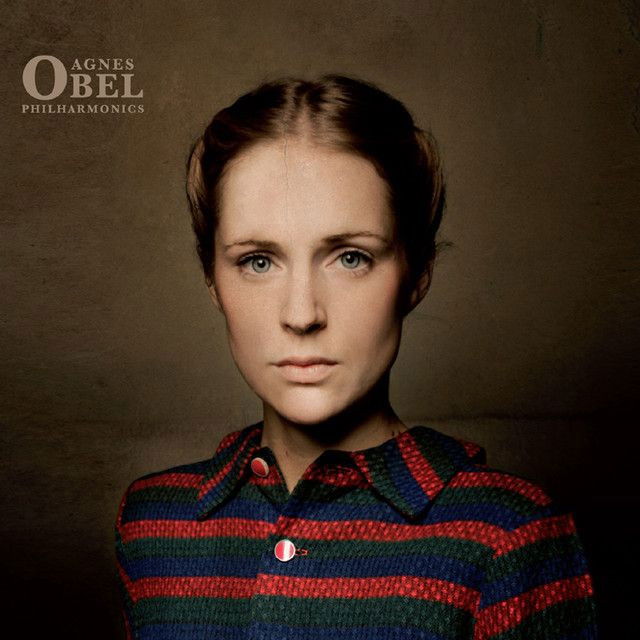
The meaning of Riverside Agnes Obel starts with a simple image: a river that pulls people away from ordinary life and into a private, uneasy kind of truth. Agnes Obel, the Danish singer-songwriter and pianist, released “Riverside” on her debut album Philharmonics, a record that helped introduce their intimate, chamber-folk style to a wide audience. Factually, Obel wrote the song, and it became one of the best-known tracks associated with that early era of their work.
"Riverside" - Agnes Obel
Where everybody goes to be alone
Where you won't see any rising sun
Loading lyrics...
Unable to load lyrics
We're unable to display the lyrics at this time. Please try again later.
More importantly, the song feels less like a story with a fixed plot and more like a repeated return to a place of reckoning. The river is not just scenery. It acts like memory, temptation, cleansing, and danger at the same time.
Where the Song’s Core Meaning Lives
At its heart, “Riverside” seems to describe a person drawn to a place where hidden feelings rise up. Early lines place them down by the river
, away from crowds and daylight, which suggests retreat rather than escape in a joyful sense. They go there because the riverside offers solitude, but that solitude is intense.
Interpretation: The song may be about confronting pain that everyday life keeps covered. The river becomes a space where emotional damage is visible. When the chorus speaks of seeing how everything is torn
, it turns the setting into a mirror of inner fracture.
That is why the song feels spiritual without clearly being religious. It uses the language of washing, seeing, and surrender, but leaves the final meaning open.

Watch the official Riverside
music video
A River That Invites and Threatens
One of the most striking things in the lyrics is how the water offers both comfort and risk. The song invites someone to float away
, which sounds peaceful on the surface. But in context, that phrase also hints at losing control, surrendering identity, or giving up resistance.
This double meaning matters. The riverside is a place where they can be cleaned of what the song calls dirt, but it is also where they may be overwhelmed. That tension gives the song its emotional charge.
The Pull of Solitude
The opening frames the river as a place to be alone
. That is not presented as a simple luxury. Instead, it feels necessary, almost compulsive. Later, the speaker wonders why they return there alone, which adds a note of self-questioning.
Interpretation: They may know the place hurts them, yet they still need what it reveals.
Who Is Speaking in “Riverside”?
The voice shifts in interesting ways. Sometimes it uses “we,” as if two people share this journey. At other moments, it addresses “you,” almost like guidance or warning. Then it falls back into “I,” especially when the emotional center deepens.
That movement suggests unstable closeness. The song may involve two people, but it may also split one person into observer and sufferer. In other words, the speaker could be talking to a companion, or to a part of themselves.
This is one reason the lyrics feel dreamlike. They do not lock into one relationship. Instead, they circle around emotional states: intimacy, distance, fear, and recognition.
The Most Important Symbols in the Lyrics
The imagery in “Riverside” is plain on the surface, but loaded underneath. A few symbols carry most of the song’s meaning:
- The river: movement, memory, emotional depth, and forces bigger than the self
- Stones: heaviness, numbness, and sinking rather than healing
- Borders: limits, thresholds, and the edge between safety and exposure
- Eyes and ears: perception, awakening, and difficult knowledge
When the speaker says they fall just like a stone
, the image breaks from any romantic picture of nature. This is not graceful surrender. It feels cold, heavy, and bodily.
Oh my god
everything is torn
in the river deep
Even in this brief moment, the chorus does a lot. It links revelation with damage. The speaker sees clearly, but what they see is rupture.
How the Sound Deepens the Meaning
Part of the meaning of Riverside Agnes Obel comes from its arrangement as much as its words. Obel’s music is known for piano-led compositions, restrained vocals, and a carefully hushed atmosphere. In “Riverside,” the steady pulse and layered harmonies make the song feel circular, like thought returning to the same wound.
The instrumentation is delicate, but not fragile. Piano gives the track shape, while the vocal layering creates a ghostly sense of distance. Instead of building toward a dramatic explosion, the song holds itself back. That restraint makes the emotion feel more credible and more haunting.
Interpretation: The production mirrors the lyric’s emotional logic. Rather than fighting the current, the arrangement drifts with it.
Two Strong Ways to Read the Song
There is no single official key that unlocks every line, but two readings fit the text well.
Reading One: A Song About Depression or Grief
In this reading, the river represents a repeated descent into sorrow. The speaker returns to a familiar low place, sees damage everywhere, and cannot fully explain why they go back. The coldness, isolation, and sinking imagery support this idea.
Reading Two: A Song About Purging the Self
Another reading hears the riverside as a place of cleansing. The water washes away what ordinary life leaves behind. But the process is painful. To be changed, they must first face what is broken.
Both interpretations can exist together. That overlap is part of what makes the song linger.
Why “Riverside” Still Connects
“Riverside” endures because it never overexplains itself. It trusts mood, repetition, and symbol. Many listeners recognize the feeling of being pulled toward a place, thought, or memory that unsettles them but also tells the truth.
In that sense, the song is about more than a riverbank. It is about the private landscapes people revisit when they need to confront themselves.
Final Thought
The meaning of Riverside Agnes Obel is best understood as a meditation on solitude, surrender, and painful clarity. Interpretation: its river is both refuge and threat, a place where the self can be washed clean or pulled under. That ambiguity is likely why the song still feels so powerful.
Disclaimer: This interpretation is based on the released lyrics, performance, and widely known artist context. Like many poetic songs, “Riverside” can support more than one valid reading.









