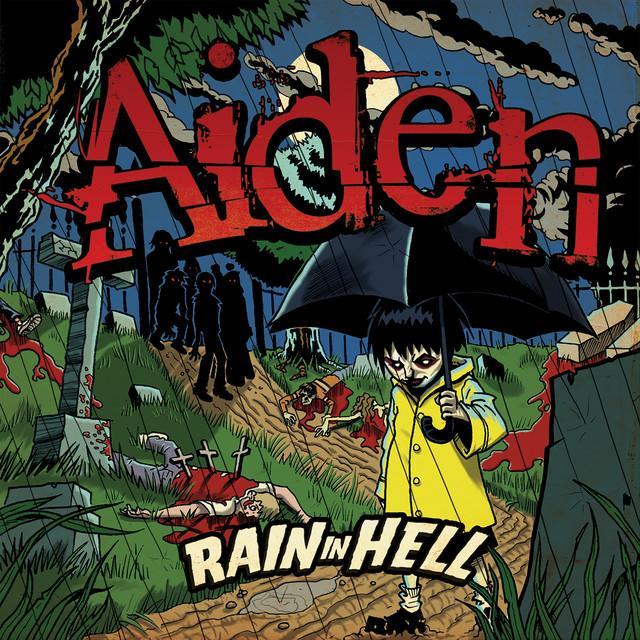
What "We Sleep Forever" by Aiden Really Means
The meaning of We Sleep Forever Aiden starts with intensity. This is not a subtle song. It throws the listener into a world of guilt, violence, longing, and emotional collapse almost immediately. Aiden built their reputation on mixing post-hardcore energy with goth and horror imagery, and this track is one of their clearest examples of that style.
"We Sleep Forever" - Aiden
I say she's all alone begging for forgiveness
I won't teach her to lie or make a plan
Loading lyrics...
Unable to load lyrics
We're unable to display the lyrics at this time. Please try again later.
Rather than sounding calm or reflective, the song feels like a crisis unfolding in real time. Its images are extreme, but the emotions underneath them are familiar: shame, desperation, and the wish to escape pain. That is the key to reading it.
A Dark Story About Escape, Not Peace
At its core, the song appears to dramatize a mind in breakdown. The speaker describes someone near death, then shifts into shared language that turns private pain into a bond. Phrases like all alone
and fighting for redemption
frame the song around isolation and guilt.
Interpretation: the track is less about a clear plot than about the emotional logic of self-destruction. The characters seem caught between wanting forgiveness and wanting release. When the song reaches we'll sleep forever
, that line sounds less like comfort than surrender.
That matters because the title image of sleep usually suggests rest. Here, Aiden twists it into something colder and more final. Sleep becomes an escape hatch from suffering, not a healing process.

Watch the official We Sleep Forever
music video
The Voice Feels Split Between “She” and “We”
One of the most striking things in the lyrics is how the point of view moves. The song starts by describing she walks the line
, which makes it seem like the speaker is watching someone else spiral. But soon the lines move closer to shared pain, especially in the chorus and ending.
That shift creates two possible readings:
- The speaker is addressing another person in crisis.
- The speaker is projecting their own pain onto another figure.
Interpretation: the second reading is especially strong because the song keeps collapsing distance between observer and victim. The “she” in the verses may be a real person, but she can also work as a mirror image of the narrator’s inner state.
That blurred identity gives the song its haunted feeling. It is never fully clear who is rescuing whom, or whether rescue is even possible.
Why the Chorus Sounds Like a Ritual
The chorus is built on repetition, and repetition is part of the meaning. When they repeat call the angels
, the line feels like a plea, but also like a performance of doom. Angels usually suggest salvation. Here they sound like witnesses arriving too late.
The line about the blade is especially important because it turns pain into destiny. Instead of describing injury as accidental, the lyric frames it as if suffering was always waiting. That fatalism gives the chorus its emotional weight.
Interpretation: the refrain is not really asking for help in a hopeful way. It sounds more like they have crossed a line and are narrating the fall. The repeated hook traps the listener in the same cycle as the speaker.
Horror Imagery Hides Emotional Wounds in Plain Sight
Aiden often used theatrical, goth-leaning imagery, and this song is full of it. Razors, ghosts, angels, skin, and deathbeds all create a horror-movie surface. But those symbols point back to emotional pain.
Here is how the main images work:
- Angels suggest judgment, rescue, or death.
- Ghosts imply memory, trauma, or a self that is already fading.
- Skin and veins make inner pain visible on the outside.
- Sleep becomes a symbol for permanent escape.
The ghost image matters a lot. When the speaker says they feel or see an apparition, the song enters a space between life and death, memory and hallucination. That gives the final section a dissociated feeling, as if the mind is slipping away from the body.
The Sound Makes the Lyrics Hit Harder
Aiden are widely associated with post-hardcore, punk, and horror-punk influences, a sound profile reflected in coverage and band history from sources like AllMusic and Discogs. That context helps explain why “We Sleep Forever” sounds so overwhelming.
The guitars push forward with urgency, while the drums give the track a relentless drive. Instead of softening the lyrics, the arrangement amplifies them. The vocal delivery matters too: they do not sound detached. They sound cornered.
This is why the song connects even with listeners who do not take every line literally. The production turns emotional pain into physical pressure. The listener does not just hear despair; they feel boxed in by it.
A Snapshot of Mid-2000s Scene Writing
The song was written by Angel Dejesus Ibarra, Jacob Samuel Davison, Nicholas Alexander Wiggins, and William Roy Francis. Those credits show the song as a band-built statement rather than a purely solitary confession.
It also fits a wider mid-2000s scene style, where bands used melodrama, religious imagery, and self-destructive language to express alienation. In that setting, the song’s extreme language is part of a larger artistic vocabulary. It is designed to externalize feelings that are hard to say plainly.
That does not make the emotions fake. It means the band chose exaggeration as a way to make despair visible.
The Last Line Leaves the Song in the Dark
By the end, the song does not offer recovery. It offers closure of a grim kind. The repeated promise to stay together through the night sounds intimate, but it is intimacy inside collapse.
Interpretation: the meaning of We Sleep Forever Aiden is ultimately about the seduction of giving up. It captures the moment when pain starts to sound like peace. That is why the song still feels unsettling: it knows how dangerous that confusion can be.
For listeners, the power of the track lies in that tension. It is dramatic and stylized, yet emotionally direct.
Disclaimer: This interpretation is based on the released lyrics, the band’s known style, and musical context. As with many songs, different listeners may reasonably hear different meanings.








