Why “I Should’ve Known” Still Stings
The meaning of I Should've Known Aimee Mann comes down to a painful truth: the speaker sees a failed relationship with new clarity, but only after the damage is done. This is a song about betrayal, missed warning signs, and the way hindsight can feel both useful and cruel.
"I Should've Known" - Aimee Mann
No one could kill it off until you bled it
But I got rid of that ghost
Loading lyrics...
Unable to load lyrics
We're unable to display the lyrics at this time. Please try again later.
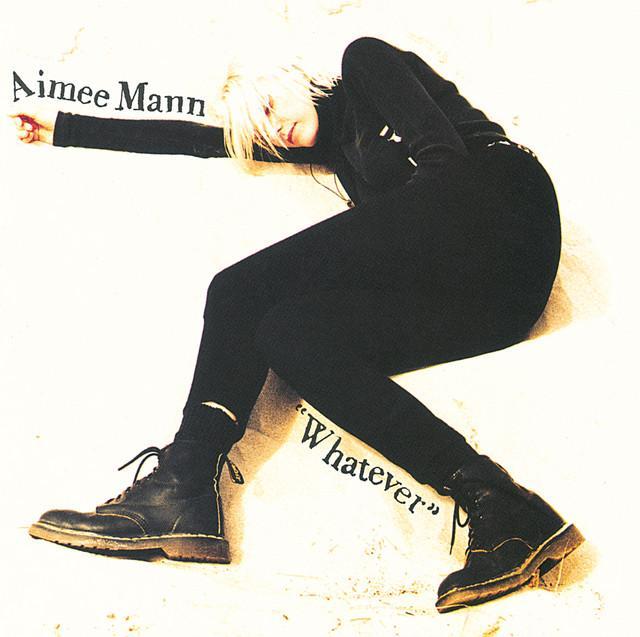
Aimee Mann wrote the song, and it opens her debut solo album Whatever, released May 11, 1993, with Jon Brion shaping much of the album’s sound as producer and collaborator, according to PopMatters. That context matters because Whatever is often praised for its mature writing about messy adult relationships rather than simple breakup drama.
A breakup song with blame pointed both ways
At first glance, the song sounds like a direct address to someone who caused harm. The speaker says they were betrayed and manipulated, and the chorus circles back to the line I should have known
. But the song is stronger than a simple accusation.
They are not only blaming the other person. They are also blaming themselves for ignoring the evidence. That is what gives the song its sting. The betrayal hurts, but the self-reproach may hurt even more.
Interpretation: Mann seems less interested in revenge than in emotional reckoning. The speaker is trying to sort out how much of the pain came from the other person’s actions and how much came from their own willingness to believe in something shaky.

Watch the official I Should've Known
music video
How the verses track denial turning into clarity
The first verse suggests the relationship left behind a lingering emotional aftereffect, almost like a haunting. When the speaker refers to a ghost
and to habits that remain, they imply that even after leaving, the past still lives inside them.
Then the song points outward again. The line about the other person having fed that darkness suggests that this was not a mutual drift apart. The speaker believes the damage was encouraged, maybe even cultivated.
That tension continues in the second verse. The song contrasts old intimacy with present distance. The memory of staying up and watching the other person sleep suggests tenderness, but it is placed next to emotional injury. That contrast is key to the meaning of I Should've Known Aimee Mann: love and harm are tangled together, which is exactly why the warning signs were easy to miss.
The chorus is hindsight as punishment
The chorus works because it is so plain. You would betray me
is blunt, but Mann complicates it with the phrase without the kiss
. That twist matters. It suggests betrayal without romance, betrayal without even the drama that usually comes with it.
This is not glamorous heartbreak. It is colder than that. The speaker feels set up, fooled, and left to connect the dots after the fact.
Why repetition matters here
Every return to I should have known
sounds like a new sentence, but it also sounds like a sentence being served. Repetition turns hindsight into punishment. Instead of offering closure, realization keeps reopening the wound.
Cracks, dust, and a house built on bad faith
The song’s strongest writing may be in its images of physical decay. The speaker says they should have seen the cracks in the ceiling
and the neglected mirror. These are ordinary details, but they carry emotional weight.
Interpretation: The house stands for the relationship itself. It looked livable, maybe even promising, but signs of collapse were already visible. The speaker admits they ignored those signs because they were invested in the idea that this home was built for us
.
That is one of the saddest ideas in the song. People do not just miss red flags because they are careless. They miss them because they are busy imagining a future.
I shoulda seen the obstacles
But I said this house was built for us
Hello
Is anybody home
This is the song’s emotional center. The speaker recognizes their own denial, then ends on a line that sounds both literal and existential. They are asking whether the relationship ever had real life in it at all.
Why the sound makes the message sharper
Critics have described “I Should’ve Known” as the AOR-flavored opener to Whatever, and PopMatters notes how Jon Brion’s production helped define the album’s character. Brion’s broader work on the record mixes polished pop-rock structure with delicate texture, while Mann’s writing stays conversational and precise.
That balance suits this song. The arrangement gives the emotion shape instead of letting it spill everywhere. The music feels controlled, which makes the regret feel more believable. This is not a meltdown. It is a smart person replaying a bad decision in real time.
Research on the Whatever era also shows Brion as a central musical partner, with a detailed instrumental approach across the album’s sessions, as summarized in Wikipedia’s overview of the period. That kind of carefully built backdrop fits a lyric full of observation and delayed understanding.
The larger Aimee Mann context
Part of what makes the song last is that it fits Mann’s larger reputation as a writer of adult emotional nuance. PopMatters argues that Whatever helped establish her as a mature singer-songwriter after her 'Til Tuesday years.
That framing helps explain why this song still connects. It does not treat heartbreak as a grand spectacle. It treats it as a pattern of small recognitions: the missed clue, the wrong assumption, the moment when private hope meets public ruin.
The final meaning
So, what is the meaning of I Should've Known Aimee Mann? It is about the shame that can follow betrayal when someone realizes they helped keep the illusion alive. The song says heartbreak is not always about one shocking event. Sometimes it is about slowly understanding that the collapse had already begun.
That is why the song feels so human. It captures the moment when anger at another person turns inward and becomes a harder question: why did they believe this could hold?
Interpretation disclaimer: song meanings are not fixed. This reading is based on the lyrics, the album context, and reported commentary on Aimee Mann’s early solo work.








