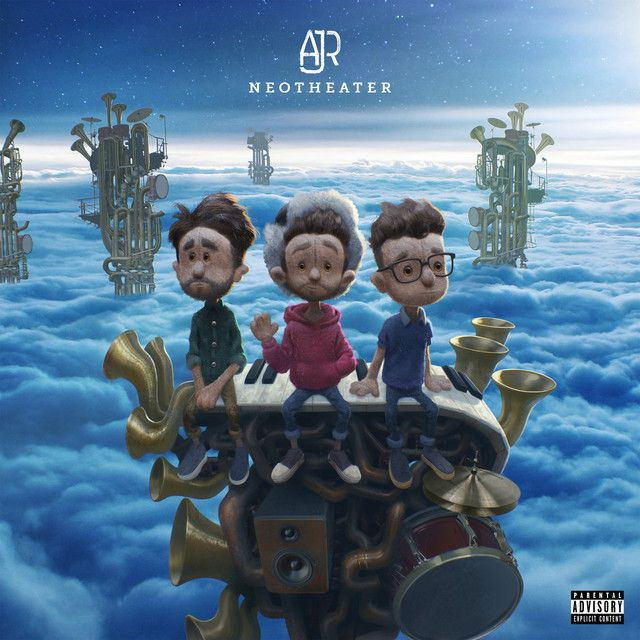
Beats by AJR
When Success Starts to Feel Like a Sales Pitch
The meaning of Beats AJR centers on a fear that success can quietly turn art into advertising. In the song, they do not celebrate getting bigger just because it feels good. Instead, they ask what that growth costs.
"Beats" - AJR
Yeah it's so strange to have a bit of success
Now our song plays in the produce aisle
Loading lyrics...
Unable to load lyrics
We're unable to display the lyrics at this time. Please try again later.
The opening frames that tension with everyday signs of minor fame. People laugh more, and the band hears their music in a grocery store, summed up by the image of the produce aisle
. That detail matters because it sounds ordinary, even a little silly. Their success is real, but it is not glamorous enough to feel stable.
Just as quickly, the song turns anxious. They imagine the audience forgetting them and asking who the hell is that?
That jump from recognition to erasure captures the song’s real emotional core: fame feels temporary, and temporary fame can make artists consider compromises they once mocked.
Watch the official Beats
music video
A Pop Song About the Price of Staying Visible
The hook is a joke with teeth
The chorus keeps circling one question: would a brand pay them to praise a product? On the surface, it is funny and blunt. But below that, it is a moral test.
They ask whether Beats by Dre
could cover the cost of the song itself. In plain terms, they are wondering if sponsorship would solve a practical problem while creating a deeper artistic one. The hook sounds repetitive on purpose, almost like an ad slogan that gets stuck in the brain.
That repetition makes the listener feel the trap. The more the line returns, the more the song itself starts to resemble the kind of branded content it is worried about becoming.
The Verses Show Fame as Unstable, Not Triumphant
One of the smartest parts of the song is how small the details are. They do not describe superstar luxury. They describe uncertainty.
When they say they have a bit of success
, the phrase is modest, almost defensive. They are not acting like they conquered pop music. They sound surprised that anything worked at all.
Then the song asks if they should make famous friends and spread themselves into other fields. Later, they wonder if they should put eggs in more baskets
. That image turns career planning into survival strategy. They are not dreaming about empire-building because they are greedy; they are reacting to a world where attention disappears fast.
Interpretation: this is why the song feels more nervous than cynical. They are not just mocking sellouts. They are showing how the industry nudges artists toward becoming brands themselves.
The Sharpest Line Comes at the End
The final turn gives the song its sting. After spending most of the track joking about sponsorship, they admit that the celebrities they used to criticize were probably paid too. Then comes the self-check: Am I the same?
That question transforms the whole song. Until then, the listener might hear it as satire aimed outward at pop culture and marketing. The ending points the satire inward.
And every star
I used to mock
Was probably paid
Am I the same?
This is the one moment where the song stops sounding playful and starts sounding exposed. They realize that once money, visibility, and survival enter the picture, purity becomes harder to defend.
How AJR’s Style Helps Sell the Idea
“Beats” appears on AJR’s 2019 album Neotheater, where it is listed as track nine, according to the AJR Wiki entry for the song. That album often deals with growing up, ambition, and the weirdness of public life, so this track fits the larger project.
Production-wise, the song is bright, punchy, and mechanical. That matters. AJR often use polished pop textures, stacked vocals, and tight rhythmic loops, and here that approach mirrors the theme. The instrumental feels catchy enough to be commercial while the lyrics question commercialization.
There is also something intentionally artificial in the song’s structure. The chorus repeats so much that it begins to sound like targeted messaging. That is not a flaw. It is the point. The production lets them imitate the pressure of modern branding from inside a pop song.
Why the grocery-store image matters
The line about store playback is one of the song’s best touches because it strips fame of romance. Hearing a song while shopping means the band has entered mainstream space, but not in a heroic way. Their music becomes background noise.
That detail supports the meaning of Beats AJR: success can validate artists while also flattening them into content, ambience, or product.
Two Strong Readings of the Song
Reading one: a satire of sponsorship culture
This is the most direct reading. The song mocks how artists, influencers, and celebrities get pulled into product placement. The joke is that everyone knows how this works, but they still do it.
Reading two: a confession about insecurity
Interpretation: the deeper reading is personal. The song is less about one headphone brand than about panic. If popularity might vanish tomorrow, then every compromise starts to look reasonable. In that light, the brand name is a symbol of any shortcut that promises stability.
Why “Beats” Still Connects
A lot of songs about fame talk from the mountaintop. “Beats” talks from the middle, when recognition has arrived but permanence has not. That makes it relatable far beyond music. Anyone who has felt pressure to monetize their identity can hear themselves in it.
The song does not offer a clean answer. It leaves them in the uncomfortable space between principle and survival, laughing at the machine while wondering if they are already inside it.
That unresolved tension is what gives the track its staying power. Interpretation: they are not asking whether money is evil. They are asking what happens when art starts to measure itself by market value first.
Disclaimer: This article offers an interpretation based on the lyrics, AJR’s released context, and the song’s production choices. Meaning can vary from listener to listener.









