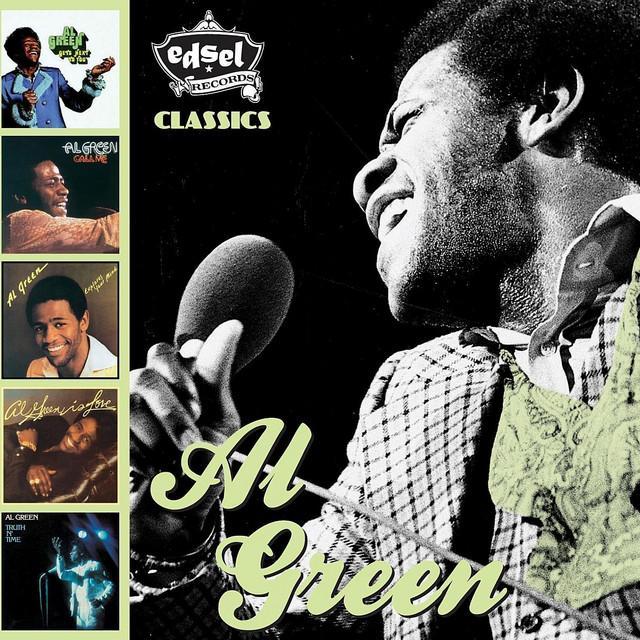
Why Al Green’s ‘You Ought To Be With Me’ Still Glows
The Heart of the Song
For anyone searching for the meaning of You Ought To Be With Me Al Green, the core idea is simple: this is a love plea that sounds tender, confident, and slightly wounded at the same time. The speaker is not just flirting. They are making a case that two people belong together, even while outside voices and romantic uncertainty get in the way.
"You Ought To Be With Me" - Al Green
About how you want to be
You ought to be with me
Loading lyrics...
Unable to load lyrics
We're unable to display the lyrics at this time. Please try again later.
Released in 1972 on Call Me, the song became one of Al Green’s biggest crossover hits, reaching No. 3 on the Billboard Hot 100 and No. 1 on the Hot Soul Singles chart, with more than a million copies sold and a gold certification. Those facts matter because they show how strongly its emotional message connected with listeners across audiences.Wikipedia

Watch the official You Ought To Be With Me
music video
A Romance Framed as a Conversation
One of the smartest parts of the lyric is how direct it feels. The song opens like a private talk, using the short phrase Sit right down and talk to me
. Before the singer makes any grand promise, they ask for honesty. That gives the song a calm intimacy instead of turning it into a dramatic argument.
From there, the message becomes firmer: You ought to be with me
. In plain language, the speaker believes the relationship makes emotional sense, even if it has not happened yet. They are not describing a fantasy from far away; they are trying to persuade someone standing right in front of them.
What the Conflict Seems to Be
The obstacle is not only the other person’s hesitation. The lyric also hints at social pressure and gossip. When the singer mentions what people do
and pushes back against what others say, the song suggests a couple under observation. That gives the track a subtle “us against the world” feeling.
Interpretation: This conflict may reflect a common soul-music theme from the era: private love challenged by public judgment. The singer sounds frustrated, but never cruel. Their goal is closeness, not revenge.
Desire, Patience, and a Limit
A key strength of the song is that it mixes devotion with boundaries. The speaker is patient, but not endlessly passive. They say, in effect, that if the other person only wants friendship, they should be honest and walk away instead of dragging things out.
That is why lines around wasted time matter so much. The singer is loving, but they also want clarity. This keeps the song from becoming just soft pleading. It has self-respect in it.
The emotional center deepens later when the singer imagines the person with some other guy
. That moment adds jealousy and pain, but the wording stays sad rather than explosive. The song does not become possessive in a harsh way; it becomes vulnerable.
You ought to be with me
until I die
This brief vow is the song at its most intense. It turns a romantic wish into a lifelong claim. In paraphrase, the speaker is saying this is not a passing attraction. They see this bond as permanent.
How the Chorus Changes the Meaning
The chorus works because it repeats the title line without making it feel empty. Each time You ought to be with me
returns, it carries slightly different weight. Early on, it sounds like flirtation. Later, it sounds like conviction. By the end, it borders on destiny.
Interpretation: That shift is the real drama of the song. The plot does not change much, but the emotional pressure does. Repetition becomes persuasion.
The Sound Says as Much as the Words
Part of the meaning comes from the arrangement. Al Green co-wrote the song with Al Jackson Jr. and Willie Mitchell, and Mitchell co-produced it with Green.Wikipedia That team was central to the Hi Records sound: soft grooves, elegant horns, gentle rhythm, and space for Green’s voice to move from whisper to cry.
In this track, the band never rushes. The tempo is easy, but not sleepy. That matters because the singer is making a serious emotional case, yet the music stays warm and inviting. The groove says, “Come closer,” even when the lyric expresses doubt.
Green’s vocal performance is especially important. He slides between sweetness and strain, which mirrors the song’s themes. They sound persuasive one moment, aching the next. That mix is why the song feels lived-in rather than polished to the point of stiffness.
Al Green’s Persona and Why It Fits
By 1972, Al Green had become one of soul music’s defining voices. Call Me also produced other major singles, including “Here I Am (Come and Take Me)” and “Call Me (Come Back Home),” helping confirm his run as a hitmaker.Songfacts His style often balanced sensuality with sincerity, and this song sits right in that sweet spot.
That context helps explain why audiences embraced it. Green did not sing romantic songs like distant fantasies. They often sounded like real-time conversations between adults who wanted love but knew love could get messy.
Why the Song Lasted
The song’s staying power comes from its blend of confidence and need. It is romantic without sounding fake. It is vulnerable without sounding weak. It asks for commitment, but it also admits fear.
Its afterlife supports that reading. The song later appeared in the film Love Jones and has been sampled by artists including Pete Rock and Ghostface Killah, showing how its mood and melody continued to resonate beyond the early 1970s.Songfacts
Final Reading: A Soft-Spoken Love Argument
In the end, the meaning of You Ought To Be With Me Al Green is about more than wanting someone back or wanting them nearby. It is about trying to turn private certainty into shared certainty. The singer believes love is obvious, even if the other person does not fully accept it yet.
That is why the song still feels powerful. It captures a familiar human moment: when someone is sure about the relationship, but still has to convince the person they want.
Disclaimer: This interpretation is based on the released lyrics, performance, and documented song context. Meaning can remain personal, and different listeners may hear it differently.







